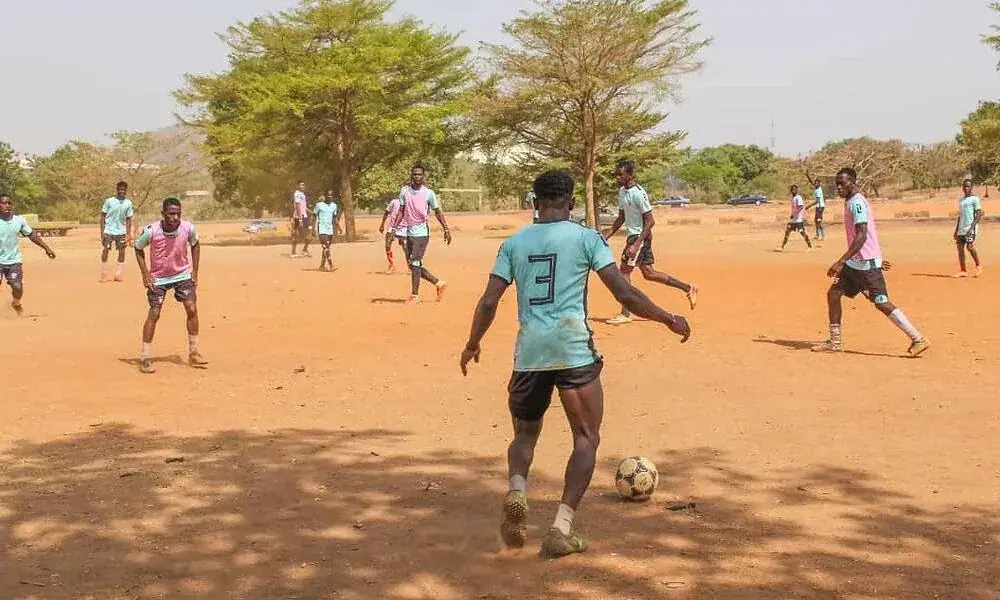
Nigeria continues to produce young footballers capable of competing at the highest level, but the journey from local pitches to professional football remains challenging. Talented youngsters pursue their dreams through local academies, school competitions, and community tournaments. However, inadequate facilities, limited funding, weak scouting structures, and a lack of consistent development opportunities create obstacles between raw talent and professional careers.
Nigeria's football reputation is built on producing technically gifted and physically talented players. Young footballers emerge across the country, often beginning their journeys on school grounds, community pitches, and playing fields with limited access to professional coaching and equipment. Felix Awogu, General Manager of SuperSport West Africa, noted in August 2026 that Nigeria's football challenges extend beyond results, citing weaknesses in talent discovery, player management, and development structures.
Grassroots academies play a crucial role in identifying young players and introducing them to structured training. Local academies provide aspiring footballers with their first opportunity to receive regular coaching, participate in organised competitions, and learn the game's technical and tactical aspects. However, operating an academy requires resources that many grassroots coaches and organisers struggle to secure, including training equipment, football kits, transportation, and pitch rentals.
Lekan Akinde, assistant coach of Phantom Eleven Football Academy in Lekki, identified funding as a major challenge facing grassroots football in Nigeria. Akinde stressed that young players need consistent training, proper guidance, and opportunities to demonstrate their abilities. He also highlighted the difficulties academies face in providing facilities, competitive matches, and access to credible scouting networks.
Poor facilities continue to limit the development of young Nigerian footballers. Many aspiring players train on pitches that lack proper maintenance, while some schools struggle to provide functional sports facilities. A Guardian report published in April 2026 highlighted the difficulties facing young athletes who train in environments affected by poor facilities, overcrowded pitches, and limited support.
The experience of grassroots academies demonstrates that talent development requires more than enthusiasm; it demands sustained investment, qualified coaches, and a stable environment where young players can improve. Programmes like IKON Allah Football Academy's scouting tournament in Abuja aim to connect grassroots players with scouts and professional opportunities, showcasing emerging players to foreign clubs.
Despite these challenges, some success stories exist, such as Zadok Yohanna, who was identified by IKON Allah Football Academy before moving to Brighton. Such cases highlight the potential for organised scouting opportunities to connect local talent with clubs beyond their immediate communities. However, isolated tournaments cannot replace a comprehensive development system; young players need consistent support to develop their technical skills, tactical awareness, and physical conditioning.
Key points
- Inadequate facilities and limited funding hinder the development of young Nigerian footballers.
- Weak scouting structures and lack of consistent development opportunities create obstacles for aspiring players.
- Nigeria's football talent pipeline requires a comprehensive development system to support young players.