The Federal Government of Nigeria and the Central Bank of Nigeria (CBN) have formally committed to closer coordination on inflation, borrowing, liquidity, and foreign exchange management. This move aims to address the country's economic challenges, including high inflation and public debt. The coordination will cover government cash management, debt issuance planning, liquidity forecasting, macroeconomic analysis, and periodic consultations.
Nigeria's economic history has been marked by the government and the CBN often working at cross purposes. While the CBN has tightened liquidity and raised interest rates to contain inflation, the fiscal authorities have continued to spend and borrow to finance widening budget deficits. This has led to increased inflation, borrowing costs, and challenges for businesses. The new Memorandum of Understanding (MoU) seeks to change this dynamic.
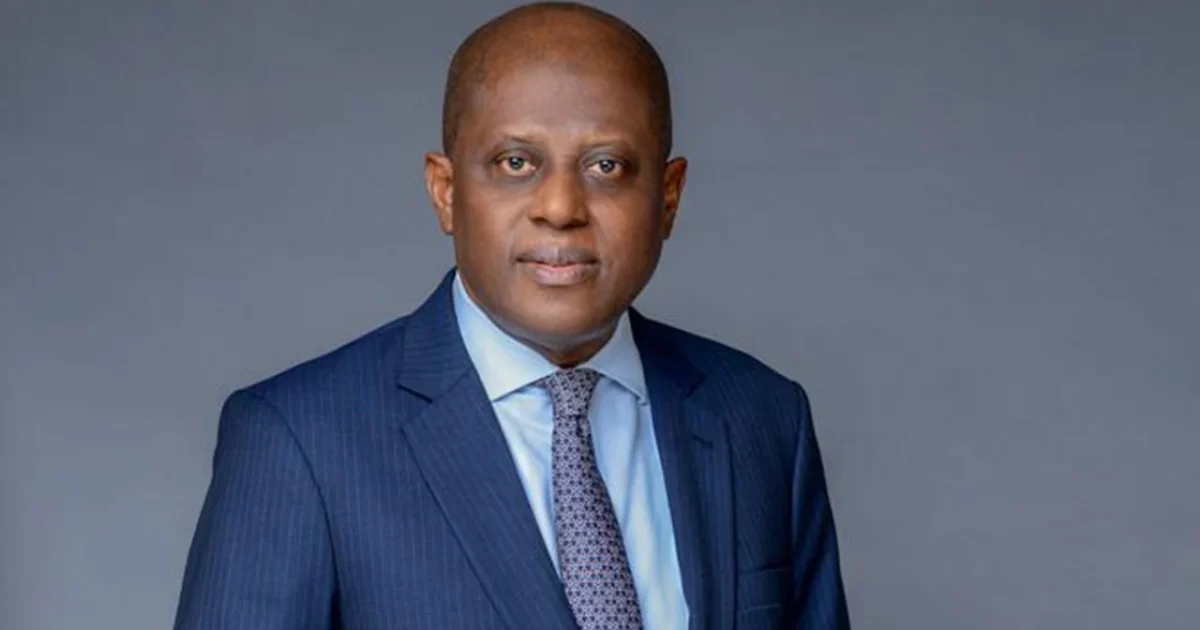
The agreement was signed on September 18, 2026, by the Federal Ministry of Finance and the CBN. CBN Governor, Olayemi Cardoso, believes that greater coordination will help tackle economic challenges. He stated that the MoU provides a structured framework for regular consultation, information exchange, and policy coordination. This, he hopes, will transform decades of informal cooperation into an institutional arrangement.
Nigeria's economic numbers indicate a demanding test for the new arrangement. Headline inflation stood at 15.39% in August 2026, while public debt had reached N159.35 trillion by March. The benchmark interest rate remained at 26.5% in July. However, the economy is growing again, with real Gross Domestic Product (GDP) expanding by 4.43% in the second quarter of 2026.
The International Monetary Fund (IMF) has urged Nigeria and other leading African economies to intensify fiscal, monetary, and governance reforms to strengthen economic stability and promote broader-based growth. According to the IMF, fiscal reform remains a major priority for Nigeria, requiring further improvements in tax policy, revenue collection, public financial management, and the efficiency of government spending.
Minister of Finance and Coordinating Minister of the Economy, Taiwo Oyedele, emphasized that the government's objective is to push inflation sustainably into single digits. He acknowledged that the CBN cannot achieve this alone and that fiscal policy must play its part. Oyedele proposed stronger grain reserves and identified food, imported costs, energy, and logistics as structural sources of inflation.
The success of the new pact will depend on how effectively the government and the CBN coordinate their policies. If successful, it could lead to cheaper credit, lower inflation, and stronger investment. However, if the coordination fails to translate into tangible results, it may merely add another layer to Nigeria's economic-management architecture.
Key points
- The Federal Government and the CBN have committed to closer coordination on inflation, borrowing, liquidity, and foreign exchange management.
- Nigeria's headline inflation stood at 15.39% in August 2026, while public debt had reached N159.35 trillion by March.
- The government's objective is to push inflation sustainably into single digits through coordinated fiscal and monetary policies.