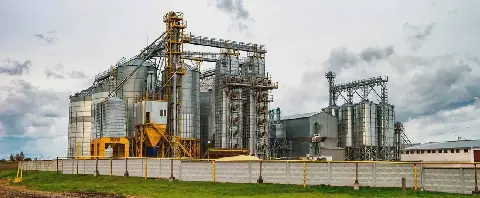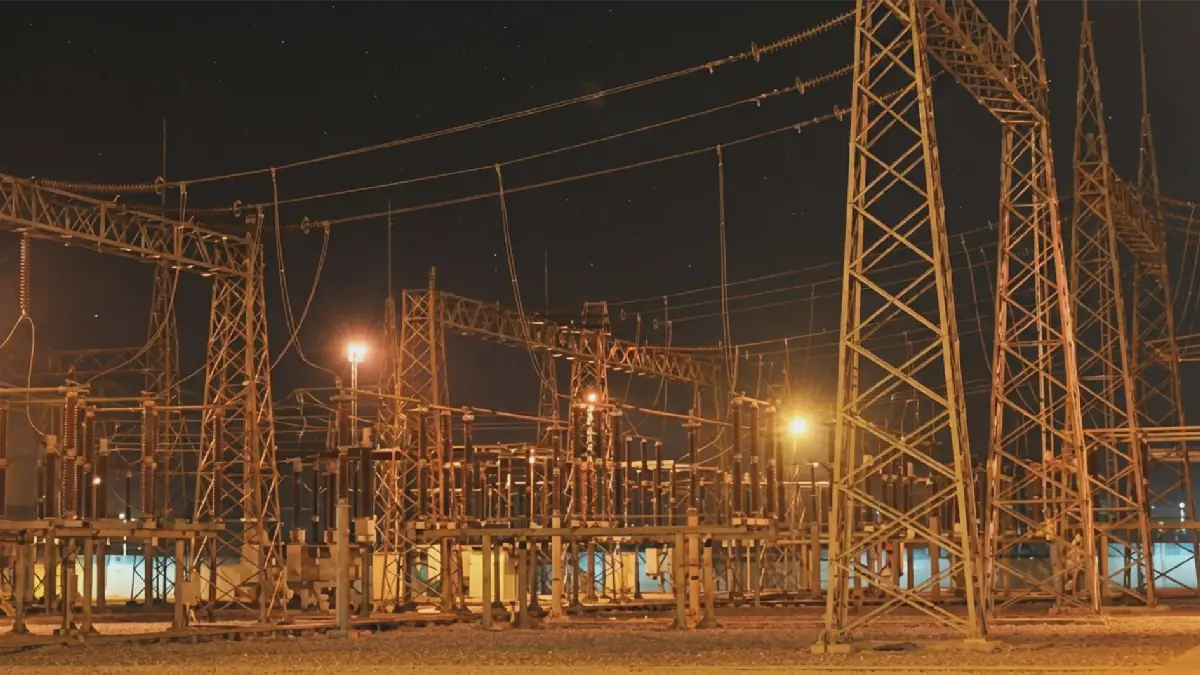
The Chemical and Non-Metallic Products Employers Federation (CANMPEF) has raised concerns about the high cost of electricity and the failure of Nigeria's national grid, a situation that is affecting many Nigerians. The Federation disclosed that Nigerian manufacturers spent an estimated N1.35 trillion on alternative power in 2025, while 18,935 manufacturing jobs were lost in the first half of the year. These figures demonstrate the devastating consequences of Nigeria's electricity crisis.
Nigeria's electricity crisis has been a long-standing issue, with the country unable to guarantee its citizens a constant and reliable electricity supply despite being one of the most richly endowed nations in Africa. After decades of policy pronouncements, reform programmes, privatisation, and enormous public expenditure, Nigerians are still condemned to darkness. The persistent collapse of the national grid, plunging millions of homes and businesses into darkness, is a national disgrace.
Industries in Nigeria spend billions of naira annually on diesel-powered generators, while hospitals struggle to perform life-saving operations and universities conduct research under unstable electricity conditions. Small businesses are crippled by soaring energy costs, and potential investors regard unreliable electricity as one of the greatest obstacles to doing business in Nigeria. No country aspiring to become a modern industrial economy can continue to function under such debilitating conditions.
The Federation identified electricity supply as one of the most significant constraints confronting manufacturers, particularly producers of chemicals, plastics, rubber, glass, ceramics, and other non-metallic mineral products. Average electricity generation remained below 5,000 megawatts against an estimated national demand of about 18,345 megawatts. Gas supply constraints, transmission bottlenecks, and recurring grid collapses have continued to undermine the capacity of the sector to meet the country's electricity needs.
Nigeria has the natural endowments to generate substantially more electricity than it currently produces, but what is missing is the political will, institutional discipline, competent management, and sustained investment required to harness them. The greatest structural weakness of the present electricity arrangement is its continued dependence on an overburdened national grid attempting to serve more than 200 million people across 36 states and the Federal Capital Territory.
The repeated collapse of the grid exposes the fragility of this highly centralised system, and Nigeria must therefore accelerate the decentralisation of electricity generation and distribution. State governments, private investors, and industrial clusters should be encouraged to develop independent and embedded electricity generation systems capable of meeting local demand. The growing adoption of solar energy by households and businesses is exposing another fundamental weakness in the electricity distribution model.
The increasing adoption of renewable energy should encourage DisCos to rethink their business models and embrace distributed generation, mini-grids, and partnerships with independent power producers. Consumers who invest in alternative energy must equally be protected against arbitrary charges, unfair billing practices, and regulatory harassment. The Federal Government must urgently prioritise adequate gas supply to power generation companies, settle outstanding debts in the electricity value chain, and establish a predictable and transparent electricity tariff framework.
Key points
- Nigeria's electricity crisis is affecting industrial productivity, employment, and economic growth.
- The country's dependence on an overburdened national grid is a major structural weakness.
- Decentralisation of electricity generation and distribution, and adoption of renewable energy, are crucial to addressing the crisis.
Reporting sources
- End electricity rhetoric, deliver power Editorial 5 min read · The Guardian