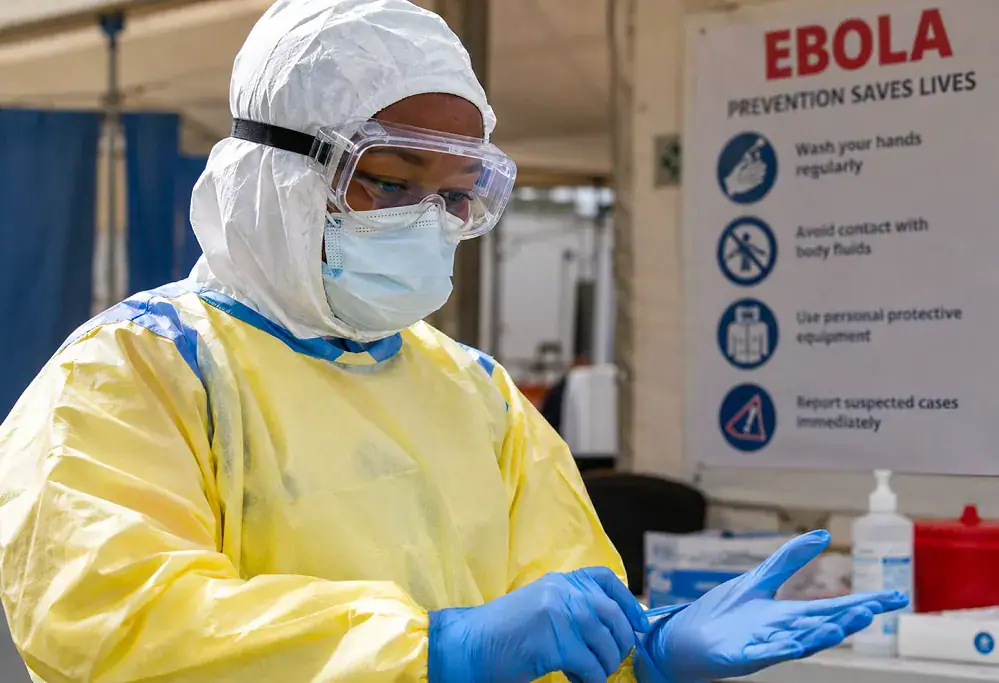
The Nigeria Centre for Disease Control and Prevention (NCDC) has announced that the index patient of Ebola virus disease, who was medically evacuated to Switzerland on October 26, has recovered and tested negative for the virus. The patient had initially received treatment in Nigeria before being evacuated. According to the NCDC Director General, Dr. Jide Idris, the patient tested positive for the virus on arrival in Switzerland but subsequently recovered and was discharged from hospital.
The NCDC has also completed the mandatory 21-day monitoring period for 62 contacts linked to the index case, with the last contact being discharged after completing the monitoring period. Dr. Idris stated that none of the contacts became ill with the disease, meaning no transmission from the index case occurred. He stressed that completing contact monitoring did not amount to a formal declaration that the outbreak was over, adding that Nigeria would continue surveillance and preparedness measures.
During the monitoring period, 13 of the 62 contacts reported fever or other non-specific symptoms, but all tested negative for the virus. Additionally, seven other alerts reported in Adamawa, Rivers, Borno, Lagos, and Ekiti states were investigated, with all returning negative results. Dr. Idris emphasized that the patient's evacuation to Switzerland was not due to a lack of confidence in Nigeria's healthcare system, but rather a requirement by the foreign country.
The NCDC chief explained that Nigerian and Swiss health authorities had maintained communication and shared information throughout the patient's treatment. He also disclosed that the National Emergency Operations Centre remained activated at Level 3, the highest response level for Ebola, while surveillance continued across the country and at international points of entry. States had been grouped according to their level of exposure and risk, with those having international airports and border connections prioritized.
Dr. Idris urged Nigerians to seek medical attention promptly when unwell, disclose their travel history and possible exposure to healthcare workers, and avoid unprotected contact with the blood and body fluids of suspected cases. He also urged organizers of religious gatherings, political rallies, concerts, and other mass events to provide sanitation, safe drinking water, and medical assistance, particularly ahead of the December festive season.
The Mandate Secretary of the Federal Capital Territory Health Services and Environment Secretariat, Dr. Adedolapo Fasawe, provided details of the index case, which was detected after a private health facility alerted the FCT Epidemiological Unit to a suspected Ebola infection. She attributed the early detection to the hospital's high index of suspicion and urged private health facilities in the FCT to promptly report suspected cases through the NCDC emergency line or the FCT health authorities.
Dr. Fasawe commended the NCDC, the Federal Ministry of Health and Social Welfare, development partners, and the FCT administration for coordinating the response. The NCDC and other stakeholders are continuing to maintain vigilance and strengthen preparedness measures to prevent and respond to potential future outbreaks.
Key points
- No secondary transmission of Ebola virus disease occurred in Nigeria following the index patient's recovery in Switzerland.
- The NCDC completed the 21-day monitoring period for 62 contacts linked to the index case without any reported cases of the disease.
- Nigeria will continue surveillance and preparedness measures to prevent and respond to potential future outbreaks.