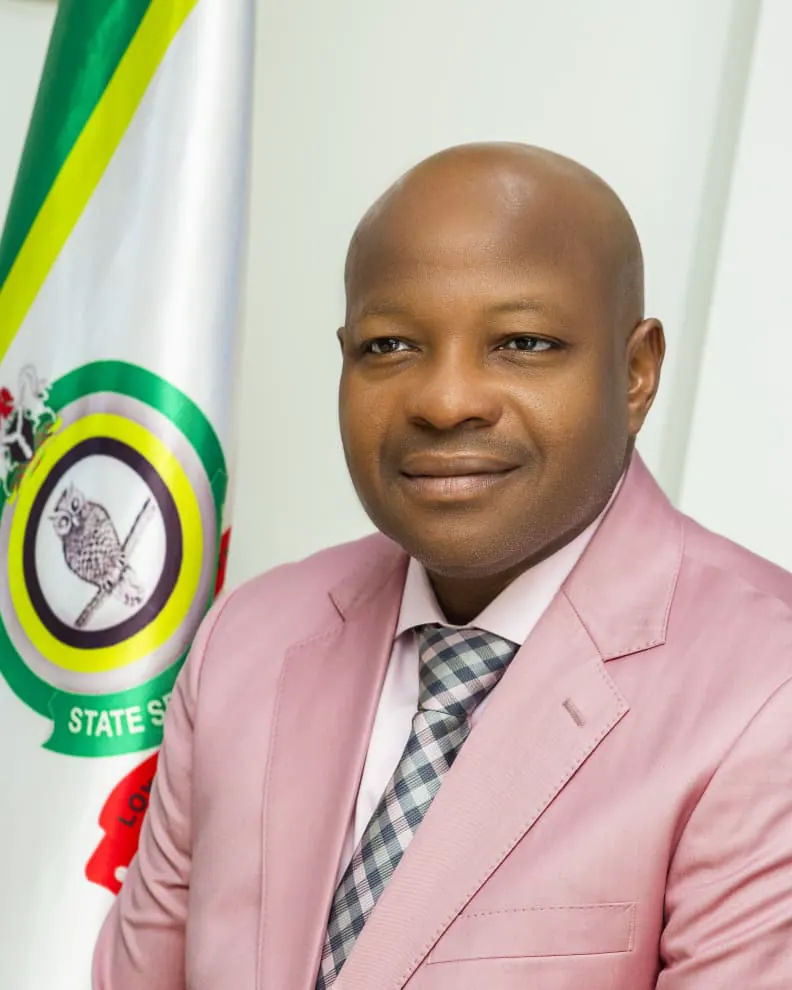
Since assuming office in August 2024, Mr. Adeola Oluwatosin Ajayi has led the DSS in implementing reforms built around five key areas: law enforcement, inter-agency cooperation, institutional accountability, respect for human rights, and infrastructural and administrative reforms. These measures aim to improve operational efficiency and derive strength from professionalism, legality, discipline, welfare, and public trust, rather than fear.
Ajayi's appointment is noteworthy due to his extensive experience within the DSS, having spent decades within the Service before attaining its highest professional position. This experience enables him to understand the strengths that must be preserved and the weaknesses that require correction, making institutional reform more sustainable. Ajayi has spoken about drawing on lessons from his long career to change practices that could have been handled better.
One of the clearest reforms carried out by Ajayi is the deliberate separation of civil disputes from criminal matters. The DSS now prefers judicial processes to coercive intervention in matters requiring judicial determination. This approach reflects a fundamental principle of constitutional governance: the possession of coercive power does not eliminate the obligation to exercise that power within the law.
The DSS has also emphasized restorative justice, taking responsibility and providing redress to victims of operational errors. The Service has paid over N300 million in compensation for operational errors during Ajayi's tenure and has gone beyond court judgments to ensure adequate assistance to victims. This approach demonstrates an institutional attitude of accountability and a commitment to helping restore what was damaged.
The Ajayi administration has paired welfare and professional development with a stated zero-tolerance policy toward unethical conduct. In November 2025, the DSS announced that 115 personnel had been dismissed as part of its ongoing reforms, while warning members of the public about dismissed individuals who continued to impersonate DSS personnel. This approach aims to maintain high standards of discipline within the Service.
The DSS has also implemented various welfare measures, including the completion of a modern office building, construction and renovation of staff quarters and transit accommodation, establishment of creches, upgraded sporting facilities, improved medical equipment and facilities, and provision of operational vehicles and modern armament. These measures demonstrate an understanding that intelligence capability ultimately depends on people.
The reforms under Ajayi's leadership have resulted in a more professional and accountable DSS, with a focus on pursuing both national security and individual rights. The Service's approach has shown that an effective security institution can derive strength from professionalism, legality, discipline, welfare, and public trust, rather than fear.
Key points
- The DSS has paid over N300 million in compensation for operational errors during Ajayi's tenure.
- 115 personnel have been dismissed as part of the DSS's ongoing reforms.
- The DSS has implemented various welfare measures to improve personnel's working conditions and support their professional development.