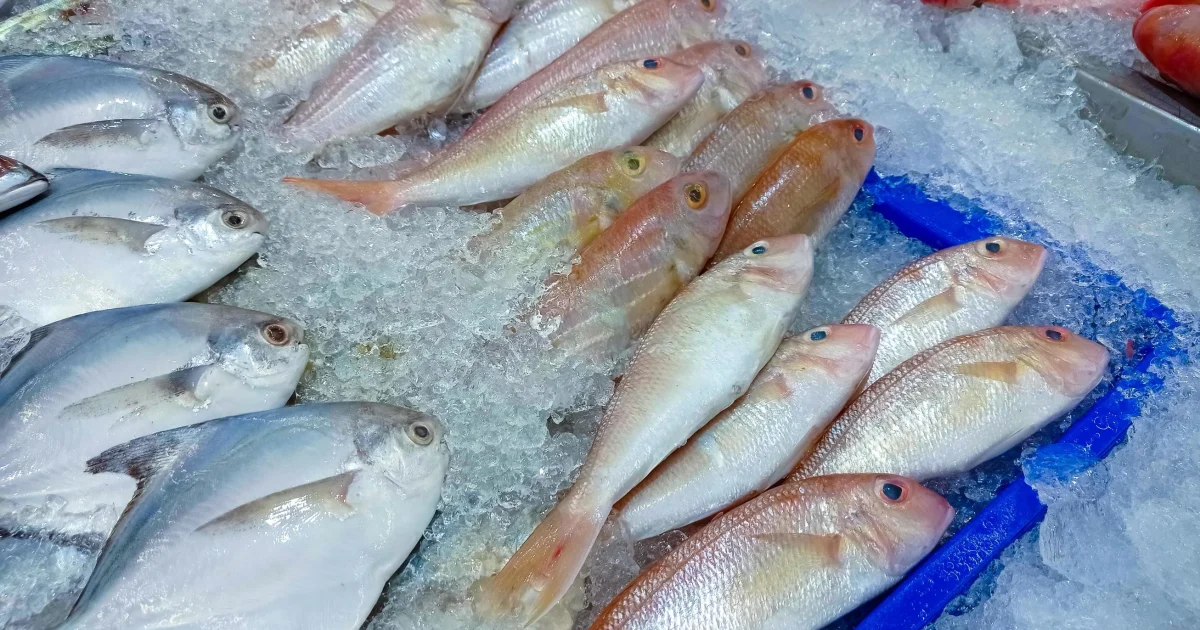
Nigeria's domestic fish production is currently meeting less than a quarter of the country's estimated requirement of 300,000 metric tonnes. The President of the National Fish Association of Nigeria, Ladan Aliyu, stated this during the inauguration of the association's newly elected executive committee in Abuja. He emphasized the need for stronger government support and collaboration among fish farmers to bridge the supply gap.
According to Aliyu, Nigeria consumes about 300,000 metric tonnes of fish annually, but the country's current production remains far below this need. He stated that imports supply only part of the shortfall, with the current production being less than a quarter of the required amount. Aliyu called for fish farmers to organise themselves into sustainable cooperative societies to improve production capacity and work with the government to access essential inputs, training, and supportive policies.
Aliyu defended fish as an affordable source of protein compared with other animal-based foods. However, he acknowledged that the depreciation of the naira had increased the cost of imported varieties. He noted that locally farmed fish could be cheaper than imported alternatives, but foreign exchange pressures had made imported products more expensive for Nigerian consumers.
The Deputy President of NFAN, Adewale Adewu, attributed rising fish prices partly to global market conditions and Nigeria's dependence on imported supplies. He mentioned that the global market was experiencing a surge in prices, and Nigeria was not immune to this trend. Adewu noted that the situation underscored the need to strengthen domestic fish farming rather than rely heavily on imports to meet the country's protein needs.
The Federal Ministry of Industry, Trade and Investment urged the association's new leadership to promote unity, transparency, and accountability as it works to improve the fortunes of fish producers, processors, marketers, and distributors. The ministry's representative, Mrs Felicia Udeh, congratulated the association on its July 29, 2026 election and described the emergence of the new executive committee as an opportunity to strengthen the organisation.
Udeh encouraged the executives to ensure that the interests of members remained central to their decisions and warned against internal divisions that could lead to disputes and litigation. She added that the government was willing to work with the association through policies and other forms of support within its mandate, but stressed that the executives needed to operate collectively rather than allow the organisation to be controlled by a few individuals.
The association's inauguration address also called for unity and professionalism among members, with the leadership urging stakeholders to embrace the principle of "one fish, one voice" to strengthen the industry, improve livelihoods, and contribute to food security. Stronger collaboration among fish farmers, government agencies, and other stakeholders would be necessary to expand production, create opportunities for members, and support the sustainable development of Nigeria's fisheries and aquaculture sector.
Key points
- Nigeria's domestic fish production meets less than a quarter of its needs.
- The National Fish Association of Nigeria is seeking stronger government support and collaboration among fish farmers.
- The association aims to promote unity, transparency, and accountability to improve the fortunes of fish producers, processors, marketers, and distributors.