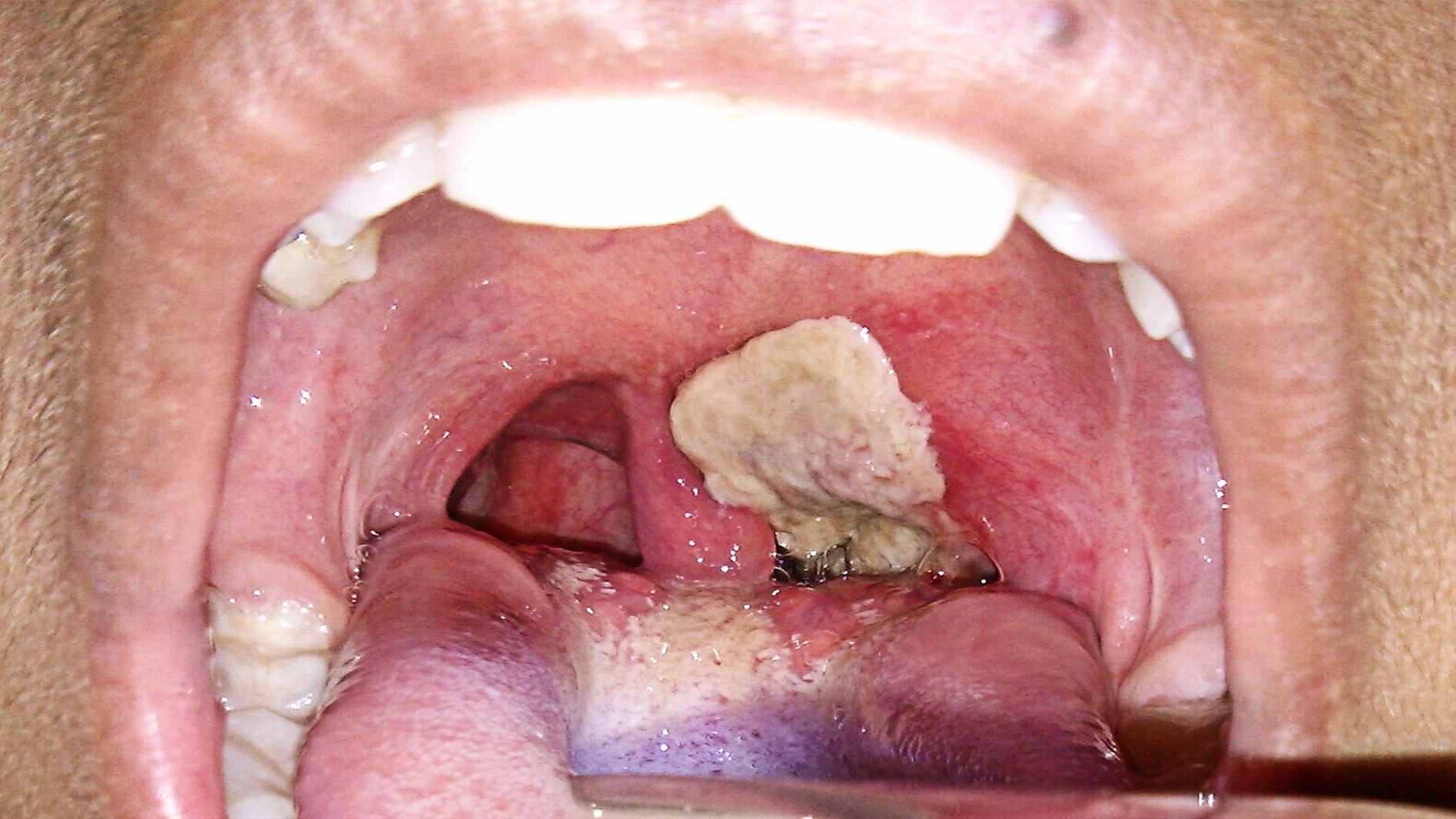
The Academy of Medical Sciences Rapid Response Initiative Group has expressed concern over the rising diphtheria cases in Nigeria, stating that the disease could spread to other parts of the country without coordinated preventive measures. In a public health statement, the group revealed that Nigeria had recorded over 10,000 confirmed diphtheria cases in 2026, with a vast majority of the affected patients unvaccinated. The group emphasized the need for an immediate response to contain the outbreak.
The Gombe State Government has launched an emergency vaccination campaign after recording 332 cases of diphtheria in Akko, Gombe, Kwami, and Funakaye local council areas. The Ministry of Education has directed school principals to work with health officials during the vaccination exercise, which will run from September 20 to 24, 2026. The vaccination exercise aims to curb the spread of the disease in the state.
According to the academy, children between the ages of one and 14 have been the most affected by the diphtheria outbreak. Eight states, including Kano, Kaduna, Katsina, Borno, Bauchi, Plateau, Sokoto, and Zamfara, account for 98 per cent of the reported confirmed cases. The academy noted that diphtheria is a vaccine-preventable disease but is potentially life-threatening and primarily transmitted through respiratory droplets and close contact.
The academy identified low routine immunisation coverage, missed vaccination campaigns, and vaccine hesitancy as contributing factors to immunity gaps in some communities, potentially increasing the risk of outbreaks. Additionally, crowded environments, poor ventilation, and close household or community contact have been identified as factors that could facilitate transmission of the disease.
The Academy of Medical Sciences Rapid Response Initiative Group has called for stronger laboratory surveillance and training of frontline health workers to distinguish suspected diphtheria cases from other illnesses. The group recommended targeting schools, boarding facilities, faith communities, camps, and densely populated settlements, where close contact could increase transmission.
The Gombe State Government's vaccination campaign involves administering three doses of the vaccine, with the second dose given 14 days after the first and the third dose administered seven days later. School principals have been urged to educate students, parents, and Parent-Teacher Associations about the vaccination exercise and allow authorised health workers access to students for vaccination.
The Academy's President, Prof. Osato Giwa-Osagie, and Chairman, Rapid Response Committee, Prof. Obinna Onwujekwe, signed the public health statement, emphasizing the need for a coordinated response to the diphtheria outbreak. The group is working to prevent further spread of the disease and protect the most vulnerable populations.
Key points
- The Academy of Medical Sciences Rapid Response Initiative Group has called for an immediate and coordinated response to the diphtheria outbreak in Nigeria.
- Nigeria has recorded over 10,000 confirmed diphtheria cases in 2026, with a vast majority of the affected patients unvaccinated.
- The Gombe State Government has launched an emergency vaccination campaign after recording 332 cases of diphtheria in the state.