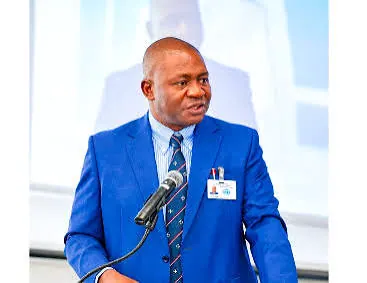
Nigeria's Minister of Defence, retired Gen. Christopher Musa, has emphasized the need for stronger global partnerships to address the country's security challenges. Speaking on the sidelines of the 81st session of the United Nations General Assembly (UNGA) in New York, Musa stressed that Nigeria's security threats had become too complex for any single institution or nation to tackle alone. He advocated for collaboration among government institutions, local communities, international partners, and the private sector.
Musa highlighted that Nigeria's security challenges have national, regional, and international implications. While military and security operations remain crucial in protecting citizens and safeguarding the country's territorial integrity, Musa noted that lasting peace and stability cannot be achieved through military action alone. The minister emphasized that practical partnerships with international organizations, bilateral partners, and the private sector are essential in strengthening Nigeria's security capabilities and institutions.
The Nigerian government is implementing measures to improve national security, including the recruitment of 22,000 additional personnel, restructuring of Army divisions, and strengthening subnational security arrangements. Proposals for state police and forest guards are also part of efforts to enhance security across the country. Musa's call for global partnerships reflects the government's recognition of the complexity and scope of Nigeria's security challenges.
The Special Adviser to the President on Homeland Security, retired Maj.-Gen. Adeyinka Famadewa, provided further insights into Nigeria's security strategy. In a separate interview, Famadewa explained that the country is shifting from a capability-driven approach to a threat-driven security strategy. This new approach focuses on identifying major security threats, assessing existing capability gaps, and prioritizing resources accordingly.
The reviewed National Security Strategy aims to direct resources towards Nigeria's most pressing security needs. Famadewa emphasized that defence is a costly venture, and prioritization is essential. The strategy includes a five-year framework for acquiring critical security capabilities while strengthening Nigeria's domestic defence production capacity. This approach is expected to enhance the effectiveness of Nigeria's security efforts.
Famadewa stressed that national security cannot be guaranteed by the government alone and urged citizens to remain vigilant and provide security agencies with useful information. The government's efforts to improve security are ongoing, with a focus on addressing the root causes of insecurity and promoting national prosperity. The new security strategy is a comprehensive approach to addressing Nigeria's complex security challenges.
The Nigerian government's efforts to address security threats are multifaceted and far-reaching. With the support of international partners and the private sector, the government aims to strengthen its security capabilities and institutions. By prioritizing resources and focusing on the country's most pressing security needs, Nigeria hopes to achieve lasting peace and stability. Key initiatives, such as the recruitment of additional personnel and the restructuring of Army divisions, are expected to enhance the country's security efforts.
Key points
- Nigeria's Defence Minister, Christopher Musa, calls for global partnerships to address security threats.
- The country is shifting from a capability-driven approach to a threat-driven security strategy.
- The government aims to strengthen security capabilities and institutions through practical partnerships and resource prioritization.