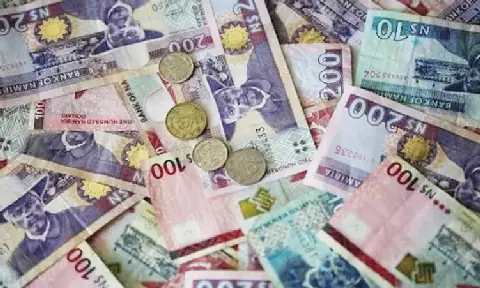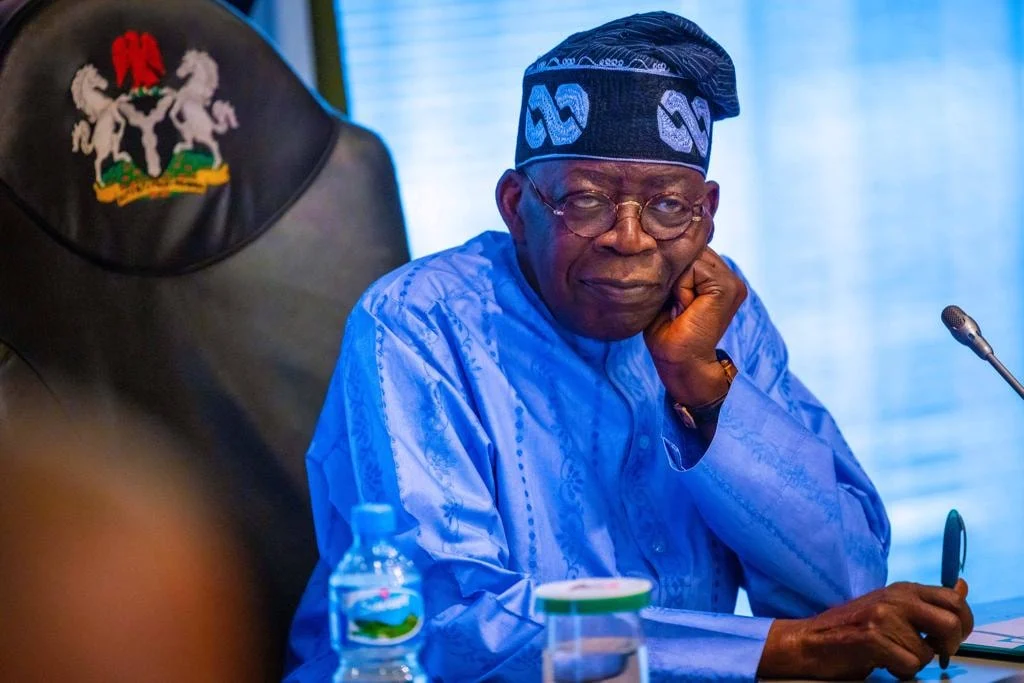
Nigeria's total public debt stock has grown by 90.9% since President Bola Tinubu assumed office in May 2023, rising from N87.38 trillion to N166.79 trillion, according to the Debt Management Office (DMO). This significant increase has raised concerns about the country's debt sustainability and its implications for fiscal space. The DMO's latest figures show that the federal government accounts for approximately N152.77 trillion of the total public debt, while states and the Federal Capital Territory (FCT) hold the remaining N14.01 trillion.
A breakdown of the debt stock shows that external debt rose from $42.49 billion in December 2023 to $51.86 billion by December 2025, and to $54.52 billion by June 2026, an increase of about 28.4%. Domestic debt also increased from N59.1 trillion in December 2023 to N89.4 trillion by December 2025, and to N91.59 trillion by June 2026, an increase of roughly 55%. The increase in domestic debt reflected continued issuance of FGN bonds, Nigerian Treasury Bills, and securitised Ways and Means advances.
The federal government held the bulk share of both domestic and external debt throughout the period. As of June 2026, FGN debt stood at approximately N152.77 trillion, while states and the FCT accounted for approximately N14.01 trillion. This significant increase in debt has raised concerns among analysts, who have described it as unsustainable.
Analysts have decried the country's rising debt profile despite the removal of the fuel subsidy, which has boosted government revenues. They argue that the country's weak non-oil revenue base and escalating debt-servicing obligations continue to put pressure on public finances. Leye Kupoluyi, president of the Lagos Chamber of Commerce and Industry (LCCI), raised concern over the trend at the Chamber's Q2 2026 State of the Economy briefing in Lagos.
Kupoluyi noted that while Nigeria's debt-to-GDP ratio remained within internationally acceptable thresholds, the country's weak non-oil revenue base and escalating debt-servicing obligations continued to put pressure on public finances. He also stated that Nigeria's debt figures were reaching "uncomfortable levels," adding that the Chamber was more concerned about the debt-servicing cost strangulating capital spending in the face of a huge infrastructure deficit.
Dr Muda Yusuf, chief executive officer of the Centre for the Promotion of Private Enterprise (CPPE), also raised concerns over debt sustainability. He argued that the rising debt-servicing burden was a structural challenge that leaves government finances severely constrained, noting that once debt servicing is deducted from government revenue, little is left for other essential public expenditures.
The Tinubu administration removed the petrol subsidy and unified the exchange rate early in its term, but debt figures show borrowing has continued to rise over the period covered. The DMO's data showed that debt rose from N159.28 trillion at the end of December 2025, to N159.35 trillion by March 2026, and to N166.79 trillion by June 2026 — an increase of N7.44 trillion in the second quarter.
Key points
- Nigeria's total public debt stock has grown to N166.79 trillion, a 90.9% increase since President Bola Tinubu took office in May 2023.
- The federal government accounts for approximately N152.77 trillion of the total public debt, while states and the FCT hold the remaining N14.01 trillion.
- Analysts have raised concerns about the country's rising debt profile, describing it as unsustainable and citing the country's weak non-oil revenue base and escalating debt-servicing obligations.