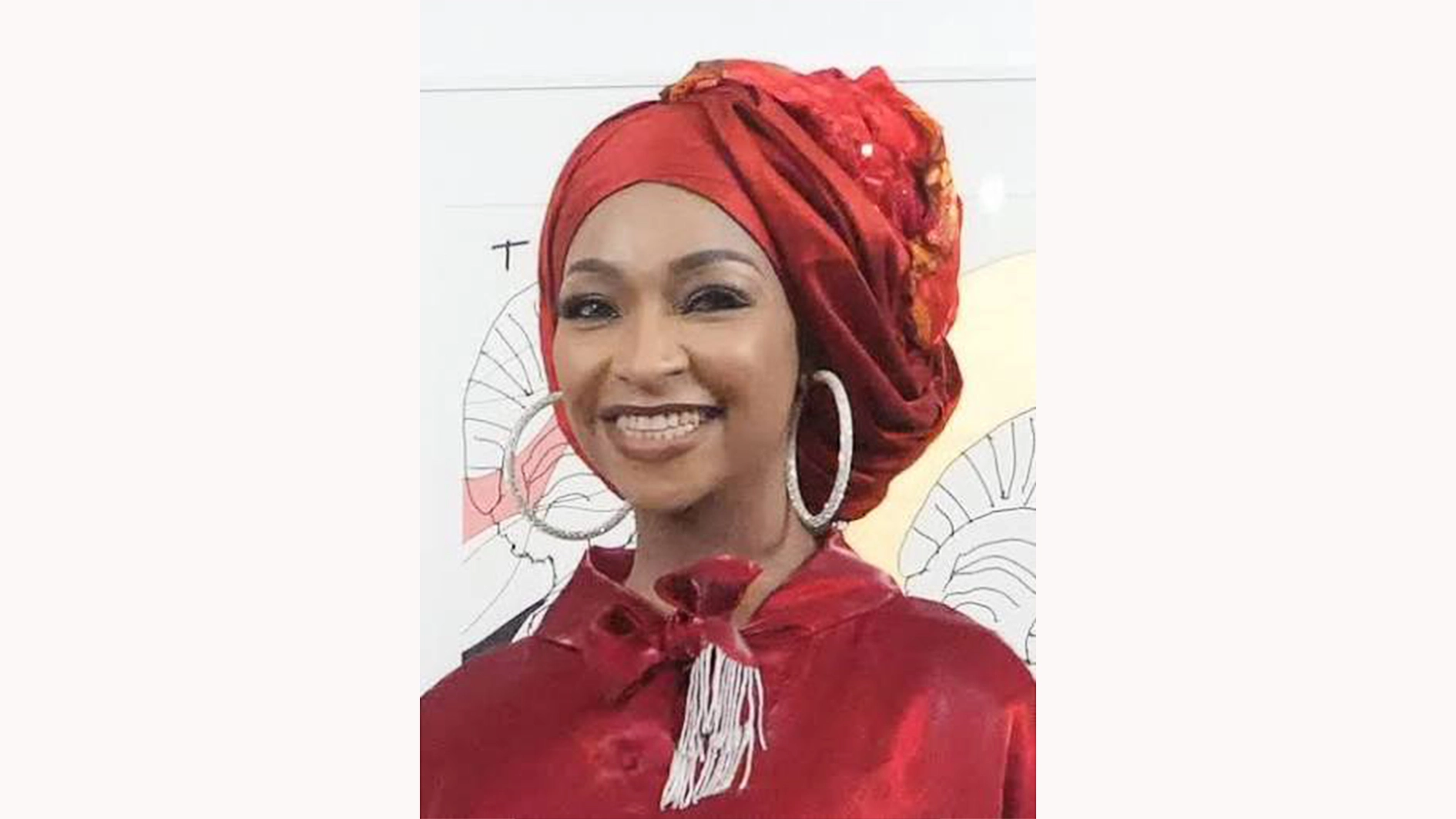
When Hannatu Musa Musawa took over Nigeria's arts, culture, and creative economy portfolio, she set ambitious goals to transform the sector into an engine of economic growth, employment, and national soft power. The ministry's mandate was later expanded to include tourism. Musawa assumed leadership of the restructured ministry on October 23, 2024, with a plan to scale Nigeria's creative economy to contribute $100 billion yearly to the national GDP by 2030 and create 2 million sustainable jobs for Nigerian youths by 2027-2030.
The Ministry of Art, Culture, Tourism, and Creative Economy (FMACTCE) was designed as a catalyst for innovation, growth, and empowerment of Nigeria's cultural and creative sector. Musawa's flagship roadmap included partnering with the Ministry of Finance Incorporated (MOFI) to monetize national heritage and intangible assets, and the "Destination 2030" Soft Power Initiative to expand Nigeria's cultural footprint globally. The minister outlined key challenges, including limited funding access, poor infrastructure, piracy issues, security concerns, and inadequate data on job creation estimates.
To address these challenges, Musawa's ministry will focus on infrastructure development, policy enhancement, skills development, tourism infrastructure, and data-driven decision-making. This includes investing in film studios, digital infrastructure, and global distribution networks, strengthening copyright and intellectual property protections, and establishing fashion incubation centers and creative hubs. The minister emphasized the vast growth potential of Nigeria's creative economy and tourism sectors, driven by increasing digital penetration and rising global demand for Nigerian content.
Despite the impressive architecture announced under Musawa, critics question how much of it has translated into tangible economic value for the people and businesses it was designed to serve. While the minister has been active, with policy documents, financing schemes, and public-private partnerships, governance is ultimately judged by the changes it brings. The minister's own recent remarks provide an entry point into the debate, highlighting the need for faster, visible interventions such as creative hubs, tourism site upgrades, and industry-wide financing access.
According to Adeniran Makinde, President of the National Association of Nigerian Theatre Arts Practitioners, Musawa started on a strong note, with emphasis on partnerships and policy architecture. Recent developments include collaborations with international development and financing institutions aimed at unlocking capital for creatives and expanding access to global markets. However, critics note that many of these initiatives remain in early-stage implementation, with limited measurable outputs.
Supporters argue that Musawa inherited a structurally weak sector and is attempting foundational reform, building systems before visible outcomes. Critics, however, suggest that Nigeria's creative economy is too dynamic to be governed primarily through policy frameworks without faster, visible interventions. Makinde said the greatest strength of Musawa is clarity of ambition, but its greatest weakness is the slow translation of that ambition into everyday economic transformation visible to artists, tourists, and investors.
The ministry's true challenge is not imagination, but execution speed. Whether it succeeds may depend less on policy declarations and more on whether it can adopt a more effective implementation strategy. With high expectations and stretched delivery timelines, Musawa's ministry stands at a formative stage, requiring a balance between policy design and grassroots implementation to achieve its ambitious goals.
Key points
- The Ministry of Art, Culture, Tourism, and Creative Economy faces criticism for slow implementation of its plans.
- The ministry aims to contribute $100 billion yearly to Nigeria's GDP by 2030 and create 2 million sustainable jobs for Nigerian youths.
- Critics argue that the ministry's focus on policy frameworks needs to be matched with faster, visible interventions to drive economic transformation.