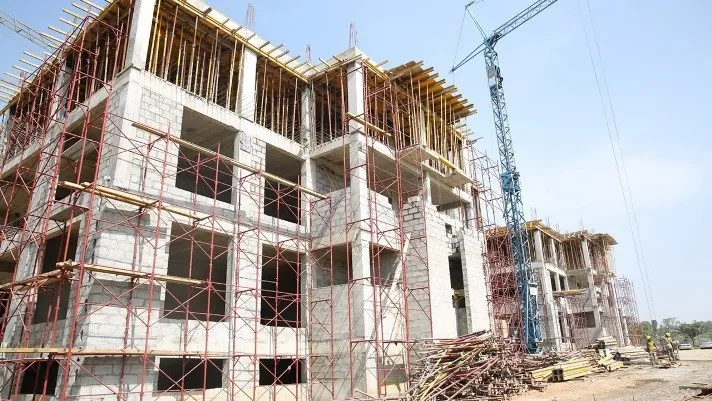
Nigeria's construction sector is facing significant challenges due to soaring building material costs, scarce and expensive land, and a weak mortgage system. The Association of Capital Market Valuers (ACMV) has warned that these issues are crippling the sector. According to ACMV chairman, Chudi Ubosi, the crisis is largely attributed to inflation and foreign exchange (FX) volatility. Nigeria's heavy dependence on imported materials means that exchange rate spikes are immediately passed on to builders, increasing construction costs.
The ACMV has called for urgent reforms to the Land Use Act to make land cheaper and more accessible. This, Ubosi believes, would help alleviate some of the pressure on the construction sector. He also emphasized the need for stronger patronage of local building materials to reduce the sector's exposure to FX volatility and imported inflation. By promoting the use of locally produced building materials, the sector can reduce its reliance on imported goods and mitigate the impact of exchange rate fluctuations.
A functional mortgage industry and tailored financing from banks are critical to driving housing demand and construction, Ubosi stressed. He urged financial institutions to develop products that cater to both developers and prospective homeowners. This, he believes, would help stimulate construction activity and address the country's housing needs. The mortgage industry plays a crucial role in providing access to credit for homeowners and developers, and its functionality is essential for the growth of the construction sector.
The ACMV chairman also highlighted the need for better visibility for local research from the Nigeria Building and Road Research Institute (NBRRI). He questioned the visibility of NBRRI's research and advocated for greater collaboration between architects, manufacturers, and other stakeholders to promote designs that reflect local materials and economic realities. By working together, these stakeholders can develop more effective and efficient building solutions that take into account Nigeria's unique economic and environmental conditions.
Standardization of building materials and designs would create economies of scale and make local manufacturing more commercially viable, Ubosi said. If standard doors or windows were a certain height and specification, companies could produce them in large quantities, knowing they would be in demand. This would help reduce construction costs and promote the growth of the local building materials industry. Standardization can also help ensure that buildings are constructed to a higher standard, which can improve the overall quality of housing and infrastructure in Nigeria.
Ubosi emphasized that fixing the construction sector requires a coordinated approach involving land administration, local production, mortgage financing, and access to credit. He believes that making land cheaper and more accessible should be a top priority, which would require reforming the Land Use Act to reflect current realities. The Land Use Act has been in place for several decades, and its reform is long overdue. By making land more accessible, the government can help stimulate economic growth and address the country's housing needs.
The construction sector is a critical component of Nigeria's economy, and its growth is essential for the country's development. However, the sector faces significant challenges, including high construction costs, scarce and expensive land, and a weak mortgage system. Addressing these challenges will require a coordinated effort from the government, financial institutions, and other stakeholders. By working together, they can develop effective solutions to stimulate the growth of the construction sector and address Nigeria's housing needs.
Key points
- The construction sector faces significant challenges due to high building material costs, scarce and expensive land, and a weak mortgage system.
- Urgent reforms to the Land Use Act are needed to make land cheaper and more accessible.
- A functional mortgage industry and tailored financing from banks are critical to driving housing demand and construction.