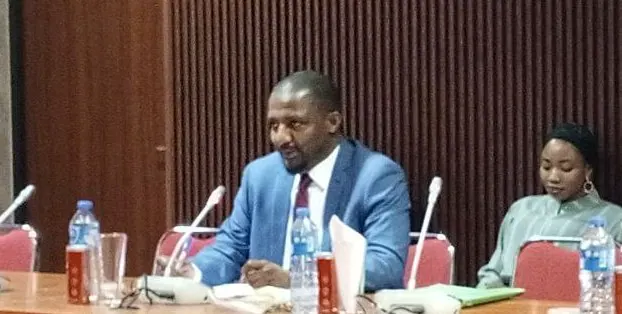
The Chairman of the Code of Conduct Bureau, Abdullahi Bello, announced that the bureau has moved beyond receiving asset declaration forms to examining declarations, investigating suspected infractions, and prosecuting offenders. This was disclosed at an anti-corruption and asset tracing stakeholders' workshop in Abuja. Bello emphasized that the bureau has focused its verification exercise on high-profile public officers.
The Code of Conduct Bureau has interviewed and verified the relations of more than 20 ministers, 30 permanent secretaries, 32 health agencies, and other high-profile individuals. Bello explained that the bureau invites public officers to its office for face-to-face examination of their records. The verification process involves comparing asset declarations at the beginning and end of an official's tenure to detect any unexplained changes.
The bureau can commence an investigation before the end of an official's tenure if allegations or intelligence exist. Bello described asset tracing as central to the bureau's anti-corruption efforts. He also mentioned that the CCB has secured convictions and forfeited properties and funds linked to breaches of the code of conduct.
The Code of Conduct provisions provide for sanctions, including removal from office, disqualification from holding public office, and forfeiture of assets acquired through breaches. Bello outlined the punishments for Code of Conduct breaches, which include being banned from office for 15 years, removal from office, or forfeiture of assets.
The Executive Secretary of the Human and Environmental Development Agenda, Arigbabu Sulaimon, emphasized the need for inter-agency collaboration, intelligence sharing, and the role of civil society in combating corruption. The workshop aimed to strengthen these efforts and advance institutional objectives, including bridging interagency silos and fostering civic synergy.
Sulaimon called for greater use of the Proceeds of Crime Act and the Code of Conduct Bureau's statutory mechanisms in tracing and recovering illicit assets. He also urged the authorities to make asset declaration a more effective tool for detecting illicit enrichment and abuse of public office.
The stakeholders' workshop highlighted the importance of whistleblower protection in uncovering corruption and other crimes. Sulaimon stressed that greater safeguards are needed to encourage individuals to provide information on corruption, and that robust statutory protections and safe reporting mechanisms are essential to protect courageous individuals from retaliation.
Key points
- The Code of Conduct Bureau has investigated and verified assets of over 20 ministers and 30 permanent secretaries.
- The bureau has secured convictions and forfeited properties and funds linked to breaches of the code of conduct.
- The workshop emphasized the need for inter-agency collaboration, intelligence sharing, and whistleblower protection in combating corruption.