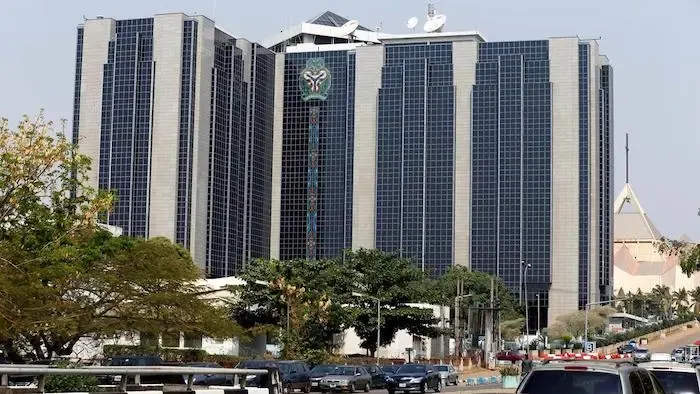
Nigeria's Central Bank, led by Governor Olayemi Cardoso, has reduced the benchmark interest rate to 23% from 26.5%, a move described as an "operational reset" to enhance monetary policy effectiveness. This decision aims to support the transition to an inflation-targeting framework. The rate cut, announced after a rate-setting meeting, is expected to have a broadly positive impact on the market.
Analysts, including Arnold Dublin-Green, CIO/COO of BGL Asset Management Limited, view the rate cut as positive for the market. They anticipate a rotation from fixed-income investments into equities, potentially strengthening equity markets relative to yields in the Treasury bill market. However, Dublin-Green noted that oil price volatility and pre-election spending could pose risks later in the year.
The rate reduction is expected to ease borrowing costs for the Debt Management Office and may lead to a decline in the CBN's OMO bills due to the interest rate decrease. According to Dublin-Green, even with the steep cut, the real interest rate remains strong at 7.61%, one of the highest in sub-Saharan Africa. This provides a solid foundation for monetary policy.
The macroeconomic environment has been improving, with consumer inflation dropping to 15.39% in August from 15.43% the previous month. Additionally, the naira has gained about 8% against the dollar this year, and external reserves have reached $55.3 billion, the highest level in eighteen years. These favorable conditions allowed the CBN to cut interest rates from a position of strength.
Oluwayemisi Sunmola, a Sub-Saharan Africa banking research analyst at Vetiva Capital Management, described the rate cut as a recalibration to align the benchmark policy rate with prevailing market conditions. This move is expected to strengthen monetary policy transmission and provide a clearer framework for pricing financial assets.
Matilda Adefalujo, an investment research analyst at Meristem Securities, expects OMO bills to trend toward treasury bills and bonds, which have seen declines in average yields. However, she believes the rate on OMO bills will not fall as sharply as those on bonds and treasury bills, given the need to maintain a premium to attract foreign portfolio investors.
The rate reduction presents an opportunity for the government to borrow at lower rates, securing funding before potential future inflation spikes and rate increases. This move is also expected to help sustain the stability of the naira. Analysts remain optimistic about the positive impact of the rate cut on the market and the economy.
Key points
- The Central Bank of Nigeria cut its benchmark interest rate to 23% from 26.5%.
- The rate cut aims to support the transition to an inflation-targeting framework and enhance monetary policy effectiveness.
- Analysts expect the rate reduction to have a broadly positive impact on the market, with potential for equity market growth.