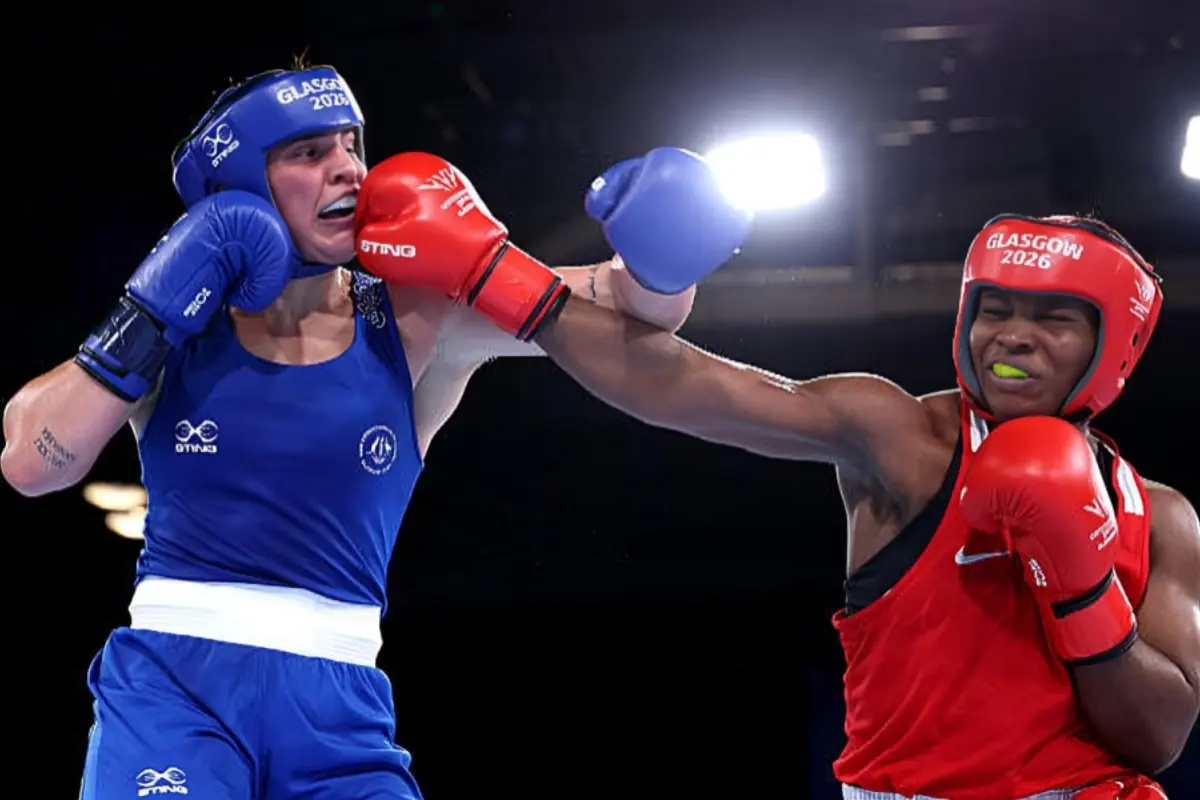
Nigeria's sporting identity has long been tied to a handful of disciplines, including boxing and wrestling, which have consistently delivered medals on the international stage. However, the 2026 Commonwealth Games in Glasgow revealed challenges facing these sports. Nigeria's boxing team entered with six fighters but finished without a medal, while wrestling was absent from the Games after being left out of the final sporting program. This situation raises questions about the state of two sports that once formed a significant part of Nigeria's international medal strategy.
Boxing has historically been a source of pride for Nigeria, with the country's first Olympic medal coming from the sport in 1964 when Nojim Maiyegun won bronze in the light-middleweight category. Nigeria went on to win several more Olympic and Commonwealth medals in boxing, with a total of 42 Commonwealth boxing medals, including 13 golds. However, the pipeline that produced these results appears to have weakened considerably. At the 2026 Commonwealth Games, Nigeria's six boxers failed to win a medal, with Blessing Orakwe's quarter-final defeat to Australia's Lekeisha Pergoliti ending the country's campaign.
Former world number two welterweight Emmanuel Obisia has criticized the quality of administration and coaching within Nigerian boxing, citing poor appointments, inadequate planning, and a shortage of properly qualified coaches. He also highlighted the disappearance of school boxing clubs that once helped provide a steady stream of young talent. The grassroots pipeline was crucial in identifying, training, and developing fighters, and its weakening has contributed to Nigeria's decline in the sport.
Funding and commercial support remain major problems for Nigerian boxing. A report by the National Agency of Nigeria highlighted the sport's struggles with funding, governance, and commercial infrastructure. Football dominates the commercial sport landscape in Nigeria, attracting most corporate sponsorship and broadcast attention, leaving boxing to struggle with establishing a comparable commercial ecosystem.
The administrative structure surrounding Nigerian boxing has also become a source of tension, with the Nigeria Boxing Federation overseeing amateur boxing and the Nigeria Boxing Board of Control responsible for professional boxing. The relationship between the two bodies has generated disputes over their respective responsibilities and authority, creating administrative uncertainty that has not helped a sport already dealing with questions over funding, coaching, and athlete development.
Ahead of the Glasgow Commonwealth Games, amateur coaches and boxers reportedly protested over the selection process for Nigeria's Commonwealth team, calling for an investigation into allegations surrounding the selection of athletes. This controversy can be particularly damaging for a sport attempting to rebuild, as it risks undermining confidence among athletes and coaches.
In contrast to boxing, wrestling's absence from the 2026 Commonwealth Games was largely due to the Glasgow organizers' decision to reduce the number of sports on the program. While Nigeria's wrestling team did not face the same challenges as the boxing team, the country's decline in both sports raises concerns about the nation's ability to consistently produce elite athletes and compete at the international level.
Key points
- Nigeria's boxing team failed to win a medal at the 2026 Commonwealth Games, despite entering with six fighters.
- Wrestling was absent from the 2026 Commonwealth Games after being left out of the final sporting program.
- Nigerian boxing faces challenges including poor administration, inadequate coaching, and a shortage of funding and commercial support.