In Nigeria, religion plays a significant role in public life, with politicians and citizens often invoking faith in discussions about governance. The practice of "praying for the nation" has become a common phenomenon, with billions of naira spent on prayers across various religious divides, particularly during elections. This blending of politics and religiosity is not unique to Nigeria, but its manifestation in the country has raised questions about the proportion of effort dedicated to prayer versus policy implementation.
President Bola Ahmed Tinubu's recent trip for the lesser-hajj, where he prayed for the nation, has sparked concerns about the allocation of time and resources. Critics argue that the energy and funds spent on prayers could be better utilized in redesigning economic policies to alleviate the suffering of Nigerians. With the 2027 election campaigns approaching, the government has yet to convincingly articulate its policy direction, leaving many to wonder if prayers alone can address the country's mounting challenges.
The intersection of politics and faith has led to concerns about the erosion of democratic institutions in Nigeria. A recent opinion piece described the country under Tinubu's administration as a "one-man show," where the President is surrounded by sycophants who fail to provide honest feedback on the nation's situation. This has resulted in a lack of effective governance, with civil servants struggling with low salaries and a emasculated National Assembly that fails to hold the President accountable.
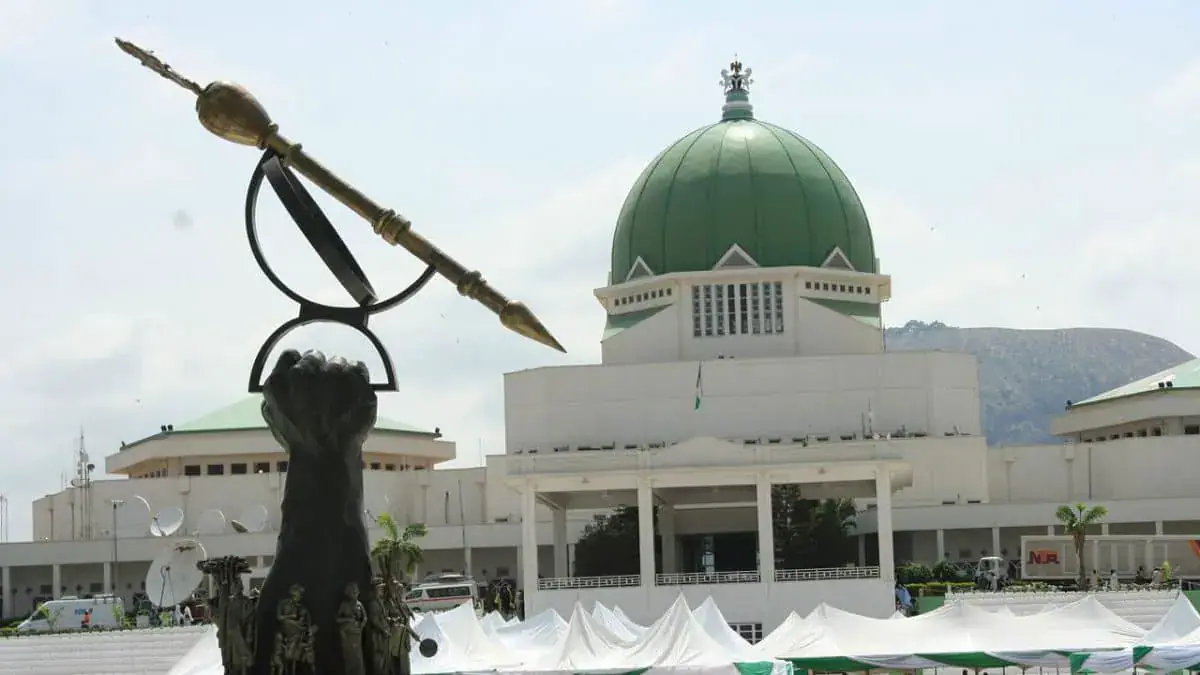
The National Assembly, under the leadership of Godswill Akpabio, has been criticized for being overly subservient to the Presidency. This is in stark contrast to the country's democratic past, where the National Assembly was more assertive and independent. The Nigerian Labour Congress (NLC) has also been accused of being ineffective in advocating for workers' rights, with some arguing that the organization's bark is louder than its bite.
Reforms instituted by the Tinubu government have been met with criticism, with many arguing that they have not benefited the majority of Nigerians. While the government has welcomed favorable comments from international organizations like the World Bank and IMF, it has been less receptive to adverse comments or criticism from economists and knowledgeable Nigerians.
The country's foreign policy has also come under scrutiny, with concerns about the marginalization of career diplomats in favor of politicians loyal to the President. The handling of the coup d'état in Niger Republic, under Nigeria's chairmanship of ECOWAS, has been criticized as ineffective, with some arguing that the threat of military action was not followed through.
As Nigeria navigates its complex relationship between faith and governance, citizens and leaders alike must consider the role of prayer in national progress. While prayer is an essential aspect of many Nigerians' lives, it remains to be seen whether it can be a substitute for effective policy implementation and good governance. The government must balance its spiritual and temporal responsibilities to address the country's pressing challenges and ensure a better future for its citizens.
Key points
- The practice of "praying for the nation" has become a significant industry in Nigeria, with billions of naira spent on prayers across various religious divides.
- Critics argue that the energy and funds spent on prayers could be better utilized in redesigning economic policies to alleviate the suffering of Nigerians.
- The intersection of politics and faith has led to concerns about the erosion of democratic institutions in Nigeria, with some describing the country under Tinubu's administration as a "one-man show."