The Auditor-General of the Federation, Mr. Shaakaa Chira, has released a report exposing widespread financial corruption across various ministries and agencies in Nigeria. The report highlights billions of Naira in unaccounted expenditure, including N33.75 billion in unverified cash transfers to 3.29 vulnerable households across 35 states. This revelation has sparked concerns about the level of impunity and audacity among ministries and agencies, as well as the government's apparent helplessness or complicity in addressing the issue.
The report also flagged over N126.46 billion in public funds mismanaged, lost, diverted, or unaccounted for by the Independent National Electoral Commission (INEC). Additionally, N203.09 billion was spent by the Nigerians in the Diaspora Commission (NIDCOM) without supporting documents. These findings have raised questions about the effectiveness of the government's anti-corruption policies, including the SERVICOM and Single Treasury Account initiatives aimed at promoting transparency and accountability.
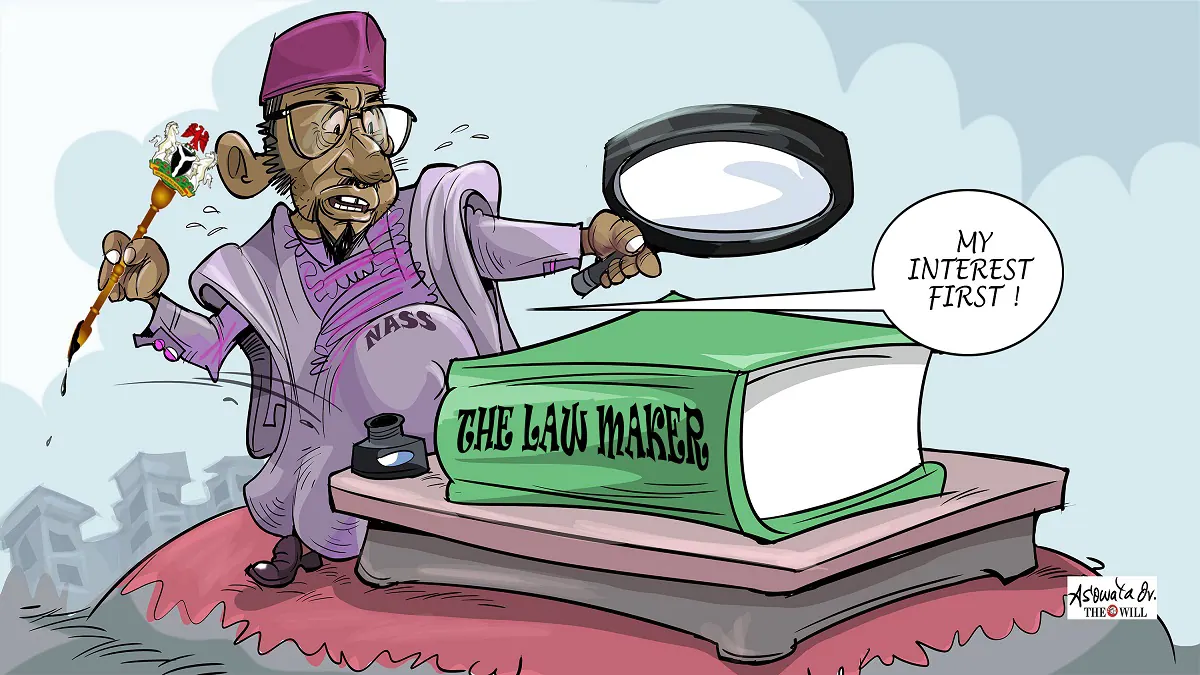
Despite the implementation of policies aimed at curbing corruption, cases of official corruption continue to reign. Ministries, departments, and agencies (MDAs) have been accused of conducting government work like private businesses, with heads freely dipping their hands into the treasury without compunction. The Auditor-General's report has highlighted the need for the government to take decisive action against those found culpable.
The report has also indicted public commissions like INEC and NIDCOM, which have allegedly misused public funds. The figures are staggering, and the manner in which the monies were taken from the treasury is unbelievable. In some cases, receipts were allegedly forged, and in other cases, there was no evidence of purchases for the stated amount.
The government has been urged to treat the Auditor-General's report with seriousness and take appropriate measures against those found culpable. Commissions like NIDCOM have promised to account for every detail of the transactions and provide receipts for them. Others allegedly indicted by the report have been urged to follow suit and clear their names.
The crisis appears to be beyond the handling of principal officers of the agencies, and beyond sanctions, other measures should be applied to anyone found culpable. Public servants found wanting should be disciplined either through demotion or sacked without benefits. The government's inaction has contributed to the perpetuation of impunity, which diminishes the government and contributes to impoverishing the people.
The Auditor-General's report has sparked renewed calls for the government to take decisive action against corruption. The government must take concrete steps to address the issue, including implementing effective policies and sanctions against those found culpable. The fate of Nigeria's development and the well-being of its citizens depend on the government's ability to tackle corruption effectively.
Key points
- The Auditor-General's report exposes widespread financial corruption across various ministries and agencies in Nigeria.
- The report highlights billions of Naira in unaccounted expenditure, including N33.75 billion in unverified cash transfers and N126.46 billion in public funds mismanaged by INEC.
- The government has been urged to take decisive action against those found culpable, including disciplinary measures and sanctions.