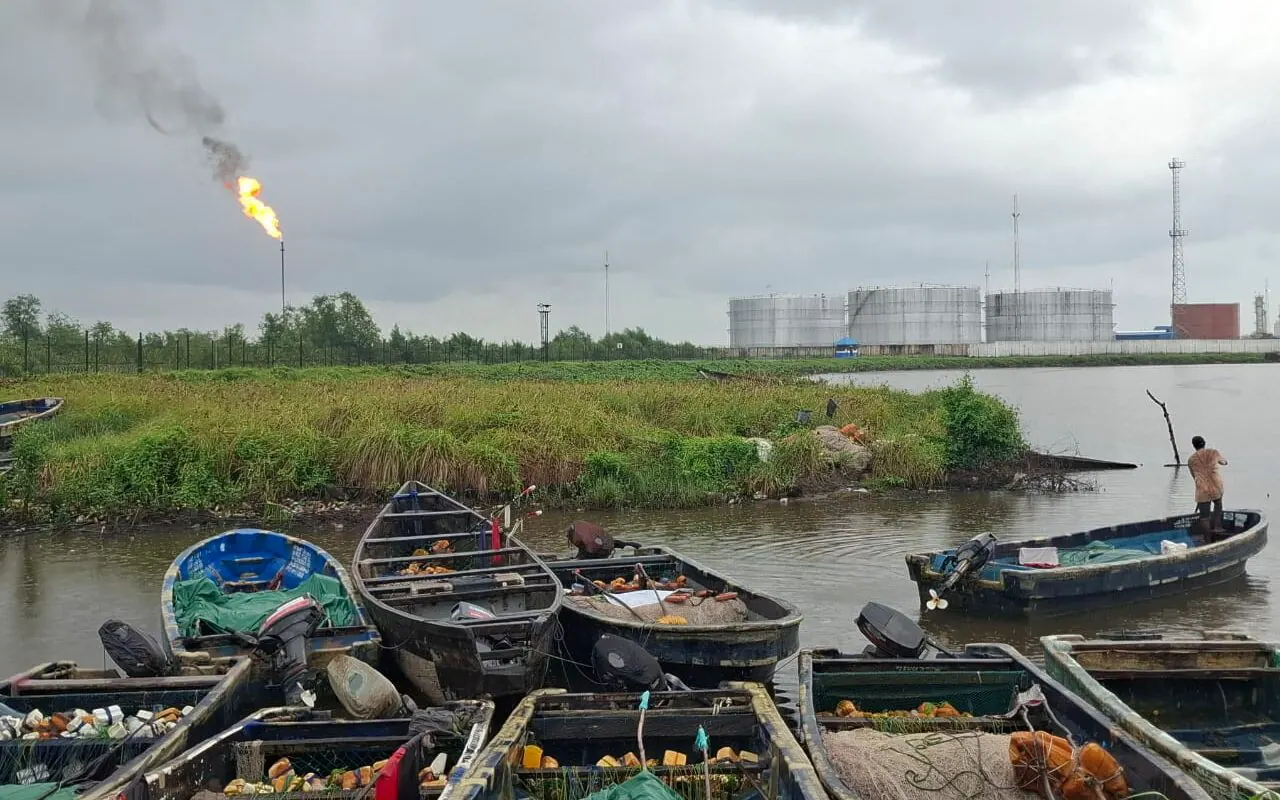
The Nigerian government enacted the Petroleum Industry Act (PIA) in August 2021 to address environmental concerns, including reducing methane emissions and ending gas flaring. The law required producers of natural gas to prepare a Natural Gas Flare Elimination and Monetisation Plan (FEMP) to end gas flaring. However, nearly five years after the Act came into force, implementation has fallen short of expectations. An investigation by Premium Times found that the NUPRC, responsible for enforcing Nigeria's anti-flaring laws, has not fulfilled its legal obligations.
The PIA mandated that every licensee or lessee producing natural gas submit a FEMP within 12 months of the Act's effective date. However, the regulations required to guide the preparation of those plans did not exist until May 2023, almost two years after the PIA became law. The NUPRC signed the Gas Flaring, Venting and Methane Emissions (Prevention of Waste and Pollution) Regulations in May 2023, which were later gazetted in July 2023. This delay has raised concerns about the effectiveness of the law.
The regulations introduced a fresh deadline, giving companies six months from the commencement of the regulation to submit their FEMP. This new deadline effectively reset the clock outside the August 2022 deadline provided in the Act. A legal practitioner, Ekemini Udim, argued that the NUPRC's delay fundamentally weakened the law's implementation. He stated that the responsibility rested squarely with the regulator and that the failure should be viewed primarily as a regulatory failure rather than a corporate one.
The NUPRC's delay has implications for the enforcement of the law. If the regulator itself failed to comply with the implementation timetable created by the PIA, can it effectively sanction companies for delays that flowed partly from its own inaction? The NUPRC's failure to provide a timely response to Premium Times' enquiry has raised concerns about its commitment to transparency and accountability.
The PIA handed the NUPRC powers over flare gas, allowing the commission to take ownership of gas destined to be flared and allocate it to third-party investors. However, the NUPRC only issued flare-gas permits in December 2025 to 28 companies, more than four years after the PIA became law. During this period, millions of standard cubic feet of associated gas continued to burn daily, emitting methane across the Niger Delta's oil fields.
The NUPRC's latest threat to revoke permits for gas flare site awards over non-utilisation suggests that the law to take gas destined for flaring may not have yielded the desired result four years after it was passed. The commission has said it will revoke permits where investors fail to demonstrate significant progress in utilising the gas flare sites. However, data on the amount of flare gas captured and commercialised between the issuance of the permits and 30 June 2026 is not readily available.
The PIA and the 2023 regulations imposed obligations on the NUPRC to publish data on vented gas. However, the commission has failed to comply with this requirement. The lack of transparency and accountability in the implementation of the law has raised concerns about the effectiveness of Nigeria's anti-flaring regulations.
Key points
- The NUPRC's failure to enforce Nigeria's anti-flaring laws has resulted in continued methane emissions and gas flaring.
- The delay in issuing regulations and permits has hindered the implementation of the PIA.
- The NUPRC's lack of transparency and accountability has raised concerns about its commitment to environmental regulations.