The Nigerian government recently announced a 30-day petrol discount, allowing NNPC Retail to sell petrol at a lower cost, giving priority to public transport operators. This move aims to reduce the pressure on consumers as global oil prices rise. The discount, which started on October 8, 2026, is not considered a return to fuel subsidy, as NNPC Retail is merely giving up its profit on petrol sales for a limited period.
Reports from Abuja have raised concerns about access to the discount, with differences in prices paid by customers using NNPC's mobile application and those buying directly at the pump. Some petrol marketers have increased their pump prices, making it difficult for citizens to access the discount. The government must clarify how the discount works, which filling stations offer it, and how much citizens are expected to save.
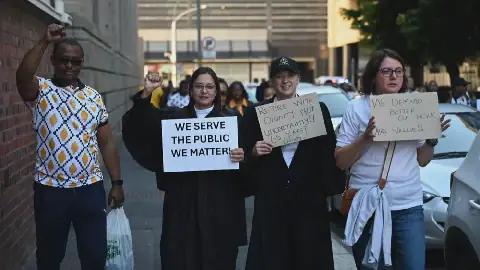
The Nigeria Labour Congress has given the Federal Government two weeks to address petrol prices and begin negotiations on a new national minimum wage. This demand reflects growing concerns about workers' ability to meet basic needs as the cost of living rises. The proposed limit of ₦1,350 per litre on petrol costs before retail sales also needs clear rules, including who will bear extra costs and how often the limit will be reviewed.
The government claims that the discount will bring relief to citizens, but many are questioning its effectiveness in addressing the country's fuel challenges. With transport fares, food prices, and other living costs remaining high, a temporary discount may provide some relief but cannot solve the wider problem. The country needs lasting solutions, including strengthening local refining, improving fuel supply, and supporting cheaper transport options.
The Federal Government's decision to extend the petrol discount is a welcome step, but Nigerians need to know whether it will bring real relief to their daily lives. The government should publish regular updates showing how many people have benefited from the discount and work with transport unions to ensure that any savings are reflected in fares.
When petrol prices rise, commuters often face immediate fare increases, but when prices fall, fares do not always come down. This problem must be addressed to ensure that citizens benefit from the discount. The government should measure the success of the discount by the money Nigerians save, the transport fares they pay, and the relief businesses receive.
Beyond the 30-day discount, Nigeria needs a clear plan for what comes next. Affordable fuel, reasonable transport fares, and wages that can meet basic needs must remain the goal long after the discount ends. The government should focus on implementing lasting solutions to reduce the impact of sudden increases in world oil prices and provide relief to citizens.
Key points
- The Nigerian government has announced a 30-day petrol discount, allowing NNPC Retail to sell petrol at a lower cost, giving priority to public transport operators.
- The discount has raised concerns about access, with differences in prices paid by customers using NNPC's mobile application and those buying directly at the pump.
- The government must clarify how the discount works and provide regular updates on its effectiveness in addressing the country's fuel challenges.