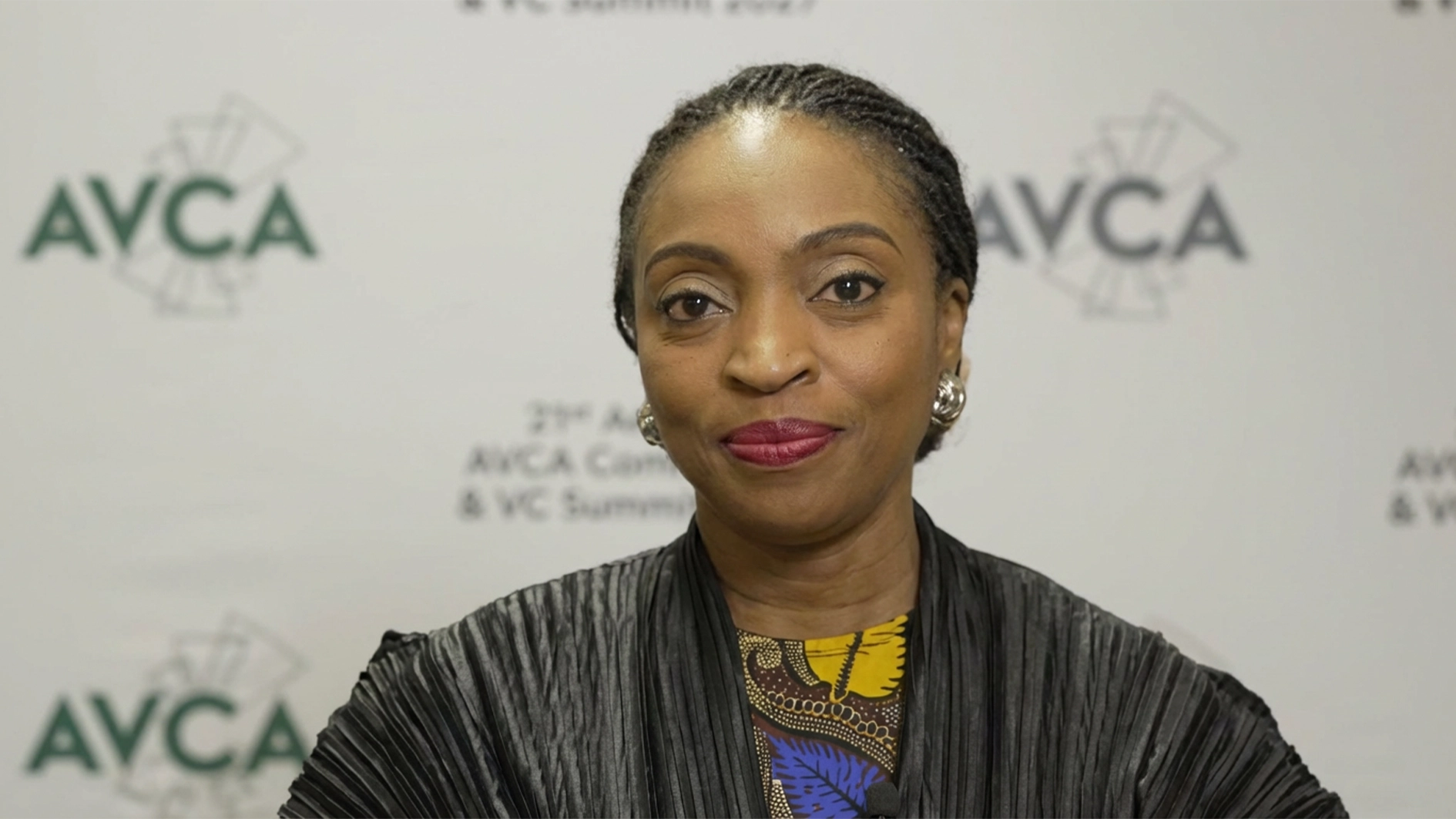
Nigeria's Minister of Industry, Trade and Investment, Jumoke Oduwole, has outlined the country's ambition to build a $1 trillion economy by 2030. This goal, she emphasizes, will depend on stronger non-oil exports, digital jobs, manufacturing, and investment in productive sectors. To achieve this, the Federal Government is working to improve market access, trade facilitation, and the business environment. This will enable Nigerian businesses to expand production and compete in international markets.
The government has made significant progress in securing investment announcements, with about $50 billion committed as of January 2025. This follows over 80 memoranda of understanding signed during international engagements. However, converting these commitments into actual investments remains a priority. Some of these commitments are already being implemented, including Indorama's $8 billion investment in fertiliser and petrochemicals and Coca-Cola's $1.5 billion commitment.
New investments are beginning to materialize, such as healthcare manufacturer Vestagaard's operations at the Lagos Free Zone. Vestagaard is expected to produce insecticide-treated mosquito nets for domestic consumption and export to other African markets. Additionally, the government is working with the Kwara State Government on the concession of the state's garment factory. This project is expected to employ about 4,000 people, 80 per cent of them women, at full capacity.
To boost manufacturing, the administration has introduced an industrial policy, a domestic investor summit, and a platinum business champions programme. These initiatives aim to address challenges confronting major businesses. The government is also engaging manufacturers and other private-sector groups to resolve operational bottlenecks. Furthermore, efforts are being made to help Nigerian businesses access regional markets through the African Continental Free Trade Area (AfCFTA).
Nigeria's strategic partnership with the United States on critical minerals has been defended by Oduwole. She describes the framework as non-binding and designed to attract investment, infrastructure, and technology to develop local mineral value chains. The goal is to move beyond exporting raw minerals by developing the capacity to process resources such as lithium into higher-value products, including batteries.
Digital services, agribusiness, infrastructure, and non-oil exports have been identified as key drivers of the proposed $1 trillion economy. Services already account for more than half of Nigeria's GDP. The government is promoting digital skills, remote employment, and service exports through its Hire-from-Nigeria initiative. Infrastructure projects, including the Lagos-Calabar Coastal Highway and Sokoto-Badagry Superhighway, are expected to open new trade corridors.
While progress has been made, achieving the $1 trillion target will require sustained reforms, higher productivity, improved security, and stronger social investment. This will ensure that economic growth translates into jobs and broader prosperity. Notably, Nigeria's non-oil exports to China have increased by 80 per cent in one year, reflecting efforts to expand market access and strengthen bilateral trade.
Key points
- Nigeria aims to achieve a $1 trillion economy by 2030 driven by non-oil exports and investment.
- The government has secured about $50 billion in investment announcements as of January 2025.
- Achieving the target will require sustained reforms, higher productivity, and improved security.