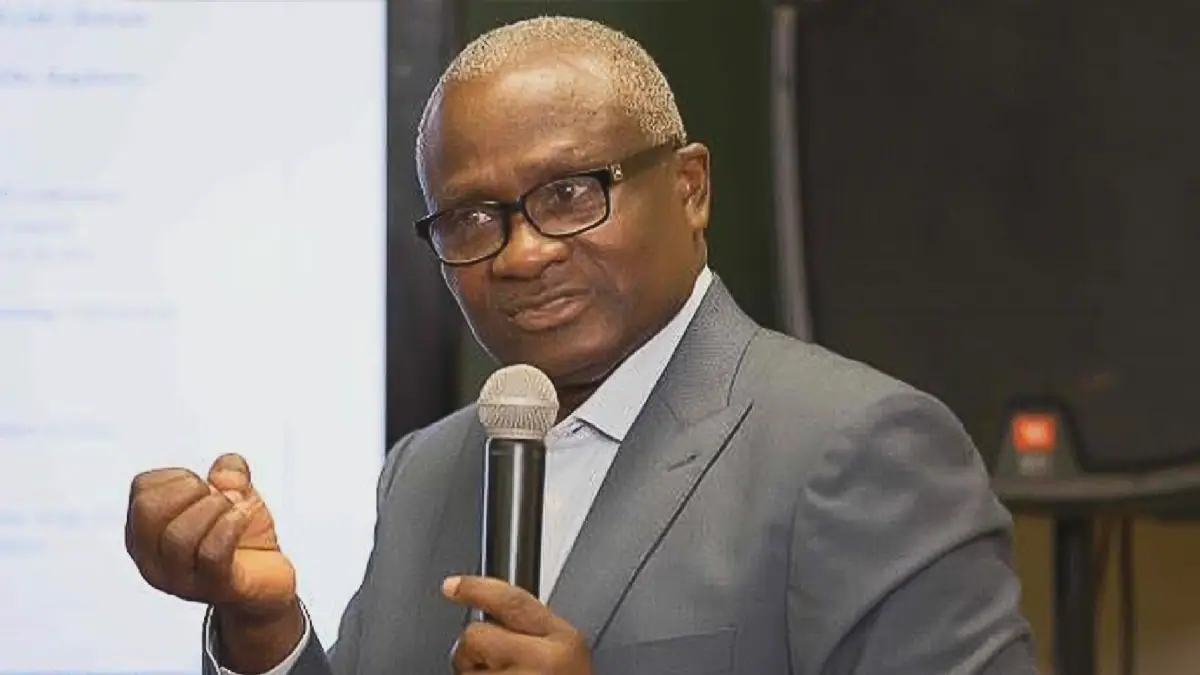
The Director-General of the Nigeria Centre for Disease Control and Prevention (NCDC), Dr. Jide Idris, has clarified that the ₦10 billion emergency intervention fund approved by President Bola Tinubu is not exclusively for Ebola Virus Disease. Instead, it is designed to strengthen Nigeria's preparedness against multiple epidemic-prone diseases, including Lassa fever, cholera, and cerebrospinal meningitis. The fund aims to enhance prevention, preparedness, early detection, and rapid response to public health threats.
Dr. Idris emphasized that the ₦10 billion was released directly to the NCDC, not to the Presidential Task Force on Ebola Virus Disease. He noted that the allocation was inadequate, given Nigeria's growing health security needs. The NCDC boss disclosed that implementing the country's National Action Plan for Health Security (NAPHS 2.0) would cost approximately ₦522 billion over five years, translating to an average annual requirement of ₦104.4 billion.
Nigeria requires sustained investments from the Federal Government, state governments, and development partners to protect its population against epidemic threats. The country's population exceeds 240 million, and the Global Preparedness Monitoring Board estimates that a country needs US$1 to US$2 per person each year to be acceptably prepared for epidemics. For Nigeria, this translates to US$240 million to US$480 million a year.
Dr. Idris provided a breakdown of government funding for health security, revealing that NCDC's allocation increased from ₦4 billion in 2024 to ₦7 billion in 2025, followed by a ₦5 billion intervention fund that year. The 2026 Appropriation provides ₦22 billion. President Tinubu approved the additional ₦10 billion emergency intervention funding in June 2026, following the outbreak in the Democratic Republic of Congo.
The NCDC boss maintained that the request was never restricted to Ebola but covered the broader national health security agenda. He stressed that preventing epidemics, averting deaths, and avoiding economic disruption require deliberate financial commitments. Dr. Idris warned that the cost of failing to prepare for disease outbreaks could far exceed the cost of prevention.
On the Ebola situation, Dr. Idris reported that Nigeria had confirmed its first imported case of Bundibugyo Ebola virus disease, with laboratory confirmation made on October 20, 2026. However, he assured Nigerians that there was no active case in the country as of the time of his statement, with identified contacts under daily surveillance.
Dr. Idris dismissed calls for the postponement of elections, restrictions on travel, or a blanket ban on mass gatherings, insisting that the prevailing situation did not warrant such measures. He urged Nigerians to avoid spreading unverified information, warning that misinformation and the politicisation of public health emergencies could undermine public confidence and jeopardise the country's response efforts.
Key points
- The ₦10 billion emergency fund is for multiple epidemic-prone diseases, not just Ebola.
- Nigeria needs ₦104.4 billion annually for health security.
- The country requires sustained investments to protect its population against epidemic threats.