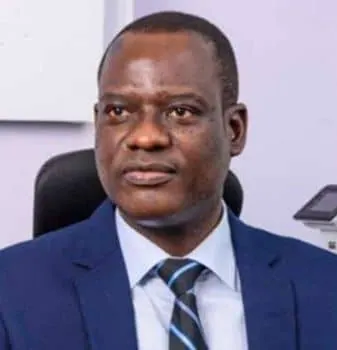
Nigeria's Minister of Finance, Taiwo Oyedele, and Central Bank Governor, Olayemi Cardoso, met with World Bank Group President, Ajay Banga, on the sidelines of the IMF and World Bank annual meetings in Bangkok, Thailand. The meeting aimed to review Nigeria's policy reforms progress and discuss the next phase of its agenda. Oyedele leads Nigeria's delegation to the week-long meetings. The discussions focused on turning macroeconomic stability into faster growth, more private investment, and stronger domestic revenues.
The World Bank Group identified artificial intelligence (AI) applications in various sectors as key to creating jobs and boosting productivity in Nigeria and other African economies. AI applications in agriculture, healthcare, manufacturing, tourism, and infrastructure can address local economic challenges. The institution urged governments to prioritize practical uses of the technology. Banga emphasized the importance of deploying smaller, practical AI solutions to drive development.
Banga commended Nigeria's reforms progress, citing a significant increase in private capital inflows. Inflows rose from about $300 million in 2023 to nearly $6 billion in 2026, representing a twentyfold increase. Oyedele highlighted Nigeria's rising economic growth and improved tax-to-GDP ratio, which increased from 7% to 12.5% over the same period. This growth gives the government more room to fund public investment without resorting to deficit monetization.
The meeting discussed Nigeria's potential use of World Bank guarantee instruments to unlock financing for infrastructure and attract more private capital. Power infrastructure and human capital were identified as priorities for continued public investment, given their importance to business competitiveness, productivity, and job creation. The quality of public spending was also stressed, ensuring each naira delivers measurable economic and social returns.
The Federal Government is engaging with development partners to lock in reform gains and attract new investment. As Nigeria moves from stability to growth, the priority is to turn stronger fundamentals into productive investment, more jobs, and better living standards for Nigerians. The meeting with Banga is part of this effort.
The IMF chief and Singapore president warned that AI could widen the jobs gap if not managed properly. The World Bank Group is placing job creation at the center of its development agenda, with a focus on deploying practical AI solutions. Banga emphasized the need for governments to prioritize job creation and address local economic challenges.
Nigeria's engagement with the World Bank and IMF aims to drive economic growth and development. The country is working to turn macroeconomic stability into sustainable growth, and the meetings with Banga and other development partners are crucial to achieving this goal. The World Bank's emphasis on AI and job creation will likely play a significant role in Nigeria's development agenda.
Key points
- Nigeria's private capital inflows increased twentyfold from $300 million in 2023 to nearly $6 billion in 2026.
- The World Bank Group identified AI applications in agriculture, healthcare, and infrastructure as key to creating jobs and boosting productivity in Nigeria and other African economies.
- Nigeria's tax-to-GDP ratio rose from 7% to 12.5% over the same period as the increase in private capital inflows.