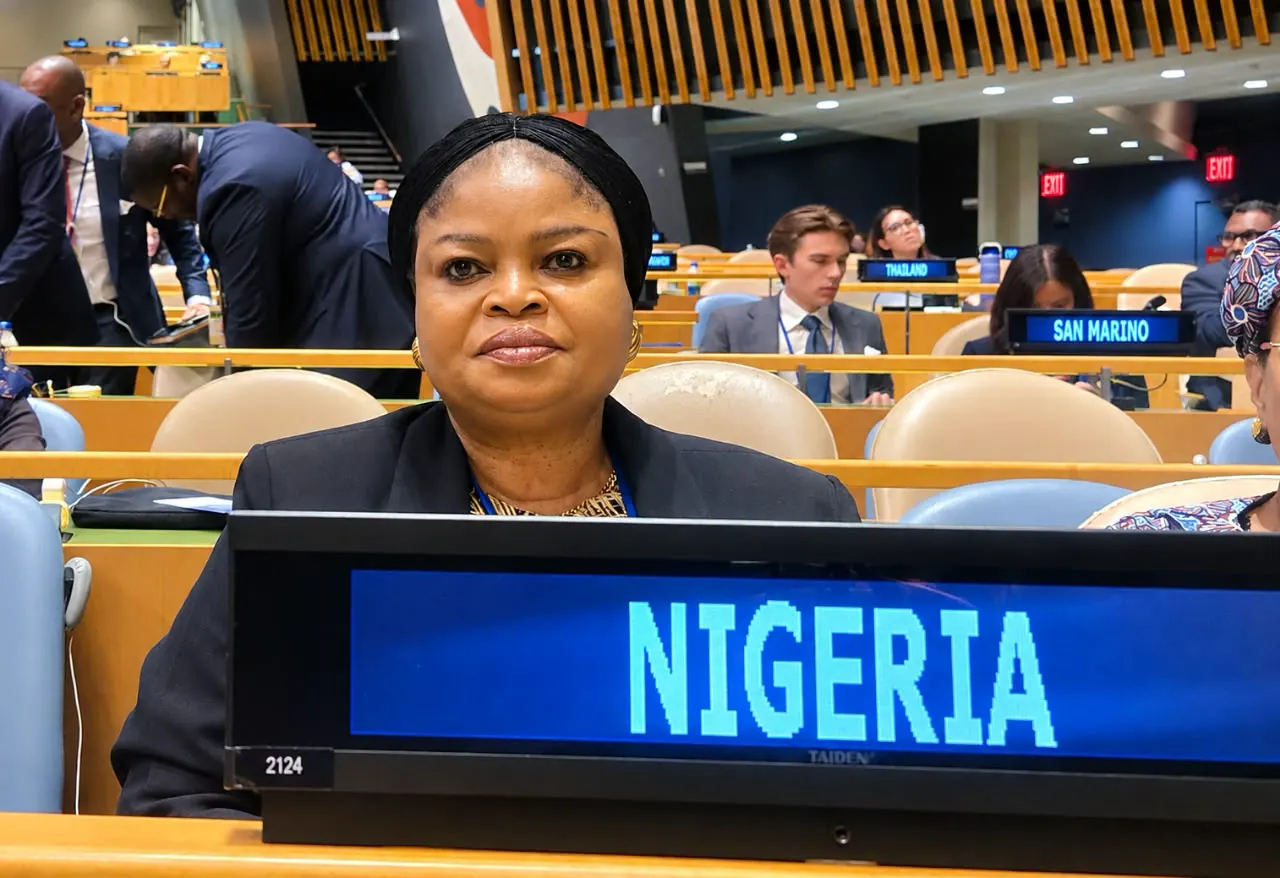
The Office of the Senior Special Assistant to the President on Sustainable Development Goals (OSSAP-SDGs) has reaffirmed Nigeria's commitment to accelerating progress on the Goals as the world marks 11 years since the adoption of the 2030 Agenda for Sustainable Development. The Agenda, adopted by United Nations Member States on September 25, 2015, sets out 17 Goals covering poverty, health, education, and other priorities. Its central pledge is to leave no one behind.
Over the past 11 years, Nigeria has built structures to integrate the Goals into national and state development planning. Through OSSAP-SDGs, the country has developed tools for policy modelling, development financing, and progress tracking. The office has also worked with state governments, development partners, civil society, and the private sector to turn national commitments into local action. These efforts aim to ensure that the Goals are achieved by 2030.
Nigeria has reported on its progress through three Voluntary National Reviews, presented in 2017, 2020, and 2025. The latest review assessed performance across key indicators and identified areas requiring stronger action. These areas include better data, targeted investment, and more inclusive implementation. The reviews have helped Nigeria to track its progress and make adjustments to achieve the Goals.
Reflecting on the anniversary, Princess Adejoke Orelope-Adefulire, Senior Special Assistant to the President on SDGs, said the occasion calls for both recognition of the progress made and urgency about the work ahead. She noted that Nigeria's commitment can be seen in improvements in people's lives, deepened partnerships, and resources directed at where needs are greatest. The focus is on ensuring that women, children, young people, and vulnerable communities share in the benefits of development.
With fewer than four years remaining until 2030, OSSAP-SDGs said it would continue to strengthen coordination across all levels of government. The office aims to improve the use of evidence in decision-making and mobilise partnerships that can deliver results at scale. This will involve working with public institutions, businesses, communities, and development partners to achieve the Goals.
The 2030 Agenda has several key areas of focus, including poverty, health, education, and climate action. Nigeria's commitment to the Agenda is reflected in its efforts to address these areas. The country has made progress in some areas, but there is still much work to be done. The government and its partners must work together to ensure that the Goals are achieved.
The anniversary of the 2030 Agenda serves as a reminder of the work that remains to be done. Nigeria and other countries must reaffirm their commitment to the Goals and work towards achieving them. The government, civil society, and the private sector must work together to ensure that the Goals are achieved and that no one is left behind.
Key points
- Nigeria reaffirms its commitment to the 2030 Agenda on the 11th anniversary of the Sustainable Development Goals.
- The country has made progress in some areas, but there is still much work to be done to achieve the Goals.
- The government and its partners must work together to ensure that the Goals are achieved and that no one is left behind.