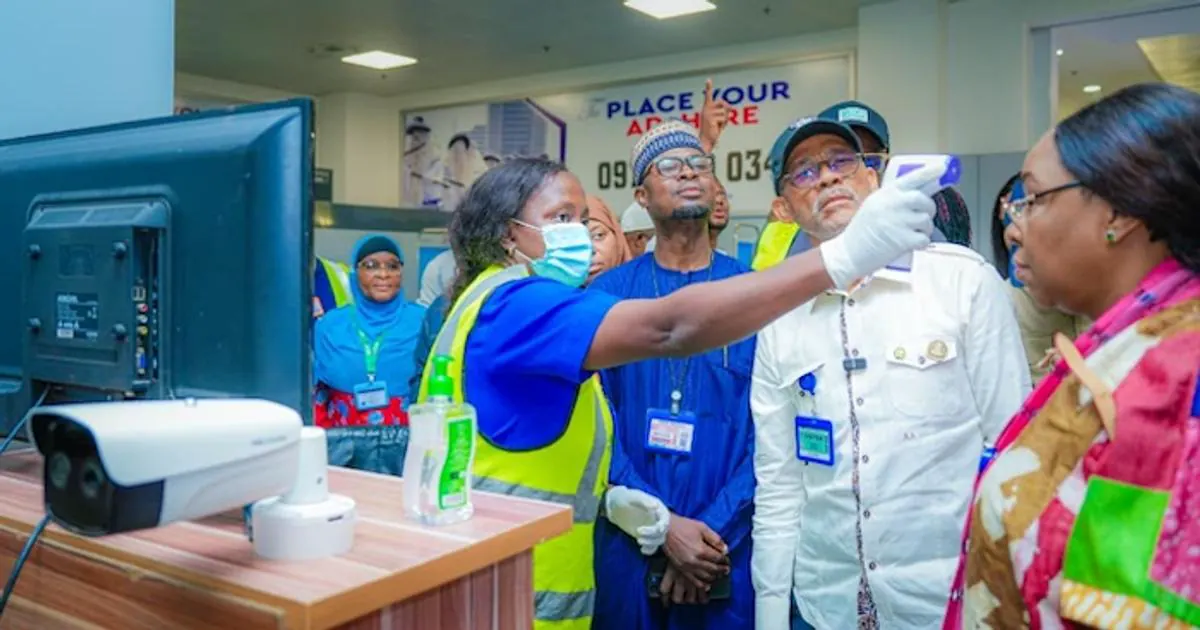
Nigeria has heightened its alert level and strengthened Ebola surveillance measures in response to the ongoing outbreak in the Democratic Republic of Congo (DR Congo). The Nigeria Centre for Disease Control and Prevention (NCDC) has announced that some international travellers arriving in Nigeria may be required to complete health declaration forms. This move is part of efforts to prevent the spread of Ebola into Nigeria. The NCDC is working closely with the Federal Ministry of Health and Social Welfare to monitor the situation.
The NCDC has clarified that the new requirement will only apply to travellers arriving from countries with active or relevant Ebola Virus Disease (EVD) transmission. Travellers from affected countries may be required to complete the Health Declaration Form as part of enhanced public health surveillance and follow-up measures. The agency has also urged Nigerians to remain vigilant and watch for symptoms associated with Ebola, especially if they have recently travelled or had contact with someone who may have been exposed.
The NCDC has reassured the public that passengers from countries not affected by the outbreak are currently exempt from completing the health declaration form. The agency is continuing preparedness activities across the country and remains committed to protecting Nigerians through evidence-based surveillance, preparedness, and response to public health threats. Health officials are screening international travellers at airports and other entry points to detect any potential cases.
Nigerians have been urged to seek medical attention immediately if they experience symptoms consistent with Ebola or have a relevant travel history. The general public is encouraged to remain alert and report any relevant travel or exposure history to health authorities. The NCDC is working to ensure that the country is prepared to respond quickly and effectively in the event of an Ebola outbreak.
The Ebola outbreak in DR Congo has raised concerns about the potential for the disease to spread to other countries. Nigeria has a history of successfully containing Ebola outbreaks, including the 2014 outbreak that recorded 20 confirmed cases and eight deaths. The country's response to the outbreak was recognised globally as one of its biggest public health successes.
The NCDC is continuing to monitor the situation in DR Congo and assess the risk of transmission to Nigeria. The agency is working closely with international partners to share information and coordinate a response to the outbreak. The Nigerian government has assured the public that it is taking all necessary measures to prevent the spread of Ebola.
Ebola Virus Disease is a severe and often deadly illness caused by the Ebola virus. It spreads through direct contact with the blood or other body fluids of an infected person or contaminated surfaces. Common symptoms include sudden fever, weakness, muscle pain, headache, sore throat, vomiting, diarrhoea, and internal and external bleeding. The disease can be fatal if not treated promptly and effectively.
Key points
- Nigeria has stepped up Ebola surveillance measures following the outbreak in DR Congo.
- Travellers from countries with active Ebola transmission may be required to complete health declaration forms.
- Nigerians are urged to remain vigilant and seek medical attention if they experience symptoms consistent with Ebola.