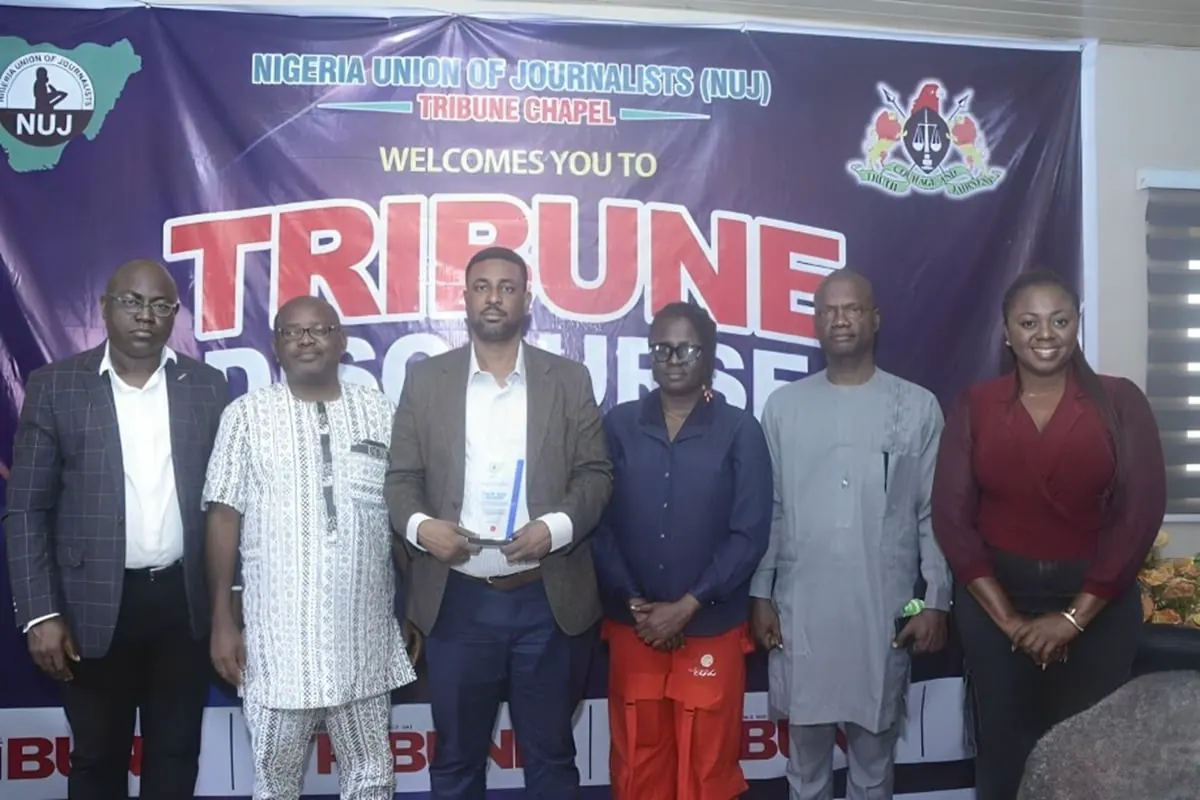
The Chancellor of the American Open University, Global Campus, Professor Seyi Akanbi, has urged Nigeria to fundamentally redesign its education system to align with the demands of the digital age. Speaking at the Tribune Discourse organised by the Nigerian Union of Journalists (NUJ) in Ibadan, Akanbi emphasized that the country's education system must adapt to the challenges of the digital era. He made this call on Thursday, highlighting the need for innovative solutions to address the nation's education gap.
Akanbi argued that Nigeria should not simply transfer the traditional classroom model to an online platform but rather develop learning systems specifically designed for the country's environment. He cited the American Open University's flexible and hybrid approach, which allows students to access learning materials even without internet connectivity. This approach, he believes, can be a model for Nigeria to ensure that students have continuous access to educational resources.
The professor emphasized that no country has perfect infrastructure, but education providers must develop solutions that work within their particular environment. He advocated for a shift from conventional digital literacy to "productivity literacy," noting that Nigerians already have significant exposure to digital platforms. The objective of digital education, according to Akanbi, should be to equip individuals with the ability to use technology to create solutions and become productive.
Akanbi also addressed the issue of accessibility for students with disabilities, advocating for the adoption of Universal Design for Learning. This approach provides educational materials in different formats, ensuring that all students have equal access to learning resources. He dismissed the perception that graduates of online universities are inferior to those from conventional universities, arguing that quality should be measured by competence rather than the mode of education.
Earlier, the chairman of NUJ Tribune Chapel, Mrs Bunmi Ishola, highlighted the significance of the discourse in confronting critical issues affecting Nigeria's future. She noted that while demand for higher education grows, access remains a major challenge due to distance, cost, inadequate infrastructure, and other barriers. Ishola emphasized that technology offers a new possibility for expanding access to education, but it is crucial to ensure that this opportunity is accessible to every Nigerian.
Akanbi further explained that the American Open University has adopted a hands-on approach to learning, where students' assignments are done on computers, submitted digitally, and communication is also digital. He stressed that accessibility should not disadvantage any group while trying to help another but rather provide people with the opportunity to choose the option that works best for them.
In conclusion, Akanbi's call for a redesign of Nigeria's education system underscores the need for innovative and adaptable solutions to address the country's education gap. By leveraging technology and adopting flexible learning approaches, Nigeria can expand access to quality education and equip its citizens with the skills needed to thrive in the digital age.
Key points
- Nigeria must redesign its education system to meet the realities of the digital age.
- The country should develop learning systems specifically designed for its environment rather than transferring traditional classroom models online.
- There is a need for a shift from conventional digital literacy to "productivity literacy" to equip Nigerians with skills to create solutions and become productive.