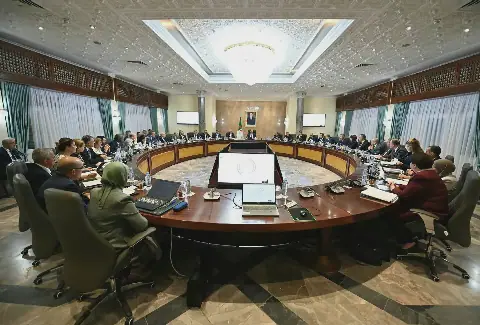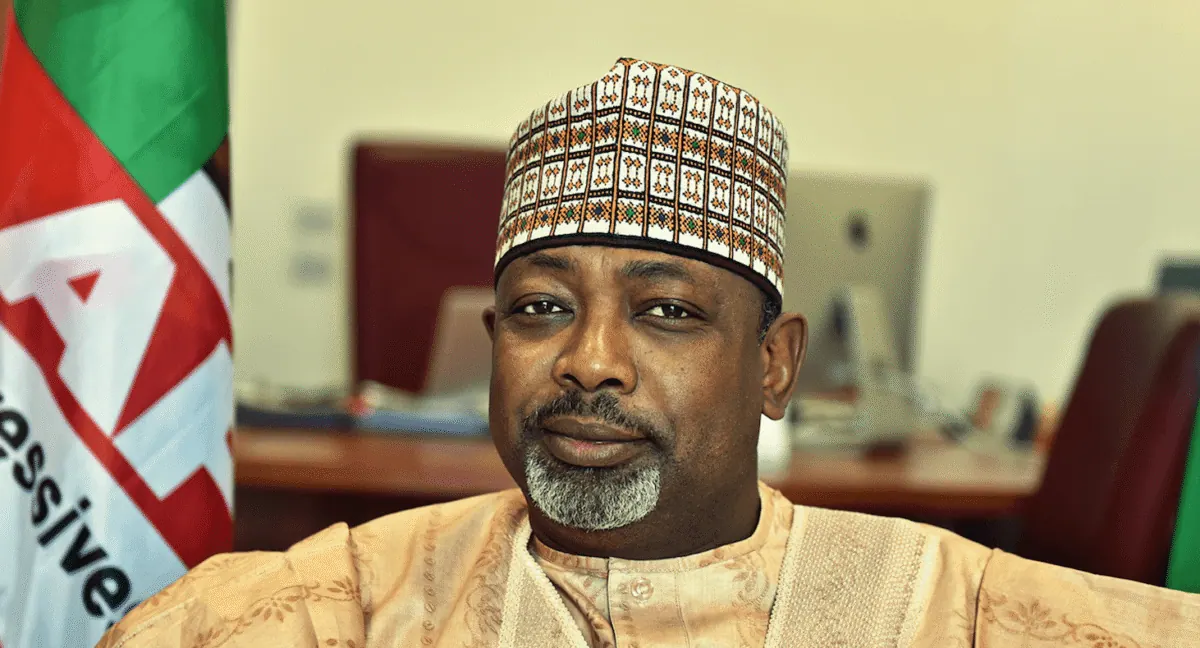
The Federal Government of Nigeria has emphasized the need to urgently rebuild the country's agricultural extension system into a sustainable infrastructure. This call was made by the Minister of Agriculture and Food Security, Senator Abubakar Kyari, at the Africa Agribusiness Extension Summit 2026 in Abuja. The summit, organized by Extension Africa, brought together stakeholders to discuss strengthening agricultural advisory systems across the continent.
According to Kyari, Nigeria cannot rely solely on expanding farmland to feed its growing population; instead, improved productivity is crucial. This can be achieved by providing farmers with the right knowledge at the right time. The minister noted that the country's agricultural extension system has evolved significantly since the early 20th century but currently faces challenges.
The summit's background document identified the central challenge as the fragmented and difficult-to-scale nature of agricultural advisory services. Despite growing investments in agricultural productivity, food security, and farmer resilience, a sustainable advisory infrastructure is needed. This infrastructure would require coordinated investment in four interconnected pillars: people, data, technology, and partnerships.
Kyari recalled that during the period when Agricultural Development Projects (ADPs) operated with World Bank support, one extension agent served about 1,000 to 1,500 farm families. However, the situation has changed, with one extension agent now expected to serve between 5,000 and 10,000 farmers. He advocated for a transition from extension as a conventional government service to an enduring infrastructure combining professional expertise, technology, data, and partnerships.
The Federal Government has started deploying digital tools to bridge the gap between extension agents and farmers. Over 100,000 farmers in six states receive weekly text messages on expected rainfall and measures to protect their crops. A digital agricultural extension platform is being rolled out, providing advice in Hausa, Igbo, Yoruba, and Pidgin. Additionally, over 1,000 digital extension agents equipped with tablets have been deployed, and 774 agricultural desk officers are serving across local government areas.
Kyari stressed the importance of coordinated advice for farmers, citing recent investments by state governments in strengthening agricultural extension. Jigawa, Kano, and Oyo states have made significant investments, including recruiting and training additional extension agents and approving motorcycles to improve mobility. The minister also called for efforts to make agricultural extension attractive to young professionals and ensure that women farmers are directly reached by advisory services.
The urgency of strengthening extension services is linked to Africa's rapidly growing population, projected to reach about 2.5 billion by 2050. For Nigeria, the challenge is even more immediate, with the population projected to approach 400 million by 2050. Agriculture accounts for approximately 34% of total employment in Nigeria, and access to extension services is associated with improved household welfare and reduced food insecurity among farming households.
Key points
- The Nigerian government is rolling out digital tools to support farmers, including a digital agricultural extension platform and over 1,000 digital extension agents equipped with tablets.
- The minister emphasized the need for coordinated investment in people, data, technology, and partnerships to build a sustainable advisory infrastructure.
- Nigeria's population is projected to approach 400 million by 2050, placing greater pressure on its agricultural systems.