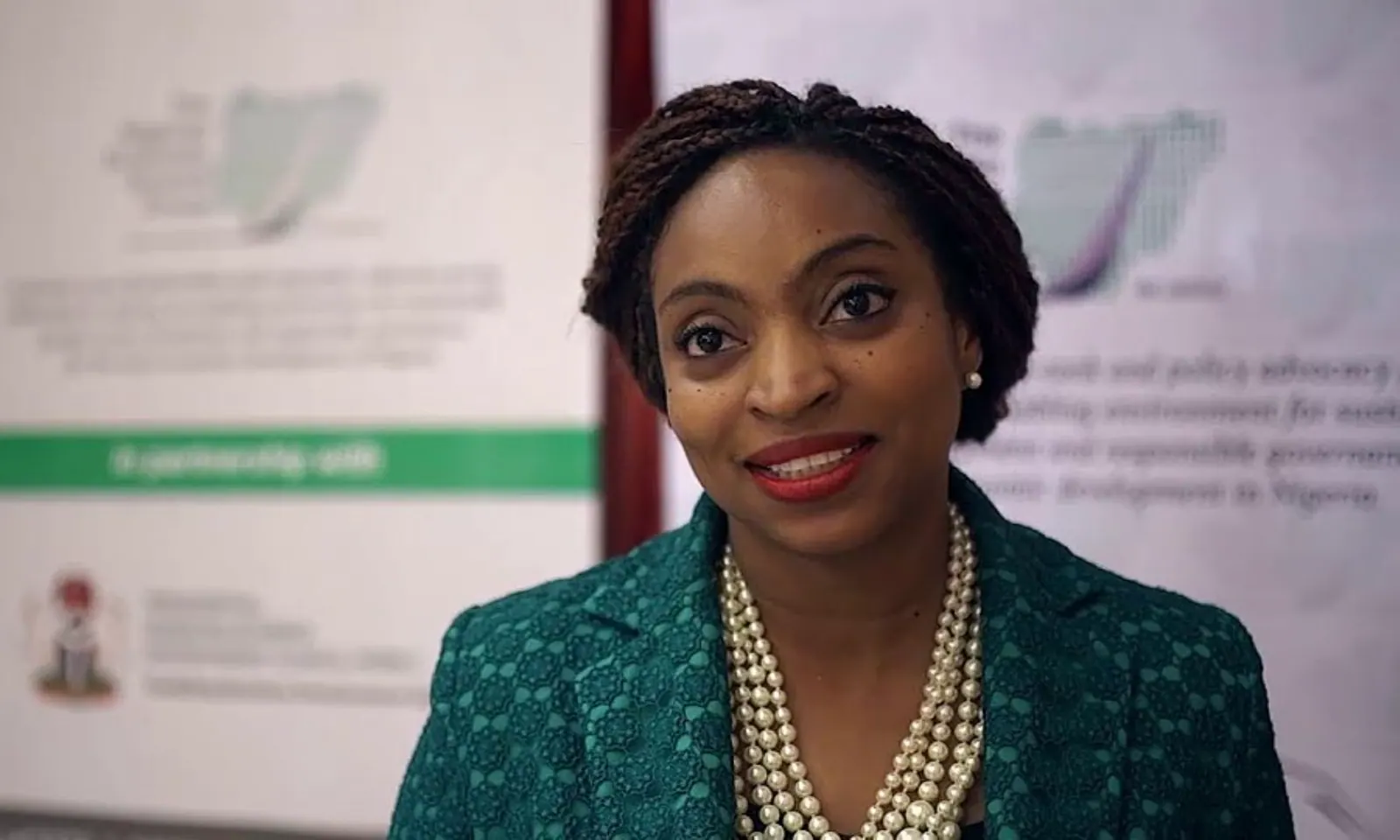
The Federal Government of Nigeria has initiated a move to strengthen coordination within the country's Special Economic Zones (SEZs) in a bid to boost production capacity and accelerate the nation's non-oil export drive. This development comes as the government expresses concerns over the increasing diversion of goods produced within free zones into Nigeria's customs territory. Minister of Industry, Trade and Investment, Dr. Jumoke Oduwole, disclosed this at a stakeholders' meeting on SEZs, highlighting the need for a more robust regulatory framework.
Dr. Oduwole identified the ongoing tax reform process as a critical policy development with significant implications for Nigeria's SEZ ecosystem. The current tax regime has created an uneven competitive environment for manufacturers operating within the customs territory, who are subject to the full domestic tax regime. The Minister emphasized that the government's concern is the diversion of goods produced within free zones into Nigeria's customs territory while operators continue to enjoy fiscal incentives designed primarily to support export-oriented activities.
In February 2025, Dr. Oduwole committed her ministry to aligning fiscal, monetary, and trade policies to ensure Nigeria's zones remain globally competitive. This stakeholder engagement forms part of the delivery process that has been ongoing since then. Following the February 2025 engagement, the ministry embarked on extensive consultations with the legislative and executive arms of government, as well as private sector stakeholders, during the development of the tax reform process.
The engagements aimed to ensure that the impact of the tax legislation on the SEZs scheme aligns with their goals, particularly their focus on diversifying the economy through increased non-oil exports. In February 2026, Dr. Oduwole convened the directors of the Federal Ministry of Industry, Trade and Investment's Legal Services and Commodities and Export Departments, the managing directors of both authorities overseeing the zones, and their respective teams.
The meeting led to the inauguration of the SEZs Legislative and Regulatory Reform Committee, which has produced three key regulatory instruments. These include the Nigeria Export Processing Zones Authority Regulations and Operational Guidelines for Free Zones in Nigeria, 2025; the Nigeria Export Processing Zones (Domestic Sales, Fiscal Alignment and Customs Treatment) Regulations, 2026; and the Oil and Gas Export Free Zones (Domestic Sales, Fiscal Alignment and Customs Treatment) Regulations, 2026.
Dr. Oduwole urged stakeholders to collectively oppose practices that could undermine the integrity of the free zones scheme, including the diversion of goods, mispricing of related-party transactions, understating domestic sales, and presenting businesses operating in the customs territory as zone-based enterprises. She warned that these unsavoury practices are not victimless and are damaging the reputation, bringing the entire scheme at risk, particularly under the new tax regime.
Dr. Oduwole assured investors and operators that the Ministry would continue to protect investments and defend the competitiveness of the SEZ scheme. However, she stressed that compliance with the applicable regulations is a prerequisite for the government's continued defence of the scheme. The Ministry can only defend a clean scheme, she emphasized.
Key points
- The Nigerian government is strengthening coordination within Special Economic Zones (SEZs) to boost production capacity and accelerate the country's non-oil export drive.
- The government has identified the diversion of goods produced within free zones into Nigeria's customs territory as a major concern.
- The Ministry of Industry, Trade and Investment has produced three key regulatory instruments to regulate SEZs and prevent unsavoury practices.