The Nigerian government has initiated a move to enhance cooperation between the country's civil and military aviation authorities. This decision comes in the wake of a recent aircraft crash at Igbokoda, Ondo State, involving a Nigerian Air Force plane. The crash has prompted the government to re-examine the existing safety protocols and seek a more integrated approach to aviation safety.
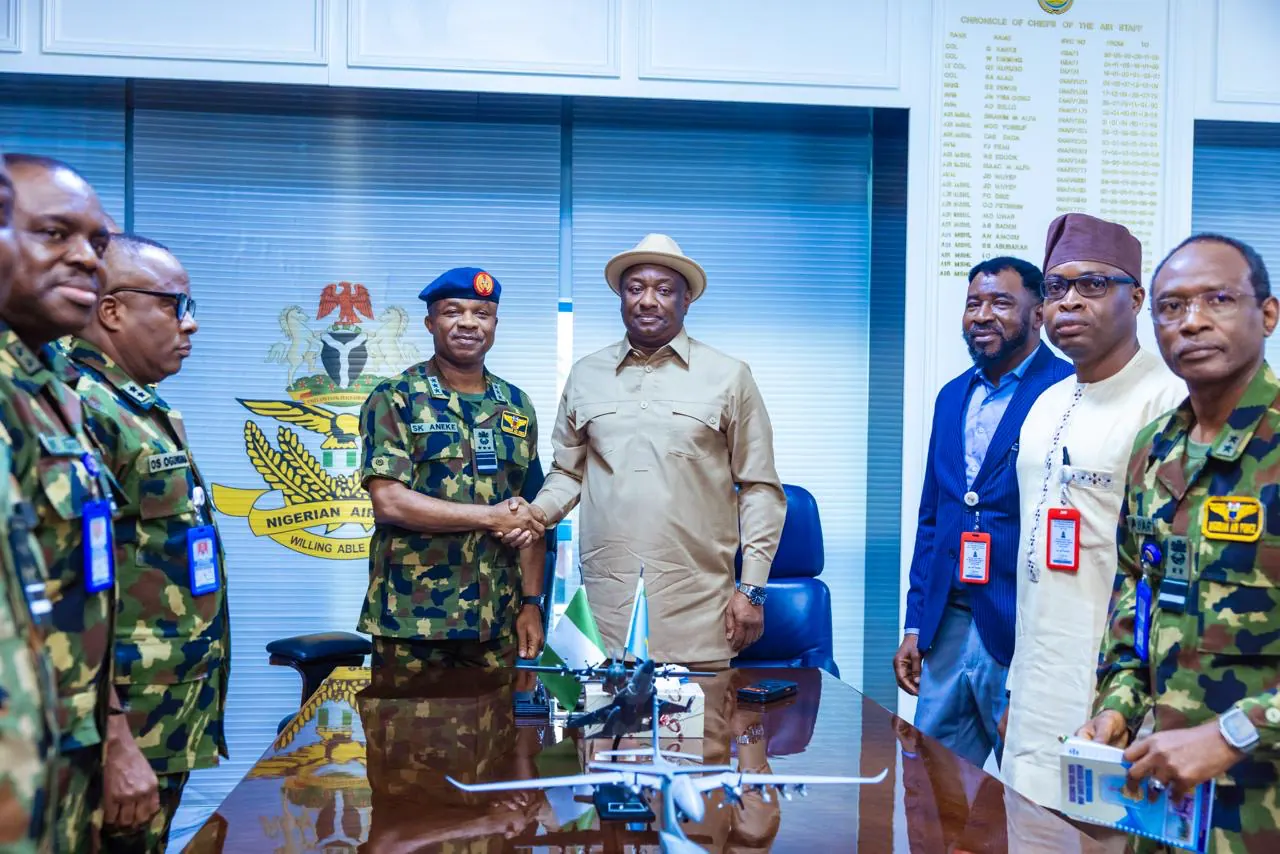
Festus Keyamo, the minister of aviation and aerospace development, and Sunday Kelvin Aneke, the chief of air staff, have agreed on a new framework to strengthen cooperation between the Nigerian Civil Aviation Authority (NCAA) and the Nigerian Air Force (NAF). This framework is expected to cover critical areas such as airworthiness, certification, training, and safety. The proposed collaboration aims to narrow the longstanding separation between civil and military aviation on matters of safety and technical capacity.
Keyamo emphasized that the tragedy at Igbokoda underscores the need for closer cooperation between the civil and military aviation sectors. He noted that disasters in either sector can have far-reaching consequences, affecting not just the immediate victims but also the broader community. The minister highlighted the existing relationship between the two sectors, where the Nigerian Air Force relies on civil aviation infrastructure, including air traffic control.
A key aspect of the proposed cooperation involves the establishment of a joint committee comprising representatives from the NCAA and NAF. This committee will facilitate collaboration in areas such as airworthiness, certification, training, and other safety-related fields. Additionally, NAF personnel will be allowed to participate in relevant training programs undertaken by civil aviation authorities, enhancing their professional capacity.
Keyamo also acknowledged that the Air Force possesses specialized expertise that could benefit the civil aviation sector. He described the proposed arrangement as a symbiotic relationship, where both sectors can exchange knowledge and technical capacity to enhance aviation safety. This cooperation is expected to lead to improved information sharing, technical cooperation, and safety coordination between the country's civil and military aviation authorities.
Aneke welcomed the initiative, emphasizing that closer collaboration between the two sectors would strengthen aviation safety and technical capacity. He noted that discussions have already begun on a framework that would allow personnel from the civil aviation sector to contribute to the Air Force's safety environment. The chief of air staff also stressed that the civil and military aviation authorities share a common responsibility to protect Nigerians.
The new framework is expected to have a positive impact on the country's aviation sector, enhancing safety and technical capacity. With improved cooperation and information sharing, the government aims to prevent similar tragedies in the future. The initiative has been hailed as a positive step towards aligning military and civil aviation standards in Nigeria.
Key points
- The Nigerian government has initiated a move to enhance cooperation between civil and military aviation authorities following a recent air crash.
- A new framework has been proposed to cover critical areas such as airworthiness, certification, training, and safety.
- The proposed cooperation involves the establishment of a joint committee comprising representatives from the NCAA and NAF.