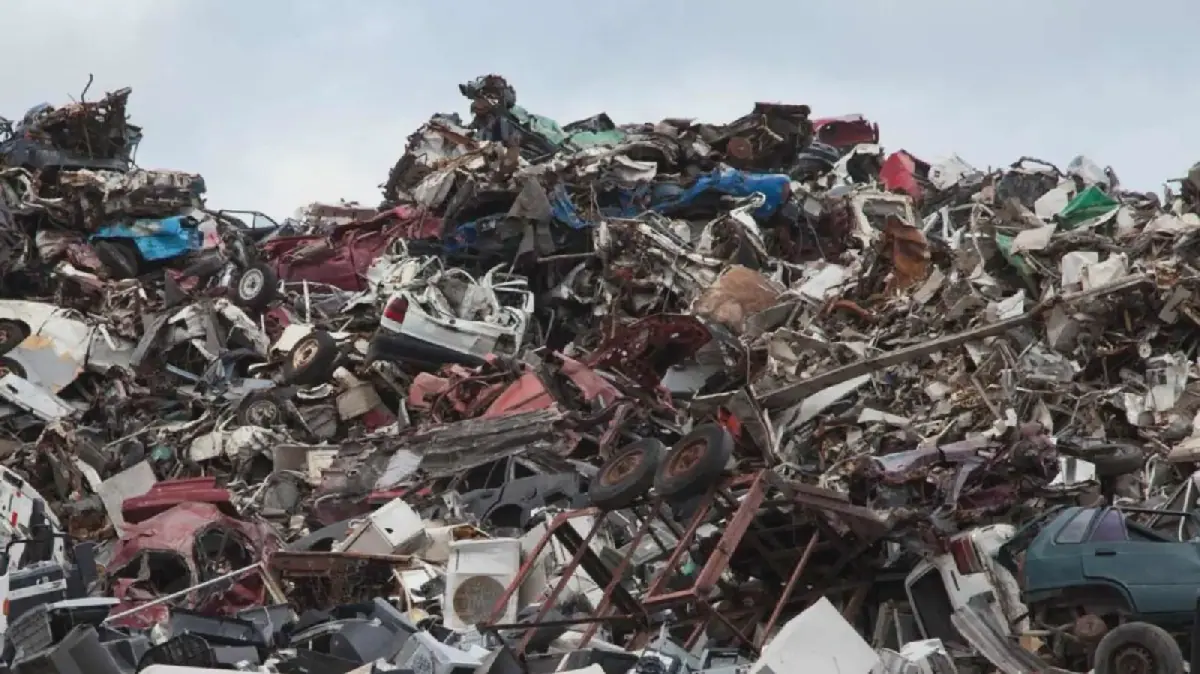
The Federal Government of Nigeria has intensified efforts to sanitize the country's scrap metal industry and curb the theft and vandalism of critical infrastructure. The proposed Scrap Metal (Collection, Trading, Recycling and Regulation) Regulations, 2026, aim to establish a transparent, organized, and sustainable scrap metal value chain that supports local steel production, industrialization, and economic growth. This move is expected to strengthen Nigeria's steel and metals manufacturing sector.
The Minister of Steel Development, Prince Shuaibu Abubakar Audu, disclosed this through the Director, Metallurgical Raw Material Development and Investment Promotion Department, Ime Eprikpo, at a stakeholders' engagement in Lagos. The two-day engagement, themed "Sustainable Scrap Metal Management through Effective Metallurgical Regulation: From Policy to Real Impact," brought together industry operators, government institutions, and stakeholders to validate the draft regulations. The Minister explained that scrap metal remains a critical raw material for steel making, foundry operations, and other metal manufacturing activities.
According to the Minister, poorly regulated scrap metal activities encourage the theft and vandalism of public and private infrastructure, unsafe dismantling practices, environmental degradation, and economic losses. He noted that these benefits can only be fully realized through an effective regulatory framework that ensures lawful sourcing, safe handling, transaction traceability, and reliable supply of scrap materials to legitimate industrial users. The proposed regulations would provide a structured framework for licensing and supervising operators, regulating collection and aggregation facilities, and ensuring transaction traceability.
The Minister emphasized the importance of accommodating small-scale operators within the regulatory framework, noting that thousands of Nigerians depend on scrap metal collection and trading for their livelihoods. The regulations would provide a practical pathway towards formalization, with requirements proportional to the scale and risks of different operations. This move is expected to create employment opportunities and stimulate economic activities across the collection, transportation, processing, and recycling value chain.
Prince Audu expressed concern over the persistent theft and vandalism of metallic components of public infrastructure, including electrical cables, railway components, and manhole covers. He stressed that such activities go beyond the loss of metallic materials, as they disrupt public services, compromise safety, increase maintenance costs, and undermine national infrastructure development. The Minister called for stronger supplier identification, verification of material sources, reliable transaction records, and enhanced collaboration with relevant security and law enforcement agencies.
The validation exercise provides an important opportunity for industry operators, government institutions, environmental and security agencies, professional bodies, and other stakeholders to critically examine the draft regulations and offer practical recommendations. The Minister urged participants to make constructive and specific submissions, particularly on provisions requiring clarification, operational implications, and potential implementation challenges. The Ministry would give due consideration to submissions received during the consultation process.
The Federal Government remains committed to building a competitive, sustainable, and globally relevant steel and metals industry through policies and regulatory interventions that encourage investment, protect national assets, promote responsible industrial practices, and strengthen local manufacturing capacity. A well-regulated scrap metal industry is fundamental to achieving this objective, given its strategic role in providing essential raw materials for steel production, promoting resource efficiency, and creating employment opportunities.
Key points
- The proposed regulations aim to establish a transparent, organized, and sustainable scrap metal value chain that supports local steel production, industrialization, and economic growth.
- The regulations would provide a structured framework for licensing and supervising operators, regulating collection and aggregation facilities, and ensuring transaction traceability.
- A well-regulated scrap metal industry is expected to create employment opportunities, stimulate economic activities, and promote responsible industrial practices.
Reporting sources
- The Guardian · The Guardian