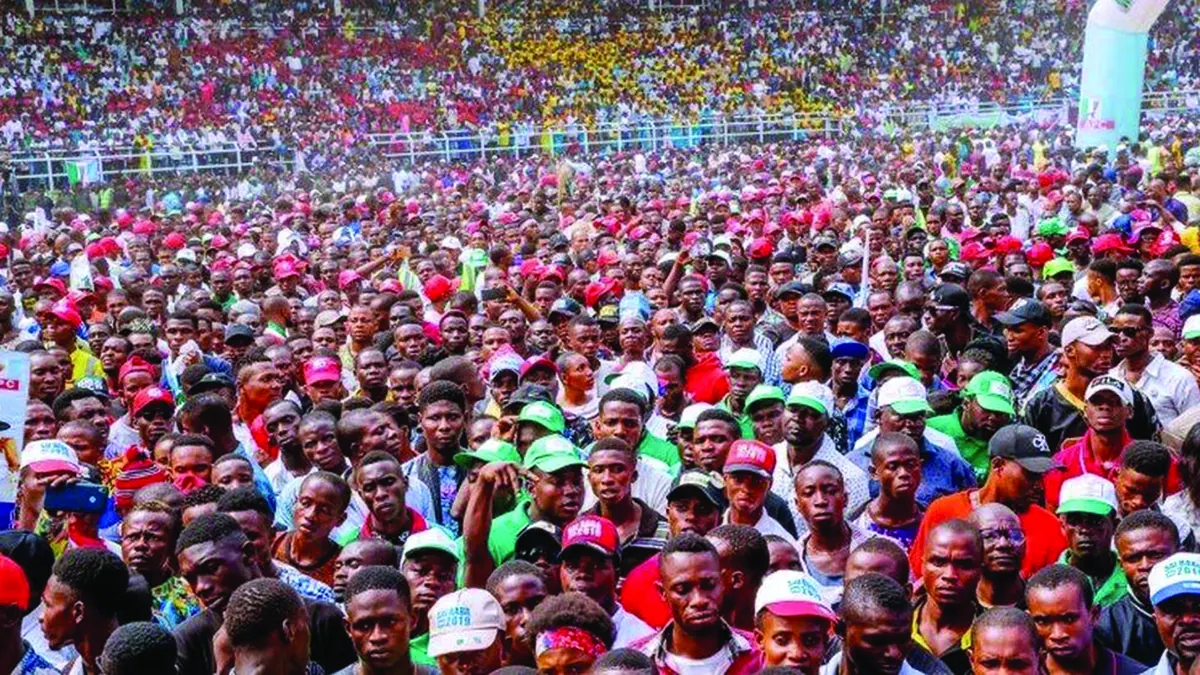
As Nigeria marks its 66th independence anniversary, the celebrations are overshadowed by the harsh reality of survival. Soaring living and business costs, shrinking incomes, and inadequate palliatives have left millions questioning what there is to celebrate. Despite improvements in some economic indicators, the population judges economic progress by what remains in their pockets after paying for essential expenses.
The economy is showing signs of emerging from the turbulence triggered by the removal of the petrol subsidy and foreign exchange reforms. Headline inflation moderated to 15.39 per cent in August 2026, while the Centre for the Promotion of Private Enterprise noted that real GDP growth strengthened from 3.38 per cent in 2024 to 3.87 per cent in 2025 and reached 4.43 per cent year-on-year in the second quarter of 2026.
However, macroeconomic stabilisation has yet to translate sufficiently into household recovery. A decline in inflation does not mean prices have returned to previous levels, but rather that they are increasing more slowly. This distinction is crucial to understanding why improving economic statistics have generated little excitement among ordinary Nigerians.
The Lagos Chamber of Commerce and Industry acknowledged encouraging signs of stabilisation but stressed that recovery would ultimately be judged by improved welfare, stronger purchasing power, lower production costs, and more jobs. The Chamber's President, Mr. Leye Kupoluyi, noted that essential expenses such as food, transportation, housing, healthcare, education, and energy continued to consume an increasing proportion of disposable income.
The pressure on households is vividly illustrated by energy prices, with petrol selling at about N1,430 per litre or higher in major cities. The Nigeria Labour Congress argued that transportation costs had become a major transmission mechanism for inflation. The consequences extend beyond filling stations, affecting farmers, manufacturers, traders, commercial transporters, and workers.
Businesses are equally severely affected, with the Lagos Chamber of Commerce and Industry reporting diesel above N2,000 per litre in parts of the country. Manufacturers and MSMEs continue to contend with high electricity, logistics, and financing costs, imported raw materials, regulatory expenses, and multiple taxes.
Ultimately, the muted celebrations and subdued mood reflect the disconnect between economic progress and the reality on the ground. As the government points to improvements in economic indicators, ordinary Nigerians are more concerned with the impact on their daily lives, and it remains to be seen when macroeconomic stabilisation will translate into tangible benefits for households and businesses.
Key points
- Soaring living and business costs, shrinking incomes, and inadequate palliatives have left millions questioning what there is to celebrate on Nigeria's 66th independence anniversary.
- Despite improvements in some economic indicators, macroeconomic stabilisation has yet to translate sufficiently into household recovery.
- The pressure on households and businesses is largely driven by energy prices, with petrol and diesel prices having a ripple effect on transportation, logistics, and other essential expenses.