Nigeria marked the 66th anniversary of its independence on October 1, 2026, with citizens reflecting on the country's progress and challenges. Despite being a heterogeneous nation with over 250 ethnic groups, Nigeria has survived threats of disintegration and achieved a measurable level of integration. The country has grown in leaps and bounds, with 36 states and 776 local governments, and a significant increase in the number of universities, from one in 1948 to 312 currently.
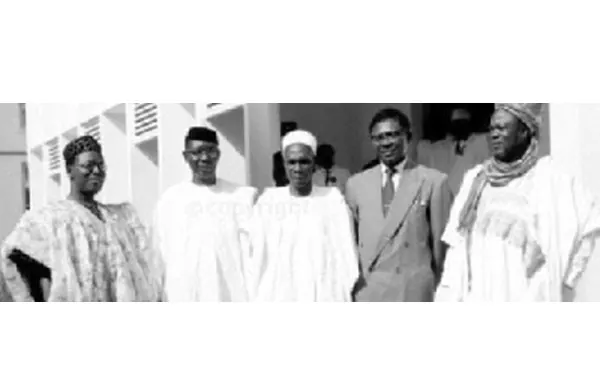
The journey to independence was not easy, with Nigerians fighting for freedom from colonial rule. The country gained independence from Britain on October 1, 1960, with Sir Abubakar Tafawa Balewa as Prime Minister and Nnamdi Azikiwe as Governor-General. Nigeria became a federal republic in 1963, cutting ties with the British monarchy. However, the country was plunged into a civil war in 1967, which lasted for 30 months and resulted in significant loss of life and property.
Nigeria's post-independence history has been marked by milestones, including military coups and transitions to civilian rule. The country experienced its first military coup on January 15, 1966, which resulted in the deaths of Prime Minister Balewa and regional leaders. The military rule that followed was marked by a series of coups, with General Olusegun Obasanjo handing power back to civilians in 1979. However, the Second Republic was short-lived, and military rule returned in 1983.
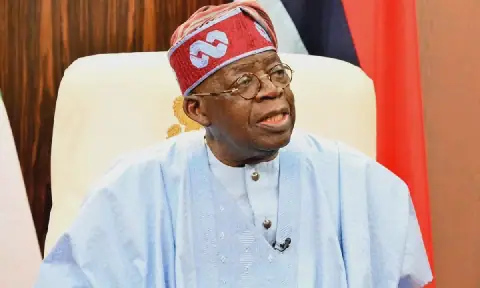
The country's transition to democracy in 1999 marked a significant milestone, with Chief Olusegun Obasanjo sworn in as civilian president. However, the regime was criticized for not addressing the requirements of federalism through restructuring. The current government, under President Tinubu, is grappling with challenges such as mass unemployment, inflation, and insecurity. The president has promised to address these challenges and usher in an era of shared prosperity.
Despite the challenges, Nigeria remains a promising country in Africa, described as a "crawling giant" by critics. The country's economy has the potential for growth, and good governance could lead to a brighter future. The solution to Nigeria's challenges lies in addressing issues such as the modalities for sharing political power and economic resources. The concept of zoning and true federalism have been proposed as solutions to these challenges.
The country's infrastructure is also in need of attention, with complaints about poor power supply and infrastructural decay. Nigeria, as the sixth largest producer of oil, does not have a refinery of its own. The accurate census figure is also unknown, but the population is estimated to be around 120 million. The government is working to address these challenges and provide a better life for citizens.
As Nigeria looks to the future, the government and citizens are working towards democratic consolidation. The phase of democratic consolidation would affirm the survival of the country and herald economic progress, leading to prosperity for citizens. The journey to democratic consolidation has been long and tortuous, but Nigerians remain hopeful for a brighter future.
Key points
- Nigeria has made significant progress in its journey to independence and democratic consolidation.
- The country still faces challenges such as mass unemployment, inflation, and insecurity.
- Good governance and addressing issues such as federalism and restructuring could lead to a brighter future for Nigeria.