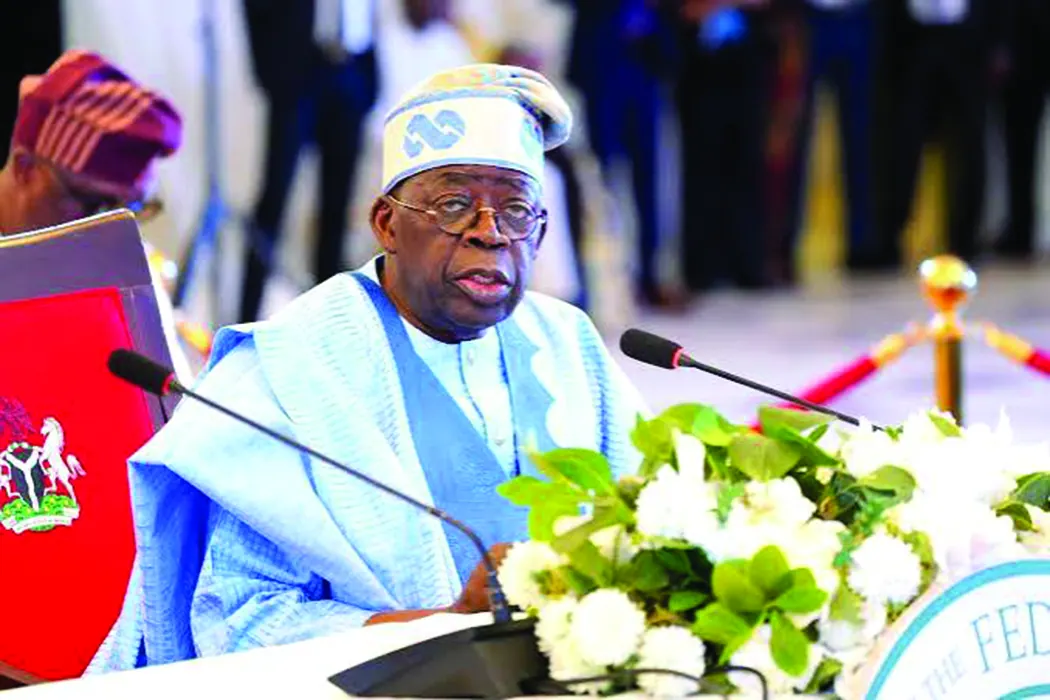
Nigeria marked 66 years of independence from British colonial rule last Thursday, with the usual tradition of offering special prayers in mosques and churches across the country for peace, unity, and national stability. The occasion was marked by President Bola Tinubu's acknowledgement of the country's problems, including exacerbating poverty, and his vow to tackle them. Nigeria's history has been characterised by democracy, economic prowess, military takeovers, civil war, corruption, and protests amid the strive for development.
Despite the federal government's emphasis on economic reforms, poverty, food insecurity, and pressure on household incomes remain serious concerns. According to the International Monetary Fund (IMF), 63 per cent of Nigerians were living below the national poverty line in June, while an estimated 27 million Nigerians faced food insecurity in late 2025. The country's economic growth has been stunted, with comparisons to other countries revealing Nigeria's stunted growth. Countries like Malaysia, Indonesia, and South Korea, which shared the same levels of economic indices in the 1960s, have become industrial and economic powerhouses.
Once nicknamed the "Giant of Africa," Nigeria had stood out for its impressive figures – population, landmass, language diversity, economic potential, and abundant natural resources – putting it ahead of most other African nations. However, many of these figures have diminished when viewed through the data lens. The country's overreliance on petroleum exports stunted diversification, with manufacturing remaining shallow, currently contributing an average of three per cent to the country's GDP. Agriculture is undercapitalised, and infrastructure gaps limit productivity.
At the heart of Nigeria's paradox is its long history of missed opportunities. A country endowed with oil, gas, fertile land, minerals, and one of the most vibrant youth populations in the world has repeatedly fallen short of expectations. The country's infrastructural development remains stunted, especially in critical areas like electricity, healthcare, and transportation. Despite its oil wealth, Nigeria generates just 4,000 to 5,000 MW of electricity, far below the demand of over 28,000 MW for a population of over 200 million people.
Energy poverty remains one of Nigeria's most pressing yet under-discussed issues, leaving millions without reliable power, stunting economic growth and productivity. The country's healthcare system also faces significant challenges, with inadequate facilities and equipment. The transportation sector is also underdeveloped, with poor road networks and inadequate public transportation systems.
President Tinubu's administration has emphasised economic reforms, including efforts to diversify the economy and improve infrastructure. However, the country's progress has been slow, with many Nigerians expressing frustration with the government's efforts. The country's security situation also remains a major concern, with high levels of crime and insecurity in many parts of the country.
As Nigeria looks to the future, there is a growing recognition of the need for significant reforms to address the country's many challenges. The government will need to work with stakeholders, including civil society organisations and the private sector, to develop and implement effective solutions. With the right policies and strategies in place, Nigeria has the potential to overcome its current challenges and achieve sustainable economic growth and development.
Key points
- Nigeria's economic growth has been stunted, with 63 per cent of Nigerians living below the national poverty line.
- The country's overreliance on petroleum exports stunted diversification, with manufacturing remaining shallow.
- Energy poverty remains one of Nigeria's most pressing yet under-discussed issues.