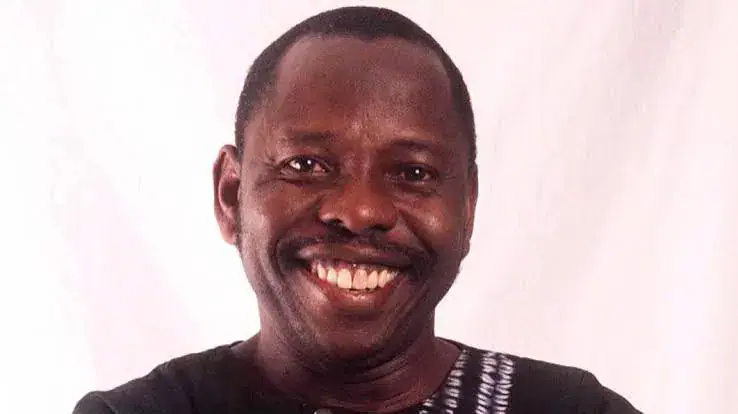
Today, Nigeria marks a somber anniversary, 31 years since the execution of renowned writer and environmental rights campaigner, Ken Saro-Wiwa. On November 10, 1995, Saro-Wiwa, along with eight other Ogoni activists, was hanged under the military rule of General Sani Abacha. The trial, widely condemned as a sham, was a response to their challenge against environmental devastation and economic injustice in the Niger Delta.
The Ogoni 9, as they came to be known, were accused of murder, a charge many believe was trumped up to silence them. Their crime was daring to challenge the environmental damage caused by decades of oil exploration and exploitation in their homeland. The execution was carried out on a day when the nation's attention was diverted by a football match, and the news sparked widespread indignation across the world.
The international community isolated Nigeria following the executions, until the country began efforts to return to civil rule in 1999. Despite this, successive administrations have been criticized for not addressing the core issues raised by Saro-Wiwa. Instead, they have been accused of applying cosmetic solutions to divert attention from the real problems. This raises questions about Nigeria's commitment to justice and sustainable development in the Niger Delta.
In an effort to address some of these issues, the federal government launched the Hydrocarbon Pollution Remediation Project (HYPREP) in June 2016. This followed the United Nations Environment Programme (UNEP) report findings on Ogoniland, which highlighted the extent of environmental damage. HYPREP aims to clean up contamination and restore damaged ecosystems. The project has established some infrastructural projects, including hospitals, potable water, and environmental research centers.
Under HYPREP, some progress has been made, but many challenges remain. The project has commenced the development of a new five-year Strategic Plan, 2026-2031, focusing on completing outstanding projects and sustaining restored ecosystems. Minister of Environment and Chairman of HYPREP Governing Council, Balarabe Lawal, recently discussed the 10th anniversary of HYPREP, highlighting efforts to address the environmental and health impacts of oil activities.
The legacy of Ken Saro-Wiwa continues to resonate, with many questioning whether Nigeria has made sufficient progress in addressing the issues he raised. The execution of Saro-Wiwa and the Ogoni 9 remains a painful reminder of the country's history of suppressing environmental activism. As Nigeria moves forward, it faces the challenge of balancing economic development with environmental sustainability and social justice.
As the nation reflects on the anniversary, there is a renewed call for action to address the environmental and economic challenges facing the Niger Delta. The story of Ken Saro-Wiwa serves as a reminder of the importance of protecting environmental rights and promoting sustainable development. The government's efforts through HYPREP are a step in the right direction, but more needs to be done to ensure justice and sustainability for the people of the Niger Delta.
Key points
- The execution of Ken Saro-Wiwa and the Ogoni 9 was a pivotal moment in environmental rights history, highlighting the need for sustainable development and environmental justice in the Niger Delta.