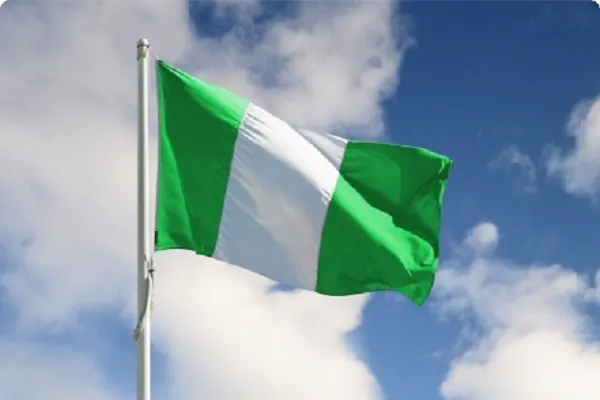
Nigeria marked 66 years of independence from colonial rule on October 1, 2026, and 27 years of uninterrupted democracy in the Fourth Republic. The celebrations were bittersweet, with citizens reflecting on the country's progress. Despite enjoying 27 years of democracy, Nigerians have experienced deteriorating social and economic indices across successive administrations. The country's performance has been disappointing, with citizens facing brutal national security, increasing poverty, starvation, and unemployment.
The Fourth Republic has witnessed critical transitions from one democratically elected government to another, with changes in power from one party to another and opposition parties upstaging incumbent presidents, governors, and legislators. Citizens have increasingly engaged governments on politics, economy, social justice, and unity. The ability of citizens to question government strategies, policies, and actions has increased, a significant departure from the 1970s, 1980s, and 1990s during the military interregnum.
The political landscape has broadened, and Nigerians' political consciousness has evolved, reaching its highest point during the 2023 general elections. Citizens are demanding good governance and know the power of their votes. However, the quality of governance must improve with tangible impacts on the economy, politics, and society. Nigerians are tired of promises and excuses, and patience is wearing thin after 25 years of waiting for improvements.
The press has played a critical role in Nigeria's evolution and democracy, informing, influencing, and pressuring governments for positive change. The first newspaper in Nigeria, Iwe Irohin, was published in 1859 by the British with the CMS Press in Abeokuta. The Nigerian press commenced operations with professionalism in July 1921, introduced by Ernest Sisei Ikoli, the first Nigerian newspaper editor.
The fourth estate has been a pillar of Nigeria's independence and pursuit of a better nation. Vanguards like Nnamdi Azikiwe, Chief Obafemi Awolowo, and Mallam Aminu Kano have made significant contributions, with some paying the ultimate price. The media's advocacy work during the proto-professional era of journalism, between 1914 and 1921, initiated campaigns for constitutional development, leading to Nigeria's independence.
Eminent Nigerians, including intellectuals, journalists, academics, medical doctors, and engineers, have contributed to nation-building. Some notable figures, such as Chief MKO Abiola, President Bola Ahmed Tinubu, and Chief Segun Osoba, have been mentioned in writing and verbally, echoing across Nigeria and globally. Their contributions will be etched in recorded history.
Despite 27 years of democracy, Nigeria has yet to achieve consistent and sustainable socio-economic growth. Peace, stability, and prosperity are threatened, and the country is polarised along tribal, ethnic, religious, and regional lines. The way forward is increased citizen participation in democratic processes, especially voting during elections, to ensure free, fair, and credible elections.
Key points
- The country's performance has been disappointing, with citizens facing brutal national security, increasing poverty, starvation, and unemployment.
- The press has played a critical role in Nigeria's evolution and democracy, informing, influencing, and pressuring governments for positive change.
- Increased citizen participation in democratic processes is necessary to ensure free, fair, and credible elections and achieve sustainable socio-economic growth.