The Nigeria Sovereign Investment Authority (NSIA) has launched a $300 million Distributed Renewable Energy (DRE) Fund to support large-scale commercial deployment of distributed power projects in Nigeria. The fund, led by NSIA and Africa50, aims to mobilize capital for distributed renewable energy projects, including mini-grids and standalone solar systems, particularly in underserved communities. This initiative marks a significant shift from limited interventions to commercial deployment of renewable energy projects.
The DRE Fund is a collaborative effort between NSIA, Africa50, Sustainable Energy for All (SEforALL), the World Bank, and the International Solar Alliance. The fund is designed to provide financing for distributed renewable energy projects, addressing the inadequate or unreliable grid supply that constrains businesses and communities. By deploying capital into projects, the fund aims to expand electricity access and deliver reliable power to households, businesses, and communities.
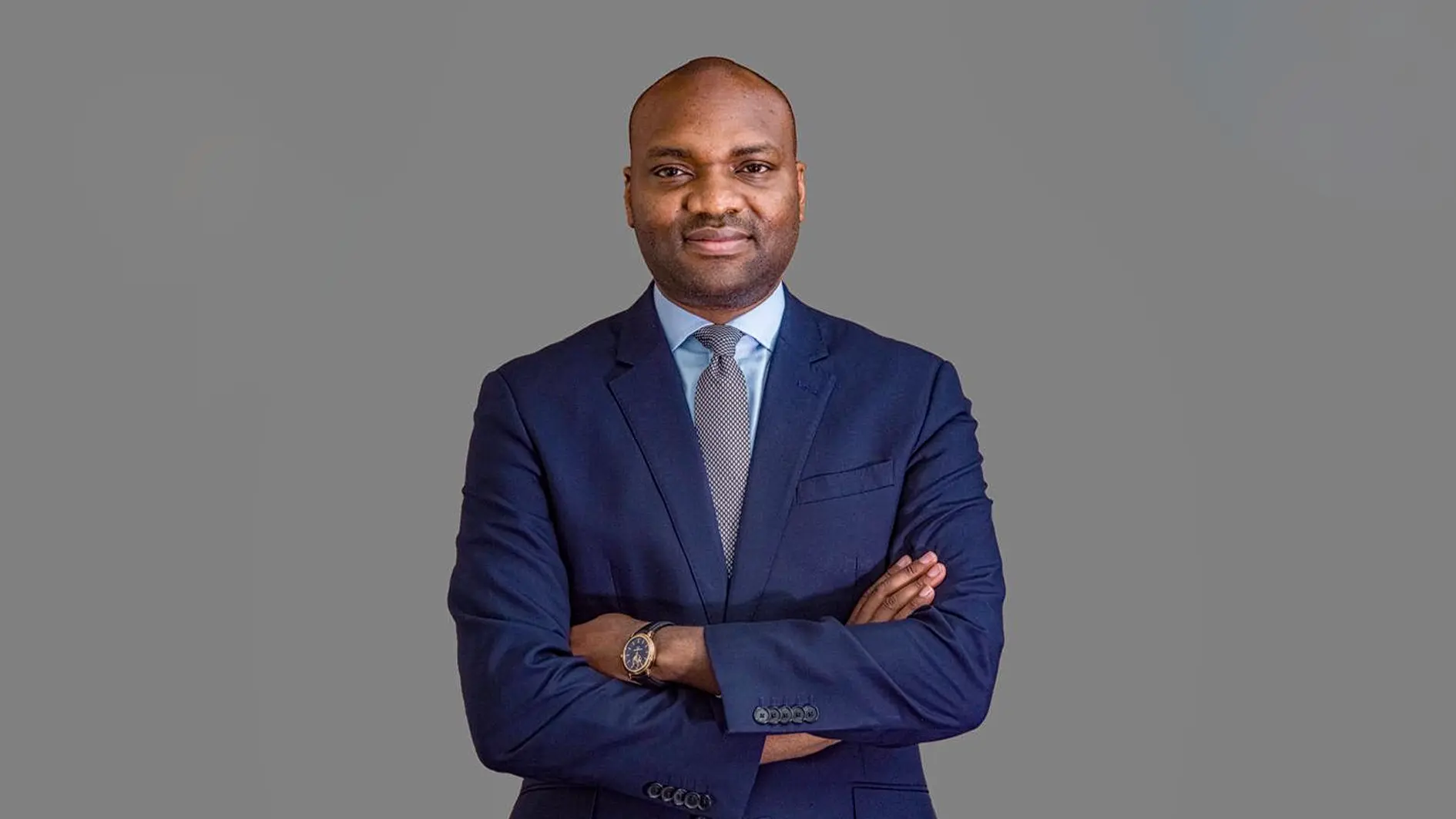
The economic significance of the fund lies in its potential to reduce dependence on diesel and petrol generators, lower operating costs, and enable longer production hours for businesses. In rural communities, mini-grids and standalone solar systems could support productive activities that are difficult to sustain without reliable power. According to NSIA Managing Director and Chief Executive Officer, Aminu Umar-Sadiq, the launch indicates that Nigeria's distributed renewable energy market has reached a stage capable of attracting capital and operating at scale.
The DRE Fund is positioned as Nigeria's country-level vehicle under the broader Mission 300 programme, which seeks to connect 300 million people across Africa to electricity by 2030. The fund's structure is particularly relevant to areas where extending conventional grid infrastructure remains difficult or uneconomic. Africa50 Group Chief Executive Officer, Alain Ebobissé, highlighted the platform's unique combination of NSIA's local-market knowledge, Africa50's investment and fund-management capabilities, SEforALL's energy-access expertise, and the World Bank's global energy experience and catalytic capital.
The World Bank has contributed $25 million to the fund through its International Development Association (IDA), reflecting its commitment to blending different sources of finance and supporting actual electricity connections. SEforALL Chief Executive Officer and UN Secretary-General's Special Representative for Sustainable Energy for All, Damilola Ogunbiyi, emphasized that the fund would provide a financing mechanism for scaling distributed renewable energy and translating Mission 300 into investments and electricity connections.
The International Solar Alliance's Director General, Ashish Khanna, described the Nigerian platform as a potential demonstration model for other African countries, particularly because it combines public finance, private-sector participation, and investment structures. The launch of the DRE Fund marks a significant milestone in Nigeria's efforts to expand electricity access and promote sustainable energy development.
The success of the DRE Fund will depend on its ability to deliver reliable power to households, businesses, and communities, and to mobilize capital for distributed renewable energy projects. With the support of international partners, including the World Bank and SEforALL, the fund is poised to make a significant impact on Nigeria's energy landscape and contribute to the country's economic development.
Key points
- The fund aims to connect 300 million people across Africa to electricity by 2030.
- The DRE Fund combines public finance, private-sector participation, and investment structures.
- The World Bank has contributed $25 million to the fund through its International Development Association (IDA).