Nigeria's annual fish consumption stands at over three million metric tonnes, however, the country produces less than this amount, resulting in a significant import gap. According to Dera Nnadi, a Trade Maritime Consultant and Chief Consulting Officer at Port Protocols Limited, Nigeria imports approximately two million metric tonnes of fish every year. This substantial import volume aims to bridge the gap between domestic production and consumption.
The import gap arises from Nigerians' high demand for fish, with the country's fish economy valued at around N25 trillion. Nnadi, a former Deputy Comptroller-General of Customs, highlighted that this considerable economic value underscores the sector's importance to the national economy. Moreover, Nigeria's fish economy extends beyond domestic consumption, as the country also exports ornamental fish species, contributing to economic development.
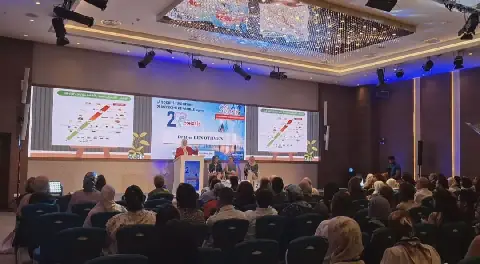
The ornamental fish species, numbering over 18 special types, are exported and add to Nigeria's economic growth. At the National Conference on Sustainable Fishing in Nigeria, organized by the Maritime Correspondents Association of Nigeria (MARCON) in Lagos, Nnadi emphasized the need for stakeholders to focus on the blue economy. He encouraged the implementation of conference recommendations into concrete government actions to address existing challenges.
In line with efforts to expand the fishing sector and deepen the country's blue economy, the Managing Director of the Nigerian Ports Authority (NPA), Dr Abubakar Dantsoho, announced plans to develop a specialized fishing port. The proposed port, to be constructed under a Public-Private Partnership (PPP) model, aims to increase the trade frontiers of the fishing sub-sector.
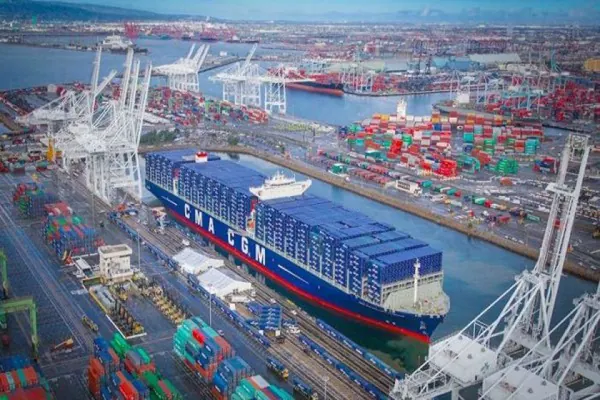
The NPA has taken steps to provide necessary infrastructure for handling fish and other perishable cargo at ports. For instance, the Kirikiri Lighter Terminal (KLT) has been designated as a dedicated fish terminal with cold-room facilities. Additionally, a dedicated export processing terminal and improved hinterland connectivity are being provided to support efficient cargo handling.
Major container terminals have also been equipped with reefer facilities for storing perishable cargo. The ongoing port modernization efforts aim to improve infrastructure, enabling 24-hour vessel berthing operations at western ports. Some terminal operators, including APM Terminals (APMT), GDNL, and ABMT, undertake 24-hour cargo handling and delivery, further enhancing efficiency.
To support safe vessel operations, efficient handling of fish, and preservation of seafood, various infrastructure are required for fishing ports. These include breakwaters, quays and wharves, slipways and shipyards, navigation channels, landing and unloading areas, ice plants and cold storage facilities, processing plants, roads, and logistics networks.
Key points
- Nigeria imports approximately 2 million metric tonnes of fish annually.
- The country's fish economy is valued at around N25 trillion.
- A specialized fishing port is to be developed under a Public-Private Partnership model.