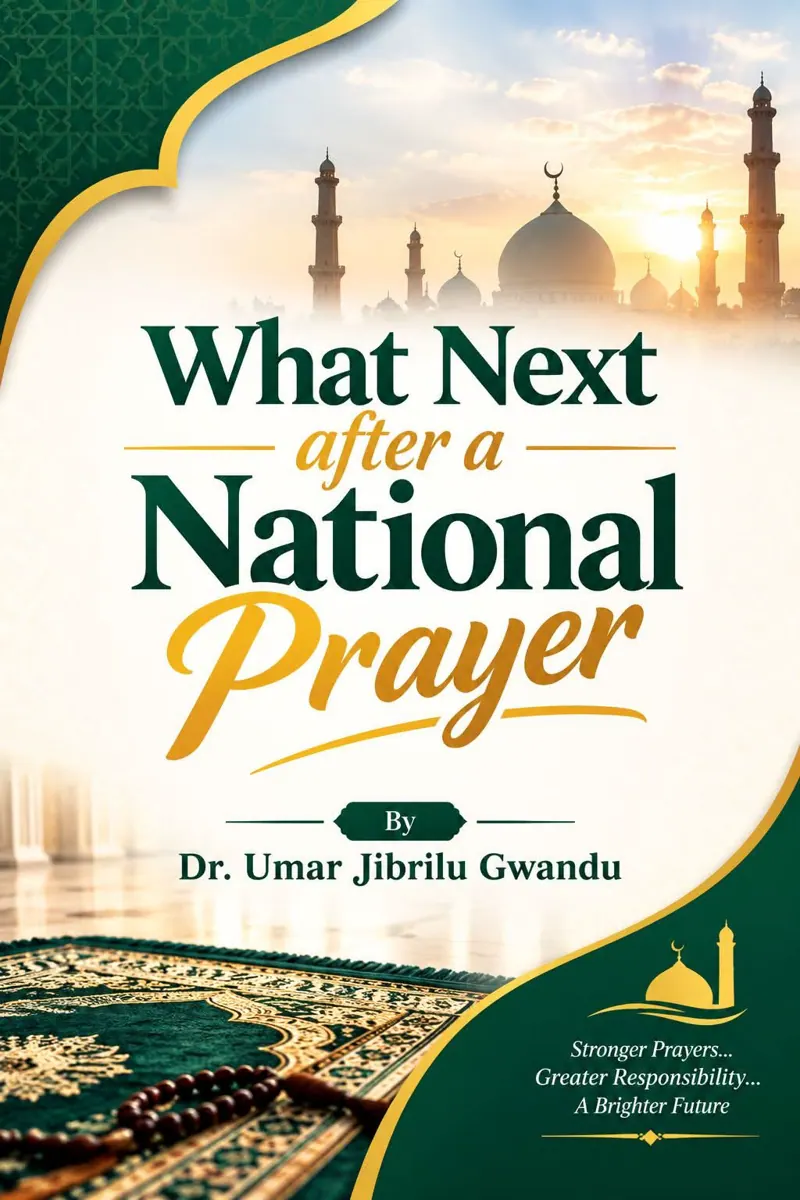
The world is experiencing a decline in peace, with the Global Peace Index Report of 2025 indicating that the world has become less peaceful for the 13th time in 17 years. This trend is also evident in Nigeria, where issues of insecurity and economic hardship dominate public discourse. According to the Nigerian National Bureau of Statistics, 614,937 Nigerians were killed and 2,235,954 others were kidnapped nationwide within a single year in 2024.
The situation in Nigeria is dire, with 36.2 million people estimated to be acutely food insecure, and 2.1 million people facing emergency levels of food insecurity, as reported by the World Food Programme in August 2026. Additionally, 133 million people living in Nigeria are multidimensionally poor, according to the 2022 National Bureau of Statistics report. These statistics highlight the need for a national response to address these challenges.
In response to these challenges, the Nigerian Supreme Council of Islamic Affairs, under the leadership of President General and Sultan of Sokoto, His Eminence Alhaji Muhammad Sa'ad Abubakar, organized a national prayer for peace, unity, and prosperity. The prayer session, which was preceded by the recitation of the entire Glorious Qur'an, was attended by Chief Imams of Central Mosques from 36 states of the Federation, representatives of Islamic Organizations in Nigeria, and Muslim leaders from various spheres of life.
The national prayer was a call to seek divine intervention in addressing the country's challenges. Muslims believe that prayer has spiritual power to surmount complex situations. The Qur'an emphasizes the importance of prayer, with Allah assuring believers that He will answer their prayers. The story of Prophet Moses, who got comfort, food, accommodation, and a job through a single prayer, is an example of the power of prayer.
However, the Qur'an also emphasizes the importance of human effort in achieving desired outcomes. The story of Maryam, who was told to shake the trunk of a palm tree to get dates, highlights the need for believers to make an effort, even when it seems small, and trust in Allah to bring the result. Similarly, the story of Prophet Musa, who was commanded to strike the sea with his staff, emphasizes the need for human action alongside prayer.
The national prayer was a demonstration of patriotism and spirituality, with believers eschewing differences and converging on one of the sacred places in the land to pray for peace, unity, and prosperity. The event was a call to responsibility, emphasizing the need for believers to change what is in themselves in order to change their condition. The Qur'an reassures believers that with hardship comes ease, but that ease is often reached through a combination of spiritual devotion, patience, and purposeful action.
The national prayer is a step towards addressing Nigeria's challenges, but it is also a reminder that human effort is required to achieve desired outcomes. The Qur'an lays down general principles, emphasizing the need for personal and collective responsibility, and highlighting the importance of pairing prayer with concrete and decisive action. The story of Prophet Nuh, who built an ark long before any visible sign of the flood, reinforces the principle of pairing prayer with action.
Key points
- The national prayer in Nigeria highlights the importance of seeking divine intervention in addressing the country's challenges.
- The event emphasizes the need for human effort and responsibility in achieving desired outcomes.
- The Qur'an provides guidance on the importance of prayer and human effort in achieving success.