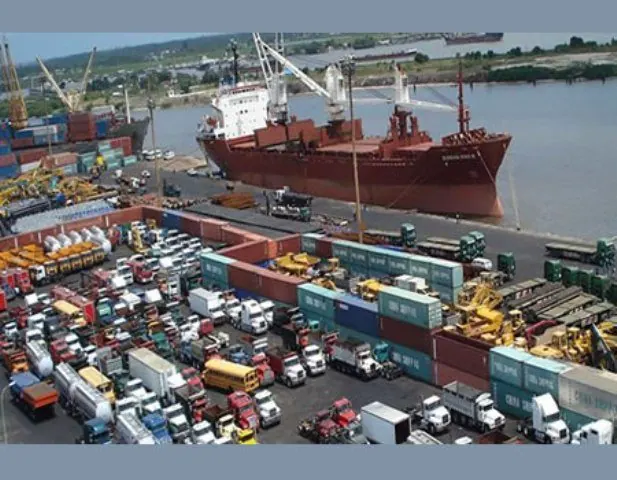
The Federal Government of Nigeria has taken a significant step to expand its maritime network by approving the development of six new deep seaports and the modernisation of four existing ports. This move is expected to increase Nigerian participation in the shipping industry and create more than 30,000 jobs. The Minister of Marine and Blue Economy, Adegboyega Oyetola, announced the approvals in a statement on his official X account.
The four ports approved for modernisation are Onne Port and Rivers Port in Rivers State, Delta Port in Delta State, and Calabar Port in Cross River State. The modernisation of these ports aims to improve cargo handling, reduce the time ships spend at the ports, and strengthen connections between different regions. The upgrades will make the movement of goods more predictable and cheaper while supporting trade, industrial activities, and economic development.
The six proposed deep seaports are Ibom in Akwa Ibom State, Bakassi in Cross River State, Agge in Bayelsa State, Gateway in Ogun State, Ondo in Ondo State, and Bonny in Rivers State. These new ports will further increase Nigeria's capacity to handle cargo and create stronger economic links across the country. The development of these ports is part of the Federal Government's plan to expand port infrastructure beyond Lagos.
The government's plan goes beyond building and upgrading ports; it aims to develop an integrated maritime and transport system where ports are connected to roads, railways, inland waterways, and other forms of transport. This integrated system will reduce the time and money businesses spend moving goods across the country. The government will work with state governments, terminal operators, investors, shipping companies, and other stakeholders to ensure the projects deliver the expected benefits.
Nigeria has the geographical location, market, and maritime resources needed to become a major maritime hub in Africa. The government's responsibility is to provide the infrastructure, policies, and business environment needed to turn the country's maritime potential into economic benefits. The development of the ports and the integrated transport system will help achieve this goal.
The Federal Government is also holding discussions with APM Terminals over the proposed Badagry Deep Seaport in Lagos State. The proposed port is expected to increase Nigeria's deepwater port capacity and allow the country to receive larger container ships. It is also expected to create opportunities for cargo handling and transshipment. This project is part of wider efforts by the government to increase deep-sea port capacity along Nigeria's coastline.
Nigerian ports have recorded increased activity in the first half of 2026, with growth in cargo volumes, vessel calls, and container traffic. The growth followed a strong performance in 2025, when total cargo throughput increased by 24.8 per cent to 129.3 million metric tonnes. The government has also taken steps to improve access to finance for Nigerian operators in the maritime sector through the Cabotage Vessel Financing Fund, which is expected to create more than 30,000 jobs.
Key points
- The Nigerian government has approved the development of six new deep seaports and the modernisation of four existing ports.
- The projects aim to increase Nigerian participation in the shipping industry and create more than 30,000 jobs.
- The government plans to develop an integrated maritime and transport system to reduce the time and money businesses spend moving goods across the country.