Nigeria is approaching the 2027 general election with growing concerns about the proliferation of illegal firearms and the activities of armed political thugs. A series of attacks on political figures, party supporters, and campaign activities across several states have heightened concerns about the security of the electoral process. The attacks have resulted in injuries, deaths, and destruction of property, raising fears that the contest for power could aggravate insecurity in communities already grappling with banditry, kidnapping, and other criminal activities.
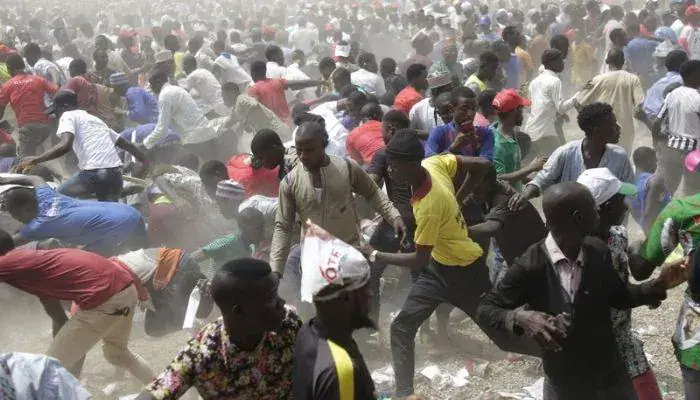
Several politicians have been targeted in attacks, including Peter Obi, the presidential candidate of the Nigeria Democratic Congress (NDC), whose convoy was attacked in Benue State, and Herberta Okonofua, ADC senatorial candidate in Edo State, who came under gunfire while her supporter was injured. Other incidents involved gunmen storming an NDC ward meeting in Enugu State, firing sporadically and injuring two people, and a PDP rally in Agbani being disrupted, with canopies and chairs destroyed. These incidents point to a troubling pattern in which political activities are increasingly exposed to attacks, intimidation, and destruction.
Experts warn that politicians allegedly stockpiling weapons pose a serious threat to electoral security. Mike Ejiofor, former Director of the Department of State Services (DSS), has called for intelligence agencies to identify those behind the acquisition of firearms and recover the weapons before the 2027 polls. He noted that it is a well-known fact that politicians also buy weapons, but the question is: how many of them have been arrested? Lawrence Alobi, former Commissioner of Police in the Federal Capital Territory (FCT), has also called for a stronger response to the circulation of illegal firearms, including the establishment of a dedicated police task force to tackle the problem.
The proliferation of sophisticated arms in the hands of political thugs is worrisome, with gunmen openly attacking politicians and their campaign trails. Ovie Omo-Agege, former Deputy President, was attacked by gunmen at Uduere in Delta State, who started shooting sporadically in an alleged attempt to assassinate him. The attacks have drawn attention to the dangers of such weapons falling into the hands of political thugs and the need for a specialised response to tackle the problem. Raheem Mutiu, an analyst at the Armed Conflict Location and Event Data (ACLED), has described the attacks as evidence of "growing tensions around Nigeria's electoral process."
Inflammatory statements from political actors have also raised concerns, with Festus Keyamo, minister of Aviation and Aerospace Development, accusing some politicians of urging vulnerable youths and thugs to take up arms under the guise of protecting their votes. Experts say while attacks on political gatherings demand a firm security response, threats of retaliatory violence risk further inflaming an already tense political environment. Nuhu Ribadu, National Security Adviser (NSA), and Joash Amupitan, Chairman of the Independent National Electoral Commission (INEC), have warned against rising political violence and electoral misconduct ahead of the 2027 general elections.
The concerns about electoral security have prompted calls for strict measures to protect the integrity of the process. Ribadu has cautioned politicians against desperation for power, noting that they may become desperate and do almost anything. He assured that security agencies would protect all political actors, voters, and electoral officials without discrimination. Amupitan has also emphasized the need for a collaborative approach to addressing the security challenges facing the electoral process.
The situation highlights the need for a comprehensive approach to addressing the security challenges facing Nigeria's electoral process. The government, security agencies, and other stakeholders must work together to identify and dismantle the networks involved in the proliferation of illegal firearms, recover the firearms, and prosecute those involved in supplying them to criminal groups. The 2027 general election must be protected from the threats of violence and intimidation to ensure a free, fair, and credible process.
Key points
- The proliferation of illegal firearms and armed political thugs poses a serious threat to Nigeria's 2027 general election.
- Multiple attacks have been reported on politicians and campaign events, resulting in injuries, deaths, and destruction of property.
- Experts warn that politicians allegedly stockpiling weapons and inflammatory statements from political actors risk further inflaming an already tense political environment.