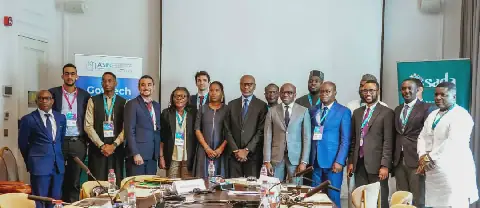
The 31st United Nations Climate Change Conference, COP31, in Antalya, Türkiye, has ended without an agreement among nearly 200 countries. The Federal Government of Nigeria expressed disappointment over the collapse of climate negotiations. Despite the lack of a finalised deal, Nigeria's Director-General, National Council on Climate Change, Omotenioye Majekodunmi, stated that the country would continue implementing its climate commitments under its Nationally Determined Contribution 3.0.
The collapse of talks followed disagreements over the inclusion of language on transitioning away from fossil fuels, adaptation finance, and the role of carbon capture technologies in tackling climate change. COP31 President Murat Kurum confirmed that the final draft agreement would not be adopted after countries failed to bridge their differences. The negotiations had reinforced the need to match climate ambition with adequate financing and practical implementation plans, particularly for developing countries.
The absence of a new political agreement does not diminish the urgency of climate action, nor does it invalidate the commitments already undertaken under the Paris Agreement. Nigeria's climate progress would ultimately be measured by its impact on employment, businesses, energy access, and livelihoods. This year's climate conference is the second time in the history of global climate talks that a summit has ended without an agreement and the first in 17 years.
The UN Secretary-General, António Guterres, expressed deep disappointment over the inability of governments to agree on a common political outcome. He warned that the failure to reach an agreement would not change the urgency of the climate crisis, noting that global temperatures continued to break records while emissions remained dangerously high. Guterres criticised the continued dependence on fossil fuels, saying it was fueling climate chaos.
The breakdown has shifted attention to COP32, scheduled to take place in Addis Ababa, Ethiopia, next year, where countries are expected to continue discussions on unresolved climate commitments. The failure comes after COP28 in Dubai in 2023, when countries agreed to transition away from fossil fuels in a just, orderly, and equitable manner. COP30 in Belém, Brazil, also provided a mandate for developing a just transition mechanism.
The Climate Action Network maintained that the fight for climate justice would continue, insisting that the next summit must deliver financing, adaptation support, and a fair transition for developing countries. The conference became the longest United Nations climate summit on record, surpassing the previous record held by COP25 in Madrid, Spain, in 2019.
The proposed adaptation finance target of $120bn disappeared from the final draft, while countries failed to agree on a concrete plan to mobilise the resources needed by vulnerable economies. The UN climate chief, Simon Stiell, described progress over the marathon fortnight of negotiations in Antalya as "limited." The world cannot afford a repeat, he said.
Key points
- The collapse of COP31 climate talks highlights the challenges facing international climate cooperation.
- Nigeria vows to continue domestic climate programmes despite the lack of a finalised deal.
- The failure of COP31 shifts attention to COP32, where countries will continue discussions on unresolved climate commitments.
Reporting sources
- FG, UN disappointed as COP31 climate talks collapse · InfoGiant FM