The Nigeria Customs Service (NCS) has pledged to intensify its fight against money laundering, terrorism financing, and cross-border financial crimes. The country's exit from the Financial Action Task Force (FATF) grey list on October 24, 2025, was a significant milestone in its efforts to address deficiencies in the systems used to combat these crimes. According to the Comptroller-General of Customs, Adewale Adeniyi, the country must protect the gains that secured its removal from the list.
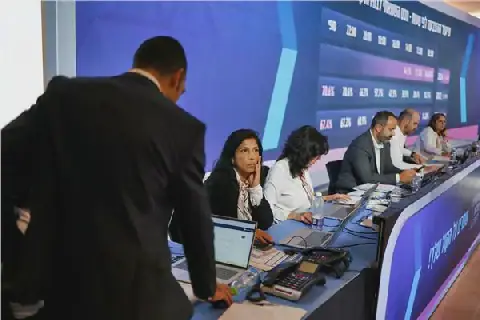
A stocktaking meeting was held at the Customs headquarters in Abuja on October 26, 2026, to assess progress, identify weaknesses, and strengthen Nigeria's readiness for the next evaluation of its anti-money laundering and counter-terrorism financing measures. The meeting brought together officials working to evaluate the country's framework and identify areas for improvement. The Deputy Comptroller-General in charge of Finance, Administration and Technical Services, Kikelomo Adeola, represented Adeniyi at the meeting.
The NCS occupies a strategic position in the anti-money laundering and counter-terrorism financing framework due to its access to cargo manifests, import and export records, trade documentation, and border intelligence. These records can help investigators identify inconsistencies or patterns requiring further scrutiny. Adeola stressed that the stocktaking exercise should not be treated as a routine administrative meeting but as an opportunity to determine whether Nigeria's reforms are delivering sustainable results.
The Chief Executive Officer of the Nigerian Financial Intelligence Unit (NFIU), Hafsat Abubakar, represented at the meeting by Emmanuel Sotande, said the stocktaking exercise was designed to measure progress, expose outstanding weaknesses, and strengthen collective preparedness for the next mutual evaluation. Sotande thanked the Customs Service for hosting the meeting and providing an opportunity for officials and assessors to reflect on the country's progress.
Nigeria's removal from the FATF grey list in October 2025 marked a significant achievement in its efforts to address deficiencies in the systems used to combat money laundering and terrorist financing. However, the Customs leadership stressed that removal from the list should not be mistaken for the end of the process. The immediate challenge is to demonstrate that reforms are functioning effectively and that institutions can identify and respond to suspicious activities.
Adeola commended the NFIU for coordinating programmes and measures aimed at preparing the country for the next evaluation. She expressed confidence that Nigeria would not return to the FATF grey list, but acknowledged that gaps still need to be identified and addressed. The stocktaking exercise is intended to establish where implementation requires improvement before the next assessment.
The NCS and NFIU are working together to strengthen Nigeria's anti-money laundering and counter-terrorism financing framework. The country's financial crime safeguards must be judged not only by the policies and procedures adopted, but also by how effectively they work in practice. The next evaluation will consider institutional coordination, implementation, and the ability to demonstrate results in assessing the country's anti-money laundering and counter-terrorism financing measures.
Key points
- The Nigeria Customs Service and NFIU have launched a stocktaking exercise to identify gaps and strengthen the country's anti-money laundering and counter-terrorism financing framework.
- Nigeria's exit from the FATF grey list in October 2025 was a significant achievement, but the country must demonstrate that reforms are functioning effectively to maintain its position.
- The NCS and NFIU are working together to strengthen Nigeria's financial crime safeguards and prepare for the next mutual evaluation.