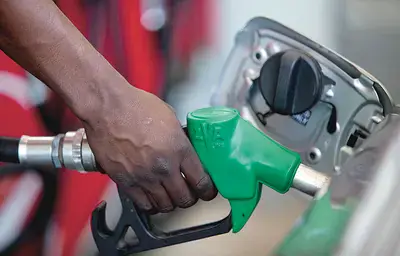
The Nigerian government is exploring measures to offer temporary relief to citizens from high petrol prices, which have significantly impacted households and businesses since the removal of fuel subsidies in May 2023. Finance Minister Taiwo Oyedele disclosed the plan during a recent television broadcast, signaling potential short-term relief for consumers. This move aims to ease the cost-of-living crisis, with petrol prices remaining a major concern.
The proposed intervention comes amid growing concerns over the impact of petrol prices on transportation, food distribution, production, and household purchasing power. Recent market movements have shown some reductions in petrol prices due to changes in crude oil prices and domestic refining dynamics. However, fuel prices remain significantly higher than before subsidy removal, contributing to the country's cost-of-living crisis.
The Federal Government has maintained that it will not return to the former petrol subsidy regime, citing significant fiscal pressure and economic distortions. According to Oyedele, subsidy removal generated substantial resources for the federation, with N15.8 trillion in subsidy savings projected between June 2023 and December 2025. This amount includes N5.4 trillion accruing to the Federal Government and N10.4 trillion shared among states and local governments.
The government faces increasing pressure to demonstrate how Nigerians can directly benefit from economic reforms. The proposed one-month cheaper-fuel initiative represents an attempt to provide immediate relief while maintaining the administration's stance against a return to blanket petrol subsidies. This development is particularly significant for businesses, as petrol remains a major input cost for transportation, logistics, power generation, and distribution.
A temporary pump price reduction could lower operating costs for small businesses and transport operators while moderating the cost of moving goods. It could also provide relief to households whose disposable income has been squeezed by elevated transportation and food costs. The Federal Government has promoted cheaper energy alternatives, particularly compressed natural gas (CNG), to reduce dependence on petrol.
President Bola Tinubu previously directed the rollout of an additional 500 CNG refuelling stations, bringing the government's planned network to 1,000 stations nationwide. The administration argues that CNG-powered vehicles can operate at substantially lower fuel costs than petrol-powered vehicles. However, the immediate challenge remains the price of petrol, which directly affects millions of Nigerians who have yet to transition to alternative fuels.
The proposed temporary reduction raises questions about its sustainability and whether consumers will see a lasting reduction in energy costs after the one-month period. Petroleum Resources Minister of State Heineken Lokpobiri has stated that the government cannot arbitrarily control petrol prices due to the deregulated downstream sector. The government's ability to deliver visible relief will be crucial as economic reforms enter a politically sensitive period ahead of the 2027 general elections.
Key points
- The Nigerian government is considering a temporary petrol price reduction to alleviate the cost-of-living crisis.
- The proposed intervention aims to provide short-term relief to households and businesses without recreating a subsidy mechanism.
- The government's ability to deliver visible relief will be crucial as economic reforms enter a politically sensitive period.