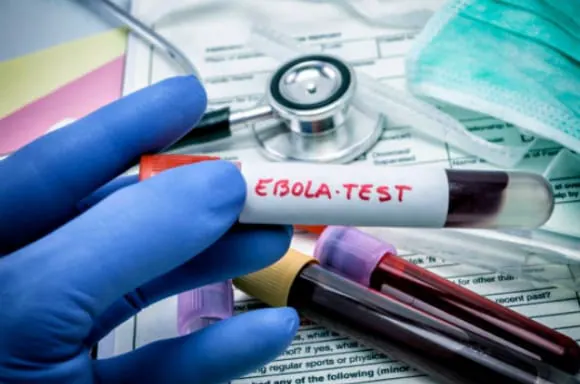
Nigeria has confirmed an imported case of Ebola disease caused by the Bundibugyo virus in the Federal Capital Territory (FCT). The Federal Ministry of Health and Social Welfare announced the confirmation on 20 October 2026 after laboratory testing established the infection. The patient, a Nigerian businesswoman, is in isolation and receiving medical care. This development has raised urgent questions about disease surveillance, hospital preparedness, contact tracing, and the country’s capacity to prevent further transmission.
The confirmation of the Ebola case presents Nigeria with another critical test of its medical preparedness and the strength of institutions responsible for protecting public health. In 2014, Nigeria successfully contained an Ebola outbreak, demonstrating that decisive leadership, early diagnosis, disciplined contact tracing, and coordinated public health action can stop a deadly virus. With 44 contacts reportedly identified for monitoring, the immediate question is whether the country can translate the hard-earned lessons of 2014 into an equally effective response in 2026.
Coordinating Minister of Health and Social Welfare Muhammad Ali Pate has reported that 44 contacts have been identified for monitoring. The ministry is working to ensure that these contacts are traced and monitored to prevent further transmission. The patient’s isolation and medical care are also being closely monitored to prevent any potential complications. The Federal Ministry of Health and Social Welfare is leading the response efforts, with support from other stakeholders, including the World Health Organization (WHO).
The Ebola case in Abuja has raised concerns about public health risks, contact tracing, and preparedness in Nigeria. The country has a history of responding to infectious disease outbreaks, including Ebola, and has made significant progress in strengthening its public health systems. However, the confirmation of a new Ebola case highlights the need for continued vigilance and preparedness to respond to emerging public health threats.
The Nigerian government has assured the public that it is taking all necessary measures to prevent further transmission and protect public health. The government has also urged the public to remain calm and to report any suspected cases of Ebola or other infectious diseases to the authorities. The Federal Ministry of Health and Social Welfare is working to educate the public about the risks of Ebola and the measures being taken to prevent further transmission.
The confirmation of the Ebola case in Abuja has also raised questions about the country’s preparedness to respond to public health emergencies. Nigeria has made significant progress in strengthening its public health systems, including disease surveillance, laboratory capacity, and emergency response. However, the country still faces challenges in responding to emerging public health threats, including Ebola.
The Nigerian government and its partners are working to strengthen the country’s public health systems and improve preparedness to respond to emerging public health threats. The government has also urged the public to support efforts to prevent further transmission and protect public health. The response efforts are being led by the Federal Ministry of Health and Social Welfare, with support from other stakeholders, including the WHO and other international partners.
Key points
- Nigeria confirms an imported case of Bundibugyo Ebola virus disease in Abuja, raising concerns about public health preparedness and contact tracing.
- The country has identified 44 contacts for monitoring and is working to prevent further transmission.
- The Nigerian government has assured the public that it is taking all necessary measures to prevent further transmission and protect public health.