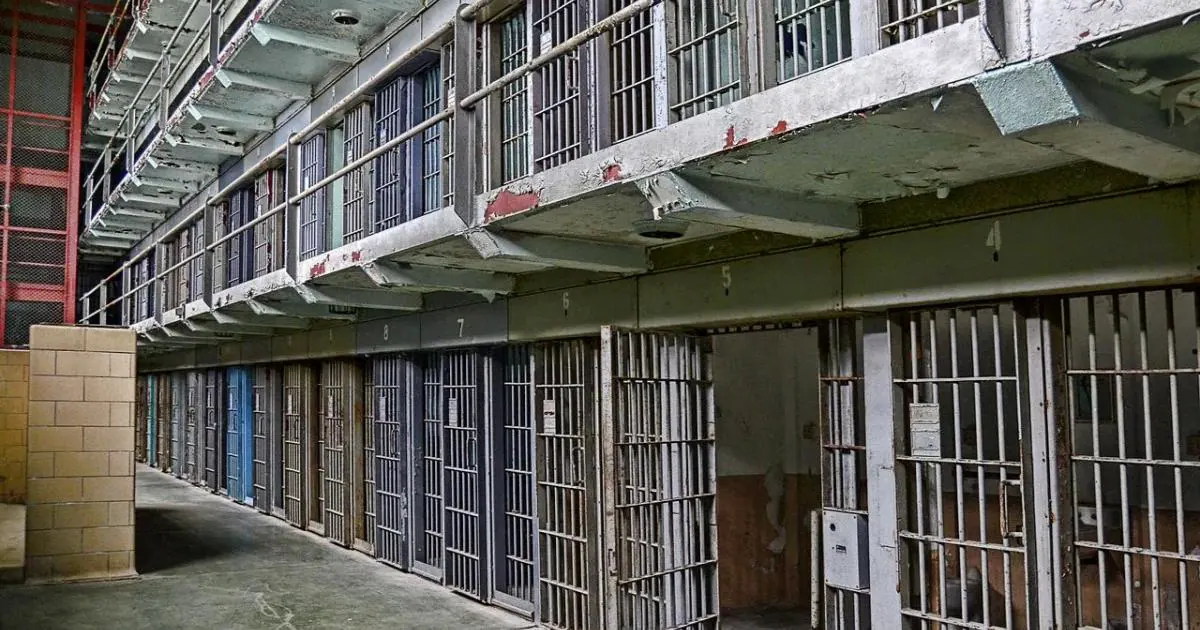
As Nigeria marked its 66th Independence anniversary on October 1, governors in four states have granted pardons and other forms of clemency to a total of 257 inmates. The states include Plateau, Kogi, Taraba, and Adamawa, where the governors exercised their constitutional powers to release inmates from correctional facilities. This move is seen as a gesture of mercy and a new lease on life for the beneficiaries.
Plateau State led the way with the largest number of pardons, as Governor Caleb Mutfwang granted absolute pardon to 130 inmates. He also commuted the death sentences of four others to life imprisonment, following consultations with the Plateau State Advisory Council on the Prerogative of Mercy. The governor's decision was announced in his Independence Day goodwill message, highlighting the importance of mercy and rehabilitation in the justice system.
In Kogi State, Governor Usman Ododo granted pardon and other forms of executive clemency to 101 inmates and convicts. A breakdown of the beneficiaries showed that 94 were granted mercy on grounds including old age, medical conditions, good conduct, rehabilitation, remorse, and compassionate considerations. Seven others received remission of sentence, bringing the total number of beneficiaries in Kogi to 101.
The governors of Taraba and Adamawa states also granted pardons to inmates in their respective states. In Taraba, Governor Agbu Kefas granted executive pardons to 24 reformed inmates, while in Adamawa, Governor Ahmadu Umaru Fintiri pardoned nine inmates and commuted the death sentence of another inmate, Saidu Abdullahi, to life imprisonment. These decisions were made in exercise of their constitutional powers and following the recommendations of their respective Advisory Councils on the Prerogative of Mercy.
The combined figures from the four states show that 264 inmates and convicts benefited from pardon or other forms of executive clemency. Of this number, 257 received pardons or mercy resulting in their release, while the remaining beneficiaries had their sentences remitted or commuted to life imprisonment. The measures were announced as the governors joined Nigerians in marking the country's 66th year of independence.
Governor Ododo, in his remarks, urged the beneficiaries not to return to crime and to make productive use of the skills and lessons acquired during their incarceration. He emphasized that the second chance came with greater responsibility, and that the beneficiaries should strive to be law-abiding citizens.
The mass pardon and commutation of sentences are part of the country's efforts to decongest its correctional facilities and provide a second chance to inmates who have shown remorse and rehabilitation. The exercise also highlights the importance of mercy and compassion in the justice system, as well as the need for inmates to be given opportunities for rehabilitation and reintegration into society.
Key points
- Over 250 inmates were released from correctional facilities across four states in Nigeria as part of the country's 66th Independence anniversary celebrations.
- The governors of Plateau, Kogi, Taraba, and Adamawa states granted pardons and other forms of clemency to inmates in their respective states.
- A total of 264 inmates and convicts benefited from pardon or other forms of executive clemency, with 257 receiving pardons or mercy resulting in their release.