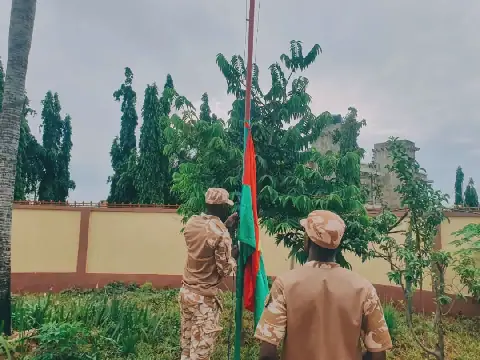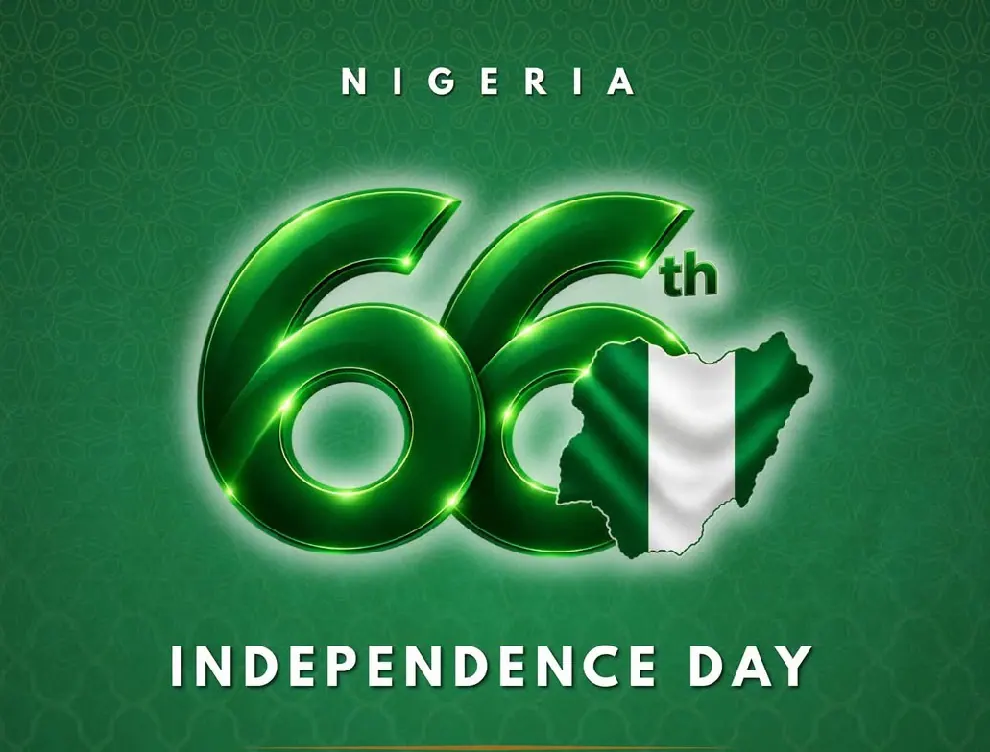
Nigeria is commemorating its 66th Independence Day today, reflecting on the country's journey towards true sovereignty. While Nigeria gained political freedom on October 1, 1960, the country's economy has long been dependent on external factors. The Renewed Hope agenda, introduced by the current administration, aims to dismantle this dependence and achieve economic freedom. This agenda is not just a set of technical adjustments but a rupture in the old settlement that has held the country back for decades.
The old settlement, often referred to as a rentier state, has been characterized by a government that relies heavily on oil money and does not have to earn revenue from its citizens. This has led to a lack of accountability and a system where the treasury is controlled by external factors. The petrol subsidy, which cost the country about N10 trillion a year by 2022, was a clear example of this settlement. The subsidy benefited a select few, primarily importers and license holders, rather than the poor.
The Renewed Hope agenda has introduced several fundamental breaks from the old settlement. The first break was fiscal, ending the subsidy on petrol and moving N15.8 trillion over thirty months from importers to the Federation Account. This has led to a significant increase in monthly allocations to the three tiers of government, from N786 billion in May 2023 to N2.338 trillion for August 2026. Additionally, debt service has fallen from 96% of revenue to around half.
The second break was monetary, with the unification of the currency in June 2023. This replaced the fiction of a two-price system with a single market price, allowing the naira to tell the truth. The adjustment was sharp, but it has led to a significant narrowing of the spread between official and parallel markets, from 59% at the end of 2022 to about 4% by September 2026.
The third break was in the energy sector, where Nigeria has moved to end its reliance on imported petrol. The Dangote refinery now supplies 71% of Nigeria's petrol, and imports have fallen by 26% in a single month. The CNG initiative has also put over 93,000 vehicles on a home-produced fuel at roughly half the price of petrol. Furthermore, the 614-kilometer Ajaokuta-Kaduna-Kano pipeline, now over 94% complete, will carry southern gas to northern factories, fertilizer plants, and power stations.
The Renewed Hope agenda has also introduced measures to promote economic sovereignty through human capital, food security, and productive infrastructure. The student loan and Three Million Technical Talent program are expanding access to education and skills development. These initiatives aim to retain wealth within the local economy and promote economic freedom.
As Nigeria celebrates its 66th Independence Day, the focus is on the progress made under the Renewed Hope agenda. The country is moving towards a future where it can pay its bills, protect the poor with targeted compensation, and convert the pain of reform into a life citizens can afford. The next phase of Nigeria's independence conversation should focus on whether the country can now win economic freedom from a policy that mortgaged the treasury and rewarded smuggling.
Key points
- The Renewed Hope agenda aims to achieve economic freedom for Nigeria.
- The agenda has introduced several fundamental breaks from the old settlement, including fiscal, monetary, and energy sector reforms.
- The country is moving towards a future where it can pay its bills and protect the poor with targeted compensation.