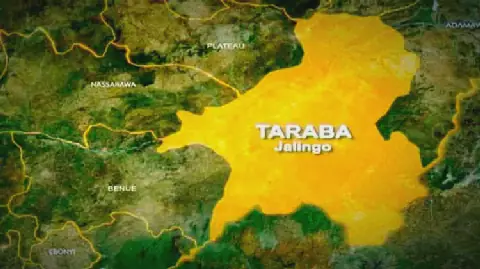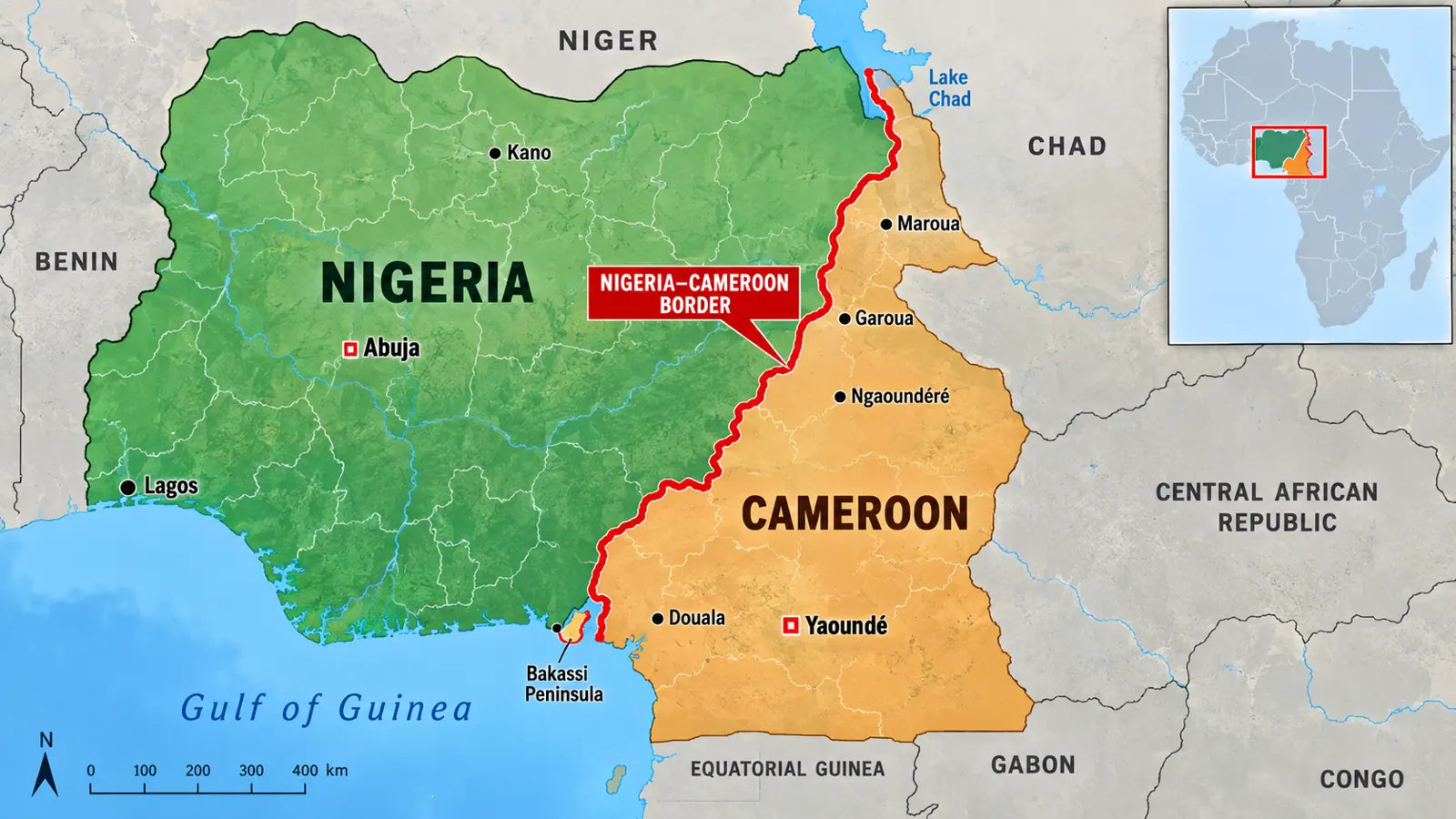
The Nigeria-Cameroon border demarcation is nearing completion, nearly 24 years after the International Court of Justice (ICJ) delivered its judgment on the land and maritime boundary dispute. According to Adamu Adaji, Director-General of the National Boundary Commission (NBC), the remaining demarcation is concentrated around the Adamawa sector, involving over 260 boundary pillars. The ICJ judgment, delivered on October 10, 2002, resolved the boundary dispute, awarding sovereignty over the Bakassi Peninsula to Cameroon and delineating the two countries' land and maritime boundary.
The Nigeria-Cameroon boundary, stretching approximately 2,100 kilometers, is Nigeria's longest international land boundary. The boundary dispute initially centered on Bakassi but eventually covered the entire boundary, from the Chad Basin through states bordering Cameroon to the sea. The two countries established the Nigeria-Cameroon Mixed Commission, chaired by the United Nations, to address outstanding boundary issues. The commission began implementing the ICJ judgment in 2002, after the governments of Nigeria and Cameroon agreed to do so under United Nations auspices.
Disagreements between Nigeria and Cameroon caused some sectors to be skipped, but these have been resolved through interventions by the presidents of both countries. The resolution allowed both countries to consider affected populations and adjust boundary lines through a spirit of give-and-take. For example, the ICJ-defined boundary initially placed about 90% of the Koja community in Cameroon, but an understanding between Nigeria and Cameroon enabled the entire Koja community to remain in Nigeria. Similar concessions were made elsewhere to ensure that boundary lines did not unfairly affect local communities.
The next phase of the boundary demarcation will focus on development and provision of basic needs for affected communities. The NBC, working alongside the United Nations, has assessed the needs of affected populations and is waiting for support from international partners and the governments of the two countries to provide necessary assistance. Once the demarcation is complete, the focus will shift to managing communities and promoting sustainable development along the border corridor.
Completing the Nigeria-Cameroon demarcation will mark a transition from defining the boundary to managing communities and promoting sustainable development. Nigeria and Cameroon will remain neighbors, and respecting the international boundary must go hand in hand with measures that protect the welfare of border communities. The NBC has established the first ECOWAS platform for cross-border cooperation in West Africa, and local committees have been established at the state level to encourage cooperation between states and neighboring communities.
Cross-border cooperation will facilitate information sharing, combat smuggling and irregular migration, while allowing legitimate movements and community relationships to be properly documented. The NBC is working to properly define Nigeria's maritime boundaries and establish coordinates to guide naval operations and shipping activities. Nigeria shares maritime boundaries in the Gulf of Guinea with Equatorial Guinea, Cameroon, Ghana, and Benin.
The maritime boundary with Cameroon has been resolved, while about three nautical miles remain to be resolved with Equatorial Guinea. About eight nautical miles remain under negotiation with Ghana, while the maritime boundary with Benin was defined by treaty. The completion of the Nigeria-Cameroon border demarcation is expected to be finished by the end of the year, after which the focus will shift to managing the boundary and promoting sustainable development along the border corridor.
Key points
- The Nigeria-Cameroon border demarcation is nearing completion, 24 years after the ICJ ruling.
- The remaining demarcation is concentrated around the Adamawa sector, involving over 260 boundary pillars.
- The completion of the demarcation will mark a transition to managing communities and promoting sustainable development along the border corridor.