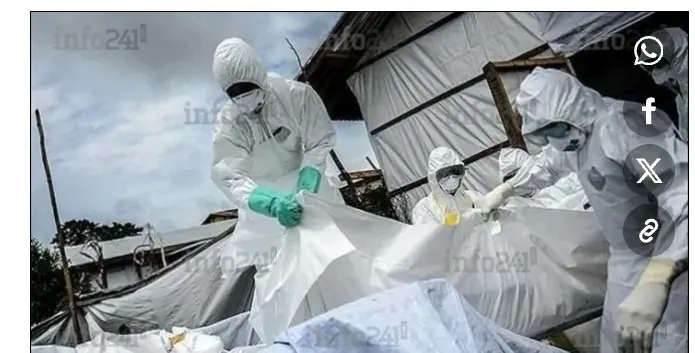
The Nigerian government has confirmed a severe outbreak of Lassa fever, with at least 263 deaths reported since January 2026. According to the Nigeria Centre for Disease Control and Prevention (NCDC), a total of 1,115 cases have been recorded across 24 of the country's 36 states. This widespread outbreak has raised concerns about the country's ability to contain the disease.
The current fatality rate stands at 23.6%, a significant increase from 18.5% during the same period in 2025. This represents a 5.1 percentage point rise in mortality, highlighting the growing severity of the outbreak. Lassa fever is a viral disease that can cause severe symptoms, including high fever, headaches, and intense fatigue. In severe cases, it can lead to hemorrhaging and organ failure.
The primary mode of transmission for Lassa fever is through contact with food or objects contaminated with the urine or feces of infected rodents. Human-to-human transmission is also possible, particularly in healthcare settings where infection prevention and control measures are not strictly adhered to. The NCDC has emphasized the importance of early diagnosis and prompt treatment to reduce the risk of fatal complications.
Health experts stress that prevention is key to controlling the outbreak. Measures to protect food from rodents, improve hygiene, and enhance infection control practices among healthcare workers are crucial. The NCDC has called for increased vigilance and improved preparedness to tackle the ongoing challenge posed by Lassa fever.
The Nigerian government has been urged to intensify efforts to contain the outbreak and mitigate its impact on public health. The country's healthcare system faces significant challenges in responding to the outbreak, including limited resources and infrastructure. The international community has offered support and assistance to help Nigeria combat the crisis.
Lassa fever is an endemic disease in several regions of Nigeria, and the current outbreak highlights the need for sustained efforts to control and prevent its spread. The NCDC and other health authorities are working to strengthen surveillance, enhance laboratory capacity, and improve response strategies to address the outbreak.
The situation remains critical, with the potential for further spread and increased mortality if not adequately addressed. The Nigerian government, in collaboration with international partners, must continue to prioritize the response to the Lassa fever outbreak and implement effective measures to protect public health.
Key points
- The Lassa fever outbreak in Nigeria has resulted in 263 deaths and 1,115 cases across 24 states this year.
- The fatality rate has increased to 23.6%, a 5.1 percentage point rise from the same period in 2025.
- Prevention measures, including protection of food from rodents and improved hygiene practices, are crucial to controlling the outbreak.