Northern Nigeria is grappling with a severe public health crisis as a diphtheria outbreak continues to claim lives and threaten the wellbeing of entire communities. According to the Nigeria Centre for Disease Control and Prevention (NCDC), the country has recorded approximately 40,085 confirmed cases and 2,143 deaths from epidemiological week 19 of 2022 to week 51 of 2025. Kano State has been the hardest hit, accounting for 24,683 confirmed cases, or about 61.6% of the national total.
The diphtheria outbreak has exposed weaknesses in Nigeria's immunisation, surveillance, healthcare infrastructure, and emergency response systems. Children aged one to fourteen years constitute the largest affected population, highlighting the urgent need to address immunisation gaps that leave children vulnerable. The disease is particularly disturbing because it is vaccine-preventable, and effective measures are available to prevent infection, interrupt transmission, and treat patients.
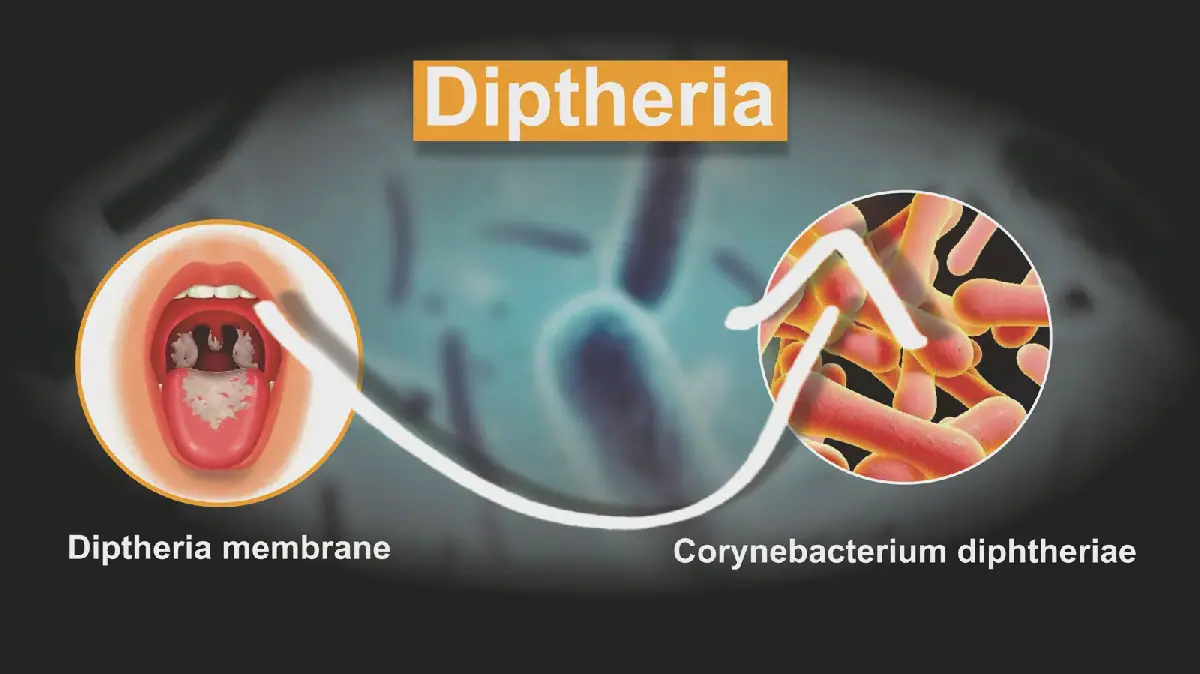
Diphtheria is a serious bacterial infection caused by toxin-producing strains of Corynebacterium diphtheriae. It commonly affects the respiratory system, although other parts of the body may also be involved. The disease spreads mainly through respiratory droplets and close contact with an infected person. Early symptoms may resemble an ordinary respiratory infection and include sore throat, fever, weakness, and difficulty swallowing.
The persistence of diphtheria in Nigeria is closely associated with inadequate childhood immunisation and unequal access to essential healthcare. Children who have not received the recommended doses of diphtheria-containing vaccines are particularly vulnerable. Surveillance and epidemiological analyses have repeatedly identified incomplete or absent vaccination among a substantial proportion of confirmed cases.
To combat the outbreak, political leaders must move beyond statements of concern and mobilise an effective response. A nine-point emergency action plan has been proposed, including guaranteeing vaccine supplies and launching targeted immunisation campaigns. Governments must strengthen routine childhood immunisation and conduct carefully planned supplementary campaigns in communities experiencing high transmission.
Ensuring uninterrupted supplies of diphtheria antitoxin is also crucial, as it is an essential, life-sensitive treatment for respiratory diphtheria. The government should establish emergency procurement arrangements, maintain adequate stocks at referral hospitals and designated treatment centres, and create reliable distribution systems for facilities managing suspected cases.
Protecting citizens' health is not solely the responsibility of ministries of health; it is a fundamental obligation of governance, requiring the leadership and commitment of the president, governors, legislators, local authorities, and community institutions. Every avoidable death should strengthen the determination to prevent another. The government must work together to close immunisation gaps, strengthen primary healthcare, and ensure that no child is left behind.
Key points
- Kano State has accounted for 61.6% of confirmed diphtheria cases in Nigeria.
- The diphtheria outbreak has resulted in 40,085 confirmed cases and 2,143 deaths.
- Children aged one to fourteen years constitute the largest affected population.
Reporting sources
- Stemming the Diphtheria emergency in Northern Nigeria · Daily Trust