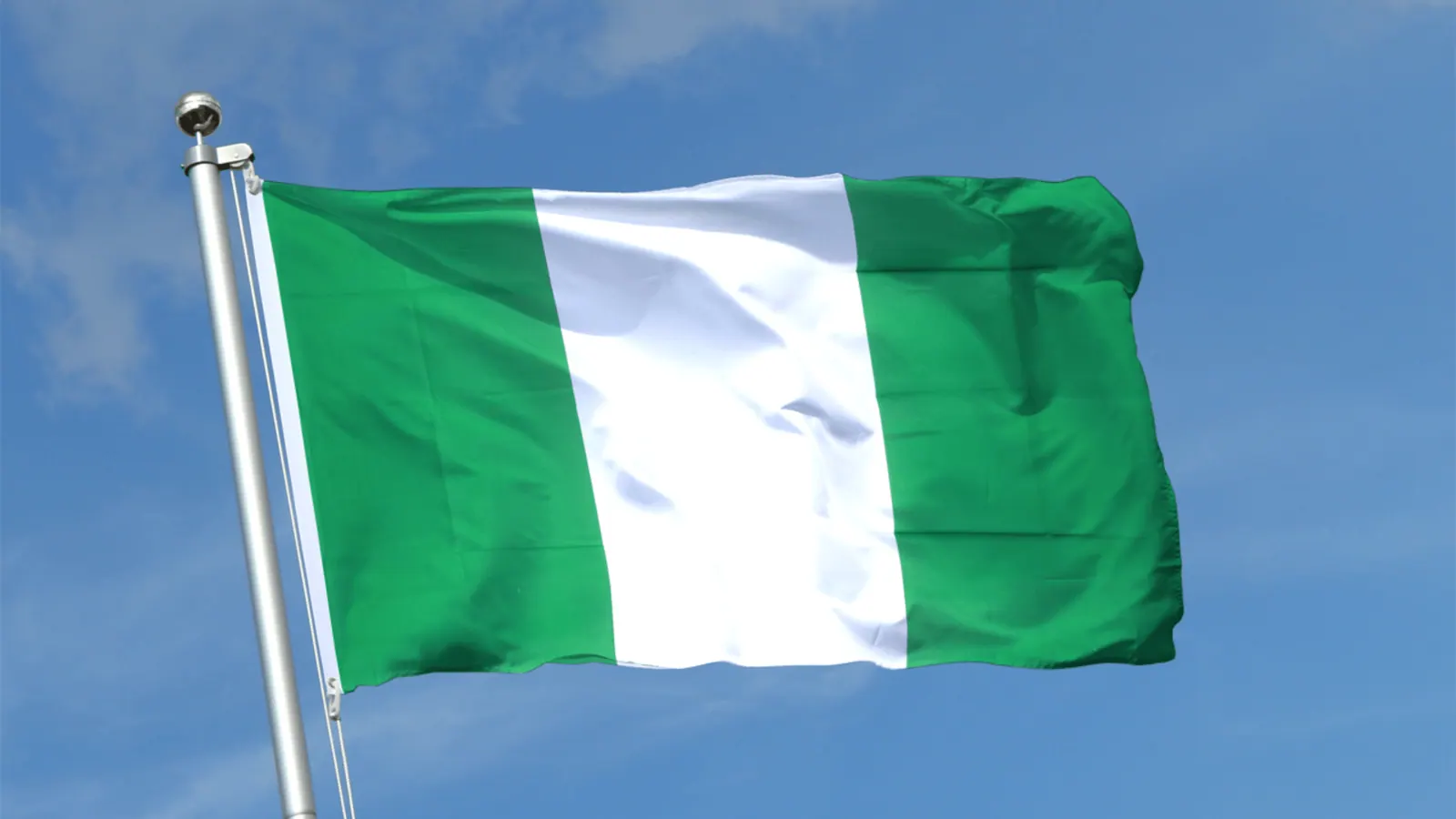
As Nigeria marks 66 years of independence, a crucial question arises: what, beyond geography and history, gives Nigerians a shared stake in the country’s future? This inquiry is particularly pertinent as Nigeria seeks a larger voice in the international system. President Bola Tinubu, represented by Vice-President Kashim Shettima, recently renewed Nigeria’s demand for permanent African representation on the Security Council and called for reforms to international financing, debt sustainability, and climate finance at the 81st United Nations General Assembly.
Nigeria’s diplomatic objectives, including a permanent seat on the Security Council and a fairer international financial system, are legitimate and should be pursued. However, these ambitions also invite a more challenging domestic question: what is Nigeria doing to strengthen the institutions and sense of citizenship that hold Nigerians together at home? A country’s influence is strengthened when its citizens have confidence in the institutions through which that country speaks.
The contrast with Israel provides a useful perspective, albeit with careful consideration of their profoundly different histories, political systems, security circumstances, and national experiences. Israeli leaders have used the language of shared destiny when addressing internal divisions. In his September 2026 address to the UN General Assembly, Israeli Prime Minister Benjamin Netanyahu spoke of Israel as “one nation fighting for one future”, highlighting shared history, values, and courage as a basis for collective action.
Netanyahu outlined a more durable national compact, beginning with straightforward expectations: security regardless of location, public services not determined by political connections, equal application of the law, credible institutions, education that expands opportunity, and an economy where citizenship is not a disadvantage. Israeli President Isaac Herzog has also emphasized the importance of mutual responsibility and a shared national future, warning against allowing disagreement to become destructive internal division.
The lesson for Nigeria is not to imitate Israel, but that national cohesion must be constructed around something more durable than a common territory. Countries do not become cohesive simply because their citizens occupy the same geographical space. Nigeria has numerous identities, including Hausa, Yoruba, Igbo, Ijaw, Kanuri, and hundreds of other ethnic identities, as well as Christianity, Islam, and traditional belief systems.
Diversity becomes a national weakness when citizens believe access to security, justice, public resources, or opportunity depends primarily on their group affiliation rather than on the rights and responsibilities attached to citizenship. Nigeria’s independence project remains unfinished, as citizens should not have to calculate whether the state will protect them based on ethnicity or location. A national compact cannot be sustained by historical memory alone; it must be renewed through institutions and public policies that make citizenship meaningful in everyday life.
The Federal Government’s framing of this year’s independence anniversary provides an opportunity for reflection on the sacrifices of the country’s founders, Nigeria’s journey since October 1, 1960, and the challenges confronting the country. This reflection should go beyond remembering the past and ask what Nigerians owe one another in the present. The credibility of a country seeking greater influence abroad is ultimately strengthened by the quality of the institutions it builds at home.
Key points
- A more durable national compact in Nigeria would begin with straightforward expectations, including security regardless of location, public services not determined by political connections, and equal application of the law.
- Nigeria’s international ambitions and domestic responsibilities are interconnected, and the country’s credibility abroad is strengthened by the quality of its institutions at home.
- National cohesion in Nigeria must be constructed around something more durable than a common territory, and the country’s diversity should not become a national weakness.