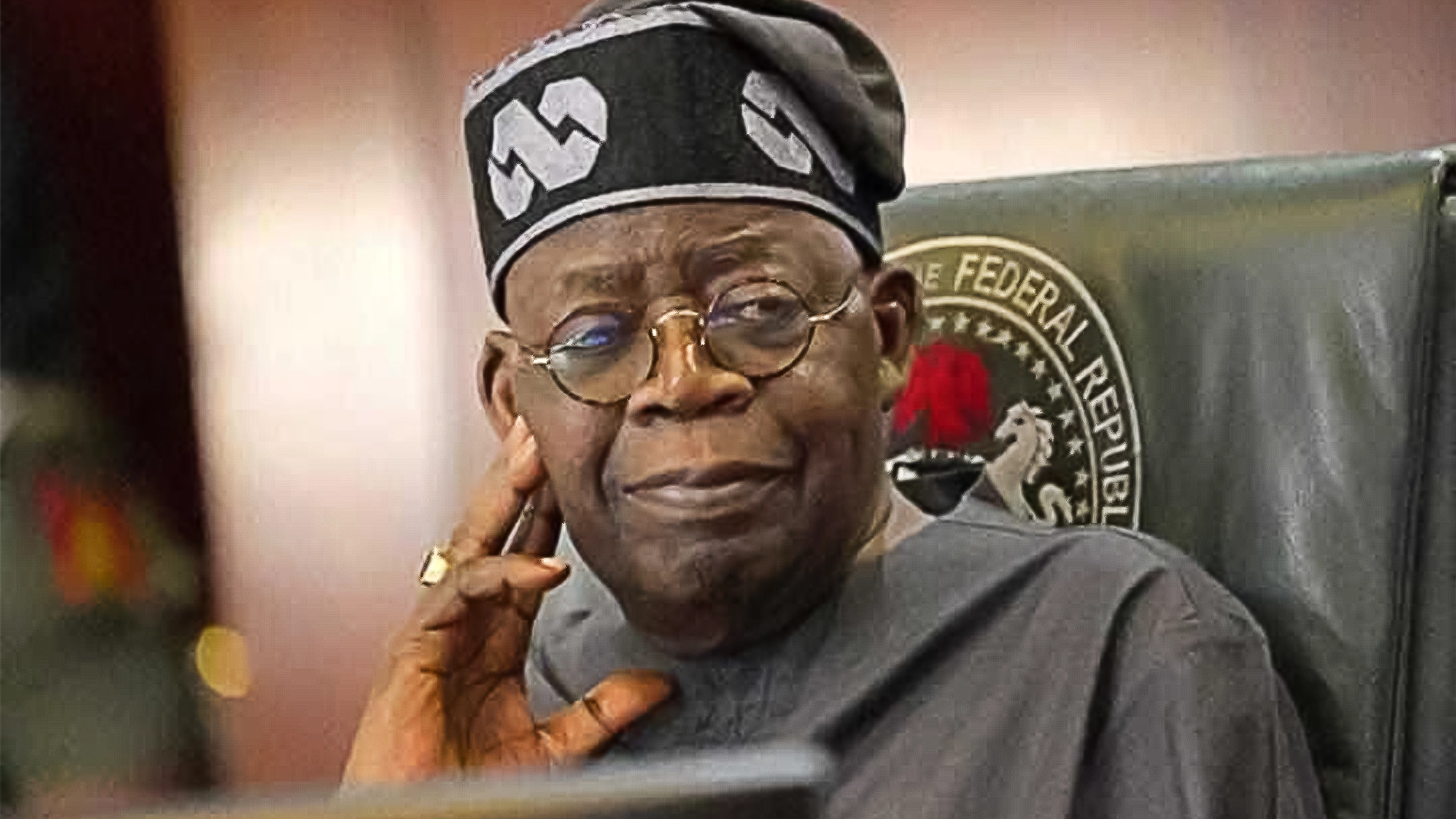
Nigeria has survived numerous challenges, including military coups, a civil war, and economic crises, but the country still faces significant development hurdles. Sixty-six years after gaining independence, Nigerians are questioning whether their resilience can be translated into tangible improvements in daily life. President Bola Tinubu, in his October 1 Independence Day address, acknowledged the country's difficult journey but expressed optimism about the future, citing his administration's efforts to drive reform and prosperity.
Development experts, scholars, and political actors are urging the government to prioritize development planning, citing inadequate planning and implementation as major obstacles to progress. Dr. Otive Igbuzor, Founding Executive Director of the African Centre for Leadership, Strategy and Development, argues that development is not on the agenda, and therefore, plans, policies, and budgets are not geared towards development. He advocates for comprehensive development plans in areas such as housing, water, education, healthcare, and transportation.
Igbuzor cites Abuja's housing challenge as an example of inadequate planning and implementation, suggesting that the government could allocate a small percentage of its budget to address the issue. He also emphasizes the need for citizens to pay closer attention to government budgets and participate more actively in politics. The first major expectation of independence was that political freedom would be accompanied by material improvement, but six decades later, poverty, unemployment, and inflation remain central public concerns.
According to the National Bureau of Statistics' 2022 Multidimensional Poverty Index, 133 million Nigerians, or 63% of the population, are multidimensionally poor. The survey was conducted in 2021 and early 2022, and while it does not provide a direct measurement of conditions in 2026, it highlights the scale of the structural challenge facing the country. The question now is whether economic growth and reform can produce measurable improvements in household incomes, food security, jobs, housing, electricity, education, and healthcare.
President Tinubu's Independence Day address presented the government's answer in terms of production and cost reduction, citing efforts to expand mechanized irrigation and dry-season farming, improve access to inputs, and invest in infrastructure. He also noted that salaries and pensions had been paid on time and in full since 2023. However, whether these measures produce the promised outcomes remains a question of implementation, scale, and time.
Security presents another unresolved expectation, with Nigeria continuing to contend with insurgency, banditry, kidnapping, communal violence, and separatist agitation. The debate over state police illustrates the institutional dimension of the problem, with questions about funding, accountability, political control, and coordination between federal and state security institutions. Experts argue that security responsibilities should be organized to provide effective protection to citizens while safeguarding against abuse.
Scholars and experts are calling for comprehensive restructuring to address Nigeria's development challenges, including decentralization, a more responsive security architecture, and a tax system capable of generating resources for public services. They argue that when responsibilities and resources are located closer to citizens, governments can be more directly measured against local needs, and that mismanagement of natural and human resources is a major inhibition to achieving development.
Key points
- Nigeria's 66th anniversary of independence highlights the need for a shift from political survival to nation-building and prosperity.
- Experts emphasize the importance of development planning, citizen participation, and comprehensive restructuring to address the country's development challenges.
- The government faces significant hurdles in addressing poverty, unemployment, and insecurity, and must prioritize implementation, scale, and time to produce measurable improvements in household incomes and public services.