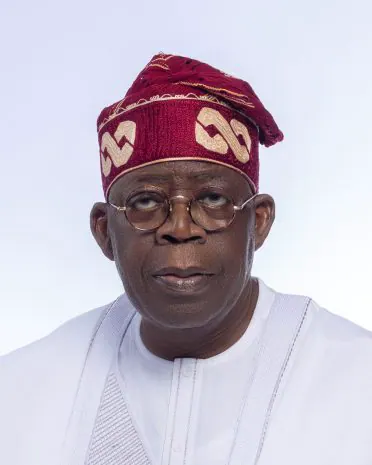
Nigeria celebrated its 66th Independence Anniversary last Thursday, October 1, 2026, with minimal fanfare across the country. The occasion was marked by President Bola Ahmed Tinubu's traditional Independence Anniversary speech, which was widely broadcast by major television and radio stations and covered by the print media. Several civil society organisations and political groups, including the African Democratic Congress (ADC) and National Democratic Congress (NDC), also issued statements.
The Centre for Anti-Corruption and Open Leadership (CACOL), a civil society organisation, congratulated Nigerians on the anniversary, honouring the courage and sacrifices of those who fought for Nigeria's independence. However, CACOL's Chairman, Debo Adeniran, expressed concerns about the state of the nation, citing the persistence of poverty, unemployment, insecurity, and inadequate healthcare. He noted that independence should be measured by citizens' enjoyment of freedom, dignity, security, and economic opportunities.
CACOL lamented that six and a half decades after independence, millions of Nigerians continue to face abject poverty, unemployment, and insecurity. The organisation attributed these challenges to corruption, which it said has remained a major obstacle to Nigeria's development. According to CACOL, resources meant for essential public services are often lost to corruption, mismanagement, and weak accountability mechanisms.
The organisation called for greater transparency in public expenditure, stronger institutions, and effective prosecution of corruption cases. CACOL also urged the government to recover stolen public assets and enforce anti-corruption laws, regardless of the status or political affiliation of those involved. Furthermore, CACOL expressed concern about the brain drain crisis, as talented Nigerians seek better opportunities abroad due to the difficult economic environment.
CACOL noted that the emigration of skilled Nigerians can create significant capacity gaps at home and urged the government to create conditions that make Nigeria attractive to its citizens. This, the organisation said, requires decent employment opportunities, competitive remuneration, reliable infrastructure, and support for innovation and entrepreneurship. CACOL also expressed concern about the country's growing debt burden and the implications of continued borrowing for present and future generations.
The organisation urged the government to exercise greater prudence in borrowing and ensure that borrowed funds are transparently accounted for and directed towards projects with measurable developmental and economic benefits. CACOL also recommended several measures to alleviate Nigerians' suffering, including strengthening the fight against corruption, reducing the cost of food and essential commodities, and expanding affordable housing programmes.
Additionally, CACOL called on the government to make healthcare more affordable and accessible, particularly for low-income and vulnerable Nigerians. The organisation also urged the creation of sustainable employment opportunities, investment in education and skills development, and decisive action to address insecurity. By taking these steps, CACOL believes that the government can improve the welfare of citizens and make Nigeria a more attractive place to live and work.
Key points
- Corruption remains a major obstacle to Nigeria's development.
- The country's growing debt burden poses significant risks to its economic stability.
- The brain drain crisis is a major challenge that requires urgent attention from the government.